
Pruning
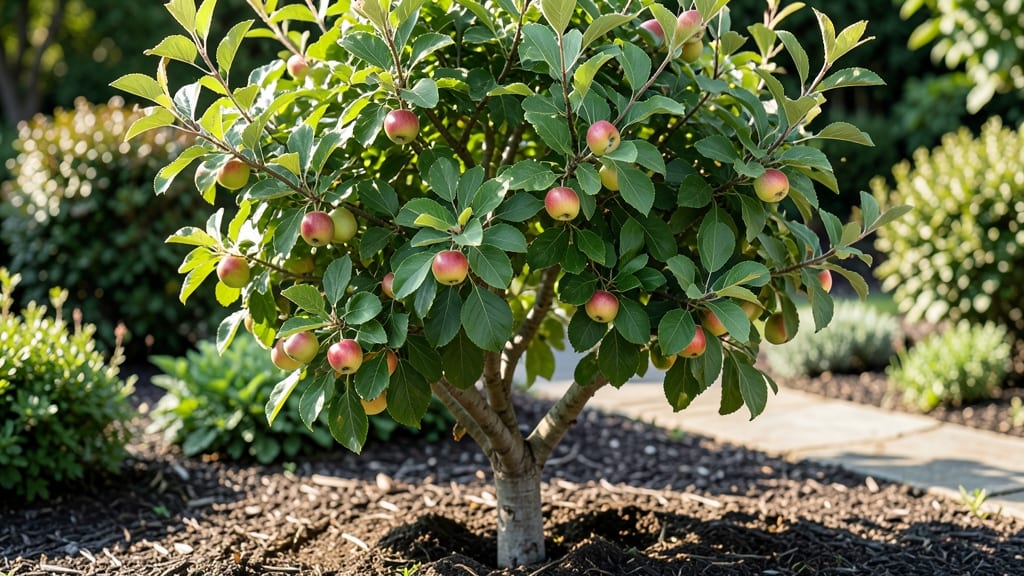
Summer pruning your crabapple tree isn’t just about cutting branches—it’s about reviving next year’s blooms while keeping your tree healthy. 🌿 I’ve learned the hard way that skipping this step means fewer flowers in spring, and that’s the last thing you want after months of waiting for those delicate blossoms.
The right cuts now determine whether your tree puts energy into vibrant blooms or just more foliage.
You only need three types of cuts: thinning cuts to improve airflow, heading cuts to encourage bushier growth, and removal cuts to take out dead or crossing branches.
Grab your pruners, a clean bucket for clippings, and about 30 minutes—that’s all the time you’ll need for a small to medium-sized tree. The key is timing: prune after the main spring bloom but before summer heat sets in, usually in late May or early June in most zones.
What you’ll end up with is a tree that looks neater and stronger, with better airflow to prevent diseases like apple scab. Those three cuts also set the stage for more abundant blooms next spring, which means more pollinators and a showier landscape.
Plus, you’ll avoid the heartbreak of a tree that looks half-dead when it’s just been neglected.
This method works for any crabapple variety, whether you’re growing it for its fragrant flowers, striking foliage, or edible (though tart) fruit. Just remember: less is more—over-pruning stresses the tree.
If you’re unsure where to cut, focus on branches that are thicker than a pencil and at least a third of the size of the main trunk.
📚 In This Guide
- What you need
- Instructions
- Tips and common mistakes
- Wrapping up and next steps
What you need
- ● Pruning shears: Bypass pruners (sharp, 6–8" blades) for small branches (≤1")—1 pair.
- ● Loppers: Bypass or anvil loppers (8–10" blades) for medium branches (1–2")—1 pair.
- ● Pruning saw: Curved-tooth saw for thick branches (2–4")—1 saw.
- ● Gloves: Heavy-duty, cut-resistant gloves (size M/L)—1 pair.
- ● Disinfectant: 70% isopropyl alcohol or pruning sealant (for cuts >½")—small bottle.
- ● Ladder: Sturdy, extendable ladder (16–20 ft) if tree exceeds 8 ft tall—1.
- ● Safety gear: Safety glasses + ear protection (if using a chainsaw for very thick branches).
- ● Branch bag: Mesh bag (10–15 ft long) to collect debris—1.
- ● Tree wound dressing: Pruning paste (for large cuts)—small tub.
- ● Marking twine: Colored twine to tag branches for removal—1 roll.
- ● Work boots: Waterproof, ankle-support boots for uneven ground.
Step-by-step guide to summer pruning for crabapple trees
Revitalize your crabapple tree's blooms with these precision cuts—timed perfectly for summer's growth surge.
✂️ Step 1: Remove Dead or Diseased Branches First
Start by scanning your tree for any branches that are brown, brittle, or showing signs of fungal infection like black spots or oozing sap. These are your top priority—they're not just unsightly, they're energy drains on an otherwise healthy tree. Use sharp bypass pruners to make clean cuts just outside the branch collar, where the branch meets the trunk. You'll feel the branch give way with a slight resistance—this is your signal you've cut in the right spot.
Real talk: If you see a branch with holes or sawdust-like frass, that's likely carpenterworm damage. These branches need to go immediately. Cut back to the first healthy bud below the damage. I always sterilize my pruners between cuts with rubbing alcohol to prevent spreading any potential pathogens. This step alone can transform a struggling tree into one that's ready to bounce back with vibrant new growth.
✂️ Step 2: Thin Out Crossing or Rubbing Branches
Next, look for branches that cross each other or rub against one another. These create wounds that invite disease and weaken the tree's structure. Focus on removing the smaller of the two branches when they cross, cutting back to a lateral bud that's growing outward from the tree. You're aiming for an open canopy that allows sunlight and air to circulate freely through the tree's interior.
Here's the thing—you might find branches that aren't quite crossing yet but are growing in the same direction. These are called "water sprouts" or "suckers." They're like the tree's way of trying to grow extra limbs, but they're usually weak and don't contribute to the tree's overall health. Snip these at their base. You'll notice the tree's framework becomes much clearer once you've removed these competitive growths. This is when your tree starts looking like it has purposeful structure rather than random limbs.
✂️ Step 3: Prune to Encourage Next Year's Blooms
For crabapple trees, summer pruning is all about shaping for future flowering. Focus on cutting back some of the current season's growth by about one-third. Look for branches that are growing too vigorously—these are often the ones that will produce fewer blooms next spring. Make your cuts just above an outward-facing bud. This encourages the tree to develop more lateral branches, which is where those beautiful spring blossoms will appear.
Pay special attention to any branches that are growing inward. These can create a dense center that blocks light and air. By thinning these out, you're not just improving the tree's appearance—you're setting it up for a spectacular display of blooms next year. I like to step back every few cuts to visualize the tree's shape. You want a balanced silhouette that lets you see light filtering through the branches. This is the moment that matters: when your cuts create space for new, healthy growth that will reward you with abundant flowers.
⏰ Step 4: Time Your Final Cuts for Late Summer
While you can do light pruning throughout summer, the best time for more extensive work is late August to early September. This gives your tree enough time to heal before winter sets in. Avoid heavy pruning after early September, as new growth won't have time to harden off before cold weather. You'll know you've timed it right when you see fresh green growth starting to slow down and prepare for dormancy.
After your final cuts, give the tree a deep watering to help it recover. The roots will need to support all that new growth you've encouraged. I always add a 2-3 inch layer of mulch around the base, keeping it clear of the trunk. This helps retain moisture and regulates soil temperature. Your tree will thank you next spring with a canopy of blossoms that make all the summer work worthwhile. Don't skip this final step—it's what bridges your summer pruning to next year's spectacular display.
Tips & tricks for perfect crabapple tree summer pruning
Transforming your crabapple tree into a blooming powerhouse starts with these precision-focused tips that go beyond the basics.
Precision Cutting Technique: When making cuts in Step 1, angle your pruners slightly downward to avoid tearing the bark. This creates a smoother wound that heals faster. I've found that using a sharp bypass pruner makes all the difference—dull tools crush the bark instead of making clean cuts. For larger branches, consider using a pruning saw to avoid tearing. The goal is to minimize stress on the tree while removing exactly what it doesn't need.
Visualizing the Canopy: Before making any cuts in Step 2, step back and visualize your tree's ideal shape. Imagine sunlight filtering through evenly—this is your target. Look for branches that create "dead zones" where light can't penetrate. These are prime candidates for removal. I like to sketch a rough outline of my vision first; it helps me stay focused on the overall structure rather than getting bogged down in individual branches.
Seasonal Timing Insight: The late August to early September window mentioned in Step 4 is critical because it allows your tree to complete its growth cycle before winter dormancy. You'll notice new growth starting to slow down around this time—this is your cue that the tree is preparing to rest. If you prune too late, the fresh cuts won't have time to callus over before cold weather, leaving them vulnerable to disease. Think of it as giving your tree a chance to "button up" for winter.
Post-Pruning Recovery: After completing all your cuts, don't just walk away. The deep watering and 2-3 inch mulch layer in Step 4 are essential for recovery. I've seen trees that received proper post-pruning care bounce back with spectacular new growth, while others that were neglected struggled to recover. The mulch should be kept clear of the trunk to prevent rot, but spread it generously around the drip line. This creates an ideal microclimate for root development during the critical fall months.
Pro Tips for Crabapple Tree Summer
- Transforming your crabapple tree into a blooming powerhouse starts with these precision-focused tips that go beyond t...
- Precision Cutting Technique: When making cuts in Step 1, angle your pruners slightly downward to avoid tearing the ba...
- Visualizing the Canopy: Before making any cuts in Step 2, step back and visualize your tree's ideal shape. Imagine su...
Frequently asked questions
When is the best time to prune a crabapple tree in summer?
The ideal window is late spring to early summer (after blooming, before July), when the tree has finished flowering but before new growth hardens. Avoid pruning during extreme heat or drought—aim for mornings or cloudy days to reduce stress. Light pruning can occur anytime summer, but major cuts wait for cooler weather.
Can I prune a crabapple tree too much in summer?
Yes! Over-pruning in summer—removing more than 25% of the canopy—can stress the tree, inviting pests or disease. Focus on selective cuts (deadwood, crossing branches) and avoid heavy thinning. If you’re unsure, prune in stages over 2–3 years. Pro tip: Leave at least ⅓ of the foliage to maintain energy for recovery.
Why do my crabapple tree leaves look yellow after summer pruning?
Yellowing leaves can signal nutrient deficiency (common post-pruning) or fungal stress (like powdery mildew). To help:
- Apply a balanced fertilizer (10-10-10) in early fall.
- Water deeply 1–2x/week (1 inch total) to encourage root growth.
- Remove all fallen leaves and prune infected branches 6 inches below yellowed areas.
Are there summer-pruning alternatives for small crabapple trees?
If your tree is under 10 feet, try light maintenance pruning instead:
- Deadwood removal: Cut branches with dry, cracked bark or hollow centers.
- Thinning: Remove 1–2 branches per year to improve airflow (focus on water sprouts or suckers).
- Shape gently: Use hand pruners to lift the canopy for sunlight access.
Will summer pruning affect next year’s crabapple blooms?
Not if done correctly! Pruning after flowering (June–July) ensures 90%+ of next year’s blooms remain intact. Key rule: Never cut flower buds (they form on old wood in late summer/fall). For heavy bloomers, limit pruning to 10–15% of the tree to preserve energy for flowers.
Wrapping up and next steps
Your crabapple tree is ready to shine brighter than ever!
By mastering the three key summer pruning cuts—thinning, heading back, and deadwood removal—you’ve set the stage for vibrant blooms and a healthier canopy next season. 🌸 With the right tools, timing, and technique, even a beginner can transform their tree into a summer showstopper.
Now’s the perfect time to put your new skills into action. Grab your pruners, schedule a sunny afternoon, and give your crabapple tree the care it deserves. Happy pruning—and enjoy the fruits of your labor when those blossoms burst back to life! 🌿✨