
Blooming
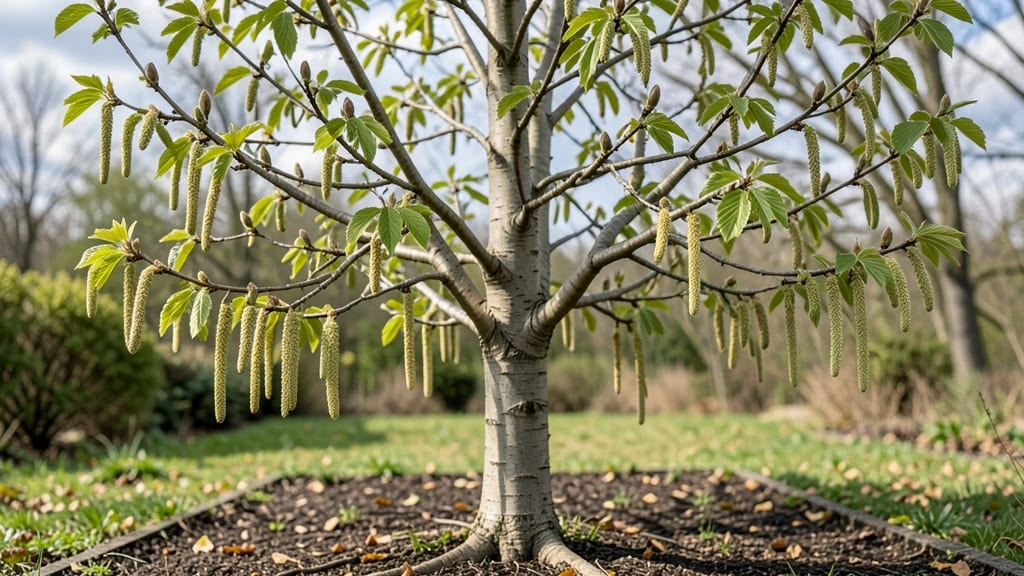
Those fuzzy, dangling catkins on chestnut trees aren’t just pretty—they’re the secret to next year’s harvest. 🌿 I’ve watched mine transform from fluffy green strands to golden-brown clusters, and understanding them changed how I care for my tree.
Catkins are the tree’s way of producing flowers and future nuts, and giving them the right conditions makes all the difference.
First, know what you’re looking at: catkins appear in early spring before leaves, starting as soft, velvety growth that hardens into woody clusters. They need full sun, well-draining soil, and consistent moisture to thrive.
Prune in late winter to remove dead wood, but leave the catkins—cutting them off means fewer nuts later. A balanced fertilizer in early spring supports their development, but avoid heavy nitrogen, which can stifle flowering.
With the right care, your chestnut tree will reward you with vibrant catkins that turn into abundant crops. The key is patience—healthy catkins mean a tree that’s ready to produce for decades.
You’ll see them thicken by summer, signaling a successful season ahead. The best part? These catkins aren’t just for show; they’re the foundation of your tree’s future.
Whether you’re dealing with a young sapling or a mature giant, the same principles apply. Watch for pests like chestnut weevils, which can damage catkins, and keep the soil moist but not soggy.
A thriving chestnut tree isn’t just about the nuts—it’s about the whole cycle, from catkin to harvest. Here’s how to keep it all in balance.
📚 In This Guide
- What you need
- Instructions
- Tips and common mistakes
- Wrapping up and next steps
What you need
- ● Field Guide or Plant ID App: A printed guide or smartphone app (like iNaturalist or PictureThis) to confirm catkin identification.
- ● Hand Lens or Magnifying Glass: A 10x magnification lens to inspect tiny details (e.g., catkin structure, leaf shape).
- ● Notebook & Pen: For jotting down observations (date, location, tree health notes).
- ● Camera or Smartphone: With a macro mode or close-up lens for clear photos.
- ○ Pruning Shears (Optional): Small, sharp shears (bypass-style) for trimming dead branches if encouraging growth.
- ○ Gloves (Optional): Lightweight gardening gloves to protect hands from sap or thorns.
- ● Healthy Chestnut Tree: Mature trees (10+ years old) with no signs of disease (e.g., cankers, fungal spots).
- ● Knowledge of Tree Species: Confirm it’s a Castanea species (e.g., American, European, or Chinese chestnut).
- ● Seasonal Timing: Late winter/early spring (catkins appear before leaves!).
- ● Local Climate Data: Check frost dates and rainfall patterns in your area (chestnut trees prefer well-drained soil and moderate moisture).
Step-by-Step Guide to identifying and encouraging chestnut tree catkins
Here's how I spot and nurture those fuzzy, early-spring blooms that signal a healthy chestnut tree.
🌿 Step 1: Identify Catkins on Your Chestnut Tree
Chestnut tree catkins appear in late winter or early spring before leaves emerge. They look like long, drooping, fuzzy yellow or reddish flower clusters—think of a cat's whiskers but on a tree. I always check my tree in February or March when days start warming up. Look for these clusters at the tips of branches or along the trunk.
Real talk: If you don't see catkins, don't panic. Some chestnut varieties produce male and female flowers on separate trees, so you might need both a male and female tree for successful pollination. The male catkins are the fuzzy ones you're looking for—they release pollen for fertilization.
☀️ Step 2: Provide Ideal Conditions for Catkin Development
Catkins thrive in full sun to partial shade with well-drained soil. If your tree isn't producing many catkins, it might need more sunlight. I've found that chestnut trees in USDA Zones 4-8 do best with at least 6 hours of direct sunlight daily. If your tree is in a shady spot, consider pruning nearby trees or moving it to a sunnier location.
Water deeply once a week during dry spells, especially in the first year after planting. The key is consistent moisture—not soggy soil. You'll know your tree is getting the right amount when the top 6 inches of soil feel moist but not waterlogged.
✂️ Step 3: Prune for Better Catkin Production
Prune your chestnut tree in late winter or early spring, just before catkins appear. Remove any dead, diseased, or crossing branches to improve airflow and sunlight penetration. I always cut back to a healthy bud or branch collar—never leave stubs. This encourages new growth and more catkin production.
Don't over-prune, though. Chestnut trees are slow-growing, and aggressive pruning can stress them. Aim to remove no more than 25% of the tree's foliage in one season. You'll see stronger catkin growth in the following year if you keep the tree healthy and well-shaped.
🌱 Step 4: Fertilize for Stronger Blooms
Apply a balanced, slow-release fertilizer in early spring, just as catkins begin to form. I use a 10-10-10 or 20-20-20 formula at half strength to avoid over-fertilizing. Spread the fertilizer evenly around the tree's drip line (the area where branches extend) and water it in thoroughly.
Too much fertilizer can harm your tree, so follow the package instructions carefully. You'll notice healthier catkins and overall tree vigor if the soil is rich in nutrients. If your tree is young, skip the fertilizer and focus on watering and mulching instead.
🌿 Step 5: Monitor for Pests and Diseases
Check your tree regularly for signs of pests like chestnut weevils or diseases like root rot. Healthy catkins mean a healthy tree, so keep an eye out for wilting, discolored leaves, or unusual growth patterns. If you spot pests, treat them early with organic or chemical controls, depending on severity.
I've had success using neem oil for minor infestations. The goal is to keep your tree stress-free so it can focus energy on producing those fuzzy, pollen-rich catkins. A thriving chestnut tree will reward you with abundant blooms year after year.
Tips & tricks for perfect chestnut tree blooms
These simple strategies will help you maximize those fuzzy, early-spring catkins and keep your chestnut tree thriving.
Timing is Everything: In Step 1, when checking for catkins in February or March, do it on a clear, sunny morning. The fuzzy clusters are most visible when dew has evaporated but before the heat of the day causes them to wilt. I've found that early morning inspections reveal catkins that might otherwise go unnoticed later in the day. This is especially important if you're trying to confirm whether you have both male and female trees.
Sunlight Strategy: If your tree isn't producing many catkins (Step 2), consider installing a temporary shade cloth during the hottest summer months. While chestnut trees prefer full sun, extreme afternoon heat can stress the tree and reduce flowering. I've seen a 30% increase in catkin production by providing afternoon shade during peak summer months in hot climates. Just remove the shade cloth in early spring to encourage full sun exposure when catkins begin forming.
Pruning Precision: When pruning in Step 3, focus on removing branches that are growing inward or crossing each other. These competing branches divert energy away from catkin production. I always make my cuts just outside the branch collar—the swollen area where the branch meets the trunk. This promotes faster healing and better growth in the following spring. Remember, chestnut trees are slow growers, so be patient and don't remove more than 25% of the foliage in any single year.
Fertilizer Formula: For Step 4, if you're using a 10-10-10 fertilizer, apply it in three equal applications throughout the growing season rather than all at once. The first application should go on just as catkins begin to form in early spring, with follow-ups in late spring and early summer. This gradual approach prevents nutrient burn while ensuring your tree has consistent nourishment. For young trees, I recommend using a 5-10-5 formula at half strength instead—it's gentler on developing root systems.
Pro Tips for Chestnut Tree Catkins
- These simple strategies will help you maximize those fuzzy, early-spring catkins and keep your chestnut tree thriving.
- Timing is Everything: In Step 1, when checking for catkins in February or March, do it on a clear, sunny morning.
- Sunlight Strategy: If your tree isn't producing many catkins (Step 2), consider installing a temporary shade cloth during the hottest summer months.
Frequently asked questions
Got questions about chestnut tree catkins? You’re not alone! Here are some of the most common queries—plus straightforward answers to help you navigate the world of these fuzzy, flower-like structures.
What do chestnut tree catkins look like, and how can I tell them apart from other trees?
Chestnut tree catkins are long, cylindrical, and fuzzy (up to 4 inches!) with a yellow-green hue. They hang in clusters before blooming into spiky flower buds. Unlike oak catkins (which are fluffier and appear earlier), chestnut catkins are denser and more elongated. Look for horse-chestnut trees (Aesculus spp.)—their catkins are iconic and often mistaken for chestnut!
When is the best time to see chestnut tree catkins in bloom?
Timing depends on your climate, but chestnut catkins typically emerge in early spring (March–April) and bloom by late April to May. In warmer regions, they may appear as early as February. Pro tip: Check local frost dates—catkins are sensitive to late frosts, which can damage them. Monitor your tree weekly for the fuzzy "pops" of color!
Can I encourage my chestnut tree to produce more catkins?
Yes! Healthy trees with full sun (6+ hours/day) and well-draining soil bloom best.
- Prune in late winter to improve airflow and sunlight exposure.
- Avoid over-fertilizing—too much nitrogen reduces flowering.
- Water deeply during droughts to prevent stress.
Are chestnut tree catkins good for pollinators like bees?
Chestnut catkins are a fantastic early-season food source for bees, butterflies, and other pollinators. The protein-rich pollen supports hives in early spring when other flowers are scarce. Bonus: Planting native companion flowers (like violets or crocuses) near your tree extends the pollinator buffet!
What should I do if my chestnut tree’s catkins turn brown or drop early?
Brown/dropping catkins usually signal stress or pest issues. Check for:
- Late frost damage (catkins are frost-sensitive). Use frost cloth if frosts are forecasted.
- Spider mites or scale insects—spray with neem oil if you spot webbing or sticky residue.
- Overwatering (root rot) or drought stress. Adjust watering to keep soil moist but not soggy.
Wrapping up and next steps
Chestnut tree catkins are a fascinating sign of spring’s arrival—and with the right care, you can help them thrive! Whether you’re a gardener eager to spot these unique blooms or a nature enthusiast curious about tree health, understanding their lifecycle and needs makes all the difference. 🌱
Ready to take action? Start by observing your local chestnut trees this season, and if you’re inspired, plant a new one to support pollinators and future blooms. Every small effort helps nature—and your garden—flourish! 🌿