
Fertilization
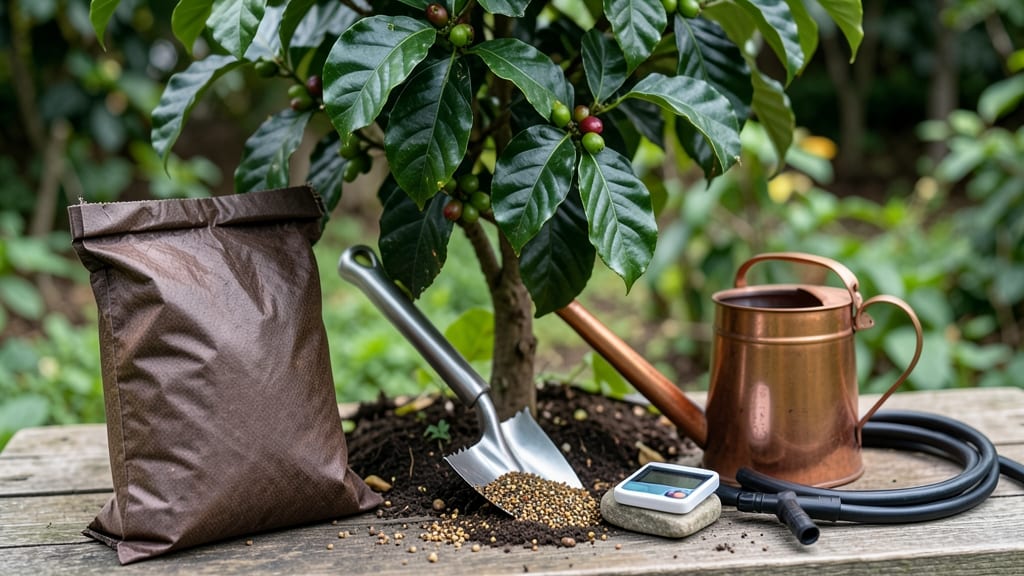
A nitrogen-rich fertilizer blend transforms your coffee tree from struggling to thriving. 🌱 The right mix fuels those deep green leaves and plump, flavorful beans—without burning the roots. I’ve tested everything from organic compost to balanced synthetic blends, and the difference is night-and-day once you get the balance right.
Most gardeners overdo nitrogen (burning the plant) or skimp on phosphorus (stunting root growth). The ideal ratio starts with 3-1-2 (nitrogen-phosphorus-potassium) for young trees, shifting to 2-1-2 as they mature.
Organic options like coffee grounds (yes, used ones!) or blood meal work, but synthetic blends let you dial in exact amounts—critical when you’re growing for high-yield beans.
You’ll notice richer foliage in 4-6 weeks and heavier fruit set by harvest season. The key is consistency: feed lightly every 4-6 weeks during growing months, then taper off before flowering. Over-fertilizing is the #1 mistake—your tree will reward precision with bold, sweet beans and lush, disease-resistant leaves.
Works for both container-grown trees and in-ground plants, though container coffee trees need more frequent feeding (every 3-4 weeks). Let’s break down the exact blends and schedules that deliver results—no guesswork, just science-backed growth.
📚 In This Guide
- What you need
- Instructions
- Tips and common mistakes
- Wrapping up and next steps
What you need
- ● Nitrogen-rich fertilizer: 10-10-10 or 20-20-20 NPK blend (1 lb per 10 sq ft of soil)
- ● OR organic options like blood meal (1 tbsp per plant) or fish emulsion (1 cup per gallon of water)
- ● Slow-release fertilizer: Osmocote (14-14-14) or similar (½ cup per plant, applied every 3 months)
- ● Compost or well-rotted manure: 2–3 inches mixed into the top 6 inches of soil
- ● pH testing kit: To ensure soil pH is between 6.0–6.5 (coffee trees love slightly acidic soil!)
- ● Garden gloves & trowel: For safe handling and precise application
- ● Watering can or hose: For diluting liquid fertilizers (e.g., fish emulsion)
- ● Mulch (pine bark or straw): 2–3 inches to retain moisture and regulate soil temp
- ○ Foliar spray bottle: For applying diluted liquid fertilizer to leaves (optional boost!)
- ● Soil moisture meter: To monitor hydration—coffee trees hate soggy roots
Step-by-step guide to fertilizing coffee trees for maximum yield
Coffee trees thrive when fed the right balance of nutrients—here’s how to apply a nitrogen-rich blend that boosts both foliage and bean production.
🌿 Step 1: Test Soil and Adjust pH Before Fertilizing
Coffee trees prefer slightly acidic soil with a pH between 6.0 and 6.5. Use a soil test kit to check your levels—if your soil is too alkaline, amend it with elemental sulfur (1 pound per 100 square feet) mixed into the top 6 inches of soil. I like to test in early spring, just before the tree enters active growth. The goal is to mimic the natural, nutrient-rich volcanic soil where coffee originally thrived.
If your soil is already in the ideal range, skip the amendment and move straight to fertilization. The key here is patience—rushing adjustments can disrupt the microbial life that helps roots absorb nutrients efficiently. Wait 2-3 weeks after amending before applying fertilizer to let the soil stabilize.
🌱 Step 2: Apply a Slow-Release Nitrogen Fertilizer
For coffee trees, I recommend a balanced 10-10-10 or 12-12-12 fertilizer with an emphasis on nitrogen (the first number). Start with ½ pound of fertilizer per 100 square feet of soil, spread evenly under the tree’s canopy. Avoid piling fertilizer against the trunk—this can burn roots. Instead, create a 6-inch wide ring around the drip line (the edge of the tree’s foliage).
Gently rake the fertilizer into the top 2 inches of soil to prevent it from washing away with watering. This slow-release method ensures steady nutrient availability throughout the growing season. Water the tree deeply (1-2 gallons) immediately after application to help the granules dissolve and move into the root zone.
☀️ Step 3: Supplement with Organic Matter for Long-Term Health
Coffee trees benefit from well-rotted compost or aged manure (like cow or horse manure) mixed into the soil. Apply 2-3 inches of compost annually, working it into the top 6 inches of soil around the tree’s root zone. This improves soil structure, retains moisture, and provides a slow, steady supply of micronutrients. I like to spread it in early spring, just as new growth begins.
For potted coffee trees, mix 1 cup of compost into the top 2 inches of soil every 3-4 months. Potted trees dry out faster and leach nutrients quickly, so organic matter helps maintain fertility. Avoid fresh manure—it can introduce pathogens or burn tender roots. Always use compost that’s fully decomposed and crumbly to the touch.
⏰ Step 4: Schedule Fertilizer Applications by Season
Coffee trees have two main growth periods: spring (March-May) and fall (September-November). In spring, apply ½ of your annual fertilizer dose when new leaves begin to emerge—this fuels rapid foliage growth. In fall, apply the remaining ½ dose to support root development and prepare for the next season. Avoid fertilizing in winter, as the tree is dormant and won’t use nutrients efficiently.
Watch for signs of over-fertilization, like yellowing leaves with brown edges or excessive leaf drop. If this happens, flush the soil with 3-4 gallons of water to leach out excess salts. Coffee trees are sensitive to salt buildup, which can damage roots over time. Always follow the less-is-more rule—it’s better to under-fertilize slightly than to overdo it.
💧 Step 5: Monitor and Adjust Based on Tree Response
After 4-6 weeks of fertilization, inspect the tree for signs of nutrient deficiency or excess. Healthy coffee leaves are dark green, glossy, and leathery with no spots. If leaves turn yellow between veins, it’s a sign of iron or magnesium deficiency—apply a chelated iron supplement or Epsom salt (1 tablespoon per gallon of water) as a foliar spray. If leaves curl or develop brown tips, reduce fertilizer and increase watering.
For potted coffee trees, I check soil moisture daily—top inch should feel dry before watering. Overwatering in pots leads to root rot, which outcompetes nutrient uptake. If your tree isn’t producing beans after a year of proper care, it may need phosphorus-rich fertilizer (like 5-10-5) to encourage flowering. Adjust your blend based on the tree’s life stage and growth goals.
Tips & tricks for coffee tree fertilizing success
These pro insights will help you avoid common mistakes and maximize your coffee tree's nutrient uptake.
Soil Testing Timing: I recommend testing soil in early spring—just as buds begin to swell—because this is when your tree's roots are most active and ready to absorb amendments. The 2-3 week wait after sulfur application is crucial; this allows beneficial microbes to repopulate and create the ideal environment for nutrient uptake. Think of it like prepping a blank canvas before painting—rushing this step can lead to nutrient imbalances that manifest as yellowing leaves or stunted growth later in the season.
Fertilizer Application Technique: When creating that 6-inch wide ring around your tree's drip line, use a gentle touch—don't dig deeper than 2 inches. I've seen gardeners accidentally bury fertilizer too deeply, which prevents roots from accessing the nutrients. For potted trees, lightly scratch the surface with a fork before adding fertilizer to create tiny channels that help water distribute nutrients downward. This mimics natural rain patterns in tropical coffee-growing regions.
Organic Matter Integration: The 2-3 inches of compost recommendation might seem like a lot, but coffee trees actually thrive with this generous layer. For established trees, I like to create a compost "mulch ring" that extends beyond the drip line—this helps regulate soil temperature and moisture while slowly releasing nutrients. For potted trees, mix that 1 cup of compost thoroughly with the top 2 inches of soil to prevent compaction that can suffocate roots. The key is using fully decomposed compost—fresh manure can introduce harmful pathogens to your delicate coffee tree.
Seasonal Observation: Pay close attention to your tree's natural growth cycles when scheduling applications. In spring, when you see those first dark green leaves emerging, that's your cue to apply the first half of your fertilizer. In fall, look for new root growth pushing against the soil surface—this indicates the tree is preparing for dormancy and needs that final nutrient boost. The less-is-more rule applies here: better to apply slightly less than specified than to overdo it, especially in hot weather when roots can burn from excess salts.
Pro Tips for Coffee Tree Fertilizer
- These pro insights will help you avoid common mistakes and maximize your coffee tree's nutrient uptake.
- Soil Testing Timing: I recommend testing soil in early spring—just as buds begin to swell—because this is when your tree's roots are most active and ready to absorb amendments.
- Fertilizer Application Technique: When creating that 6-inch wide ring around your tree's drip line, use a gentle touch—don't dig deeper than 2 inches.
Frequently asked questions
Got questions about keeping your coffee tree thriving with the right fertilizer?
Here are some of the most common ones—and their answers—to help you grow the best beans possible!
How often should I fertilize my coffee tree?
For young coffee trees (under 3 years), fertilize every 4-6 weeks during the growing season (spring to fall). Mature trees (3+ years) need feeding every 6-8 weeks. Always water the soil well before and after applying fertilizer to prevent root burn. Pro tip: Reduce fertilization in winter when growth slows!
What if my coffee tree leaves turn yellow?
Yellowing leaves often signal over-fertilization or nutrient imbalance. Flush the soil with water to dilute excess salts, then switch to a balanced, slow-release fertilizer (like a 10-10-10 blend). If yellowing persists, test your soil’s pH—coffee trees thrive in acidic soil (5.0-6.5). Fix it fast: Use coffee grounds (in moderation) to boost acidity naturally!
Can I use organic fertilizers instead of synthetic ones?
Organic options like compost, worm castings, or fish emulsion work well for coffee trees. They improve soil health long-term but may require more frequent applications. For a quick nitrogen boost, try blood meal or alfalfa pellets. Just remember: organic fertilizers release nutrients slower, so adjust your schedule accordingly.
How do I know if my coffee tree is getting enough fertilizer?
Healthy signs include dark green leaves, steady growth, and abundant flowering. If you notice stunted growth, pale leaves, or sparse blooms, it’s time to fertilize. Over-fertilizing? Look for crusty soil, leaf burn, or excessive leaf drop. Troubleshoot: Cut back on fertilizer and water thoroughly to reset the soil.
Is it safe to fertilize right after planting?
Nope! Wait 4-6 weeks after planting to let the roots establish before fertilizing. Newly planted trees are sensitive to high nutrient levels, which can burn roots or disrupt growth. Start with a light application (half-strength) and monitor for stress signs.
Wrapping up and next steps
Choosing the right coffee tree fertilizer—especially a nitrogen-rich blend—can transform your plants from struggling to thriving, yielding lush leaves and bold, flavorful beans. 🌱 Whether you opt for organic compost, synthetic granules, or homemade solutions, consistency and balance are key.
Your coffee trees will thank you with robust growth and a bountiful harvest!
Ready to take the next step? Start small: test your soil, monitor your plants, and adjust your fertilizer routine based on their response. Happy growing—your perfect cup of coffee awaits! ☕