
Trees
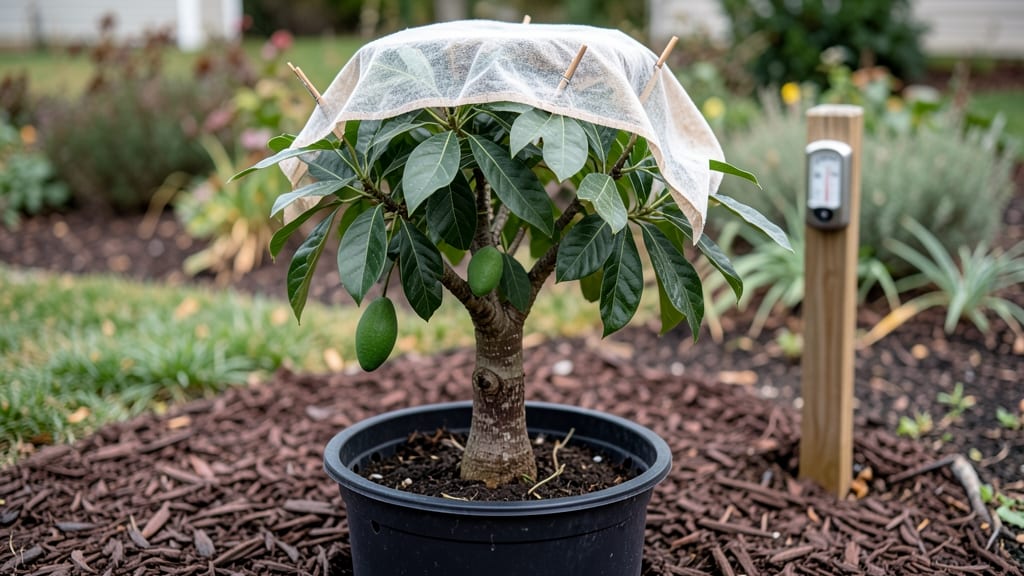
Cold hardy avocado trees can thrive in Zone 7 by selecting frost-resistant varieties like 'Mexicola' or 'Wurtz' and using microclimate strategies such as container growing, windbreaks, and mulching to protect roots from extreme cold below 20°F (-6.7°C).
Zone 7 winters can push temperatures below 20°F (-6.7°C), which is fatal for most avocado trees—but the right varieties and protective techniques make it possible. 🌱 The 'Mexicola' and 'Wurtz' cultivars have genetic adaptations that let them survive brief cold snaps, while container growing adds flexibility to move trees indoors during extreme freezes.
Mulching and windbreaks create a warmer microclimate around the roots, which is often the difference between survival and damage.
What sets these varieties apart isn't just their cold tolerance, but their ability to recover quickly from frost exposure. Many gardeners in Zone 7 report success by combining these strategies with drip irrigation in winter to prevent root desiccation—a common issue when trees are stressed by cold.
The key is balancing protection with enough sunlight exposure to maintain photosynthesis during the growing season.
💡 In This Article
- How to Choose Frost-Tolerant Avocado Tree Varieties for Zone 7
- Microclimate Strategies to Protect Avocado Trees in Zone 7 Winters
How to choose frost-tolerant avocado tree varieties for Zone 7
The secret to growing avocados in Zone 7 lies in their genetic resilience. Varieties like 'Mexicola' and 'Wurtz' have evolved in Mexico's highland regions where temperatures dip to 25°F (-4°C) for short periods.
Their thick, leathery leaves and compact growth habit reduce heat loss, while their root systems develop deeper to access warmer soil layers. 🌿 Unlike tropical varieties that bolt leaves at 32°F (0°C), these cultivars maintain foliage longer, allowing photosynthesis to continue through mild winters.
Hardiness ratings reveal the science behind their survival. 'Mexicola' can tolerate brief exposure to 20°F (-6.7°C), while 'Wurtz' handles 25°F (-4°C) better than standard varieties like 'Hass' (which dies at 30°F (-1°C)).
The difference comes from their slower metabolic rate—these trees prioritize root and trunk development over fruit production in cold climates, a strategy that keeps them alive until spring. Their smaller size (typically 15-20 feet) also makes them easier to protect with windbreaks or containers.
Seasonal performance matters just as much as cold tolerance. In Zone 7, these varieties produce fruit more reliably because they flower later in spring when frost risks have passed.
'Mexicola' bears fruit in 2-3 years from grafting, while 'Wurtz' may take 3-4 years—both faster than tropical avocados that often struggle to set fruit in cooler climates. The trade-off?
Their fruit is smaller (typically 6-8 ounces) but packed with flavor, making them ideal for home gardeners who prioritize survival over commercial yields.
What most gardeners overlook is how these varieties respond to temperature fluctuations. While they can handle brief cold snaps, prolonged exposure below 20°F (-6.7°C) will still damage leaves and fruit.
The key is their ability to recover—new leaves sprout quickly in spring, and the tree's energy shifts to regrowth rather than dying back. This resilience is why they're the gold standard for Zone 7 avocado growing, even when combined with protective strategies.
Consider these factors when selecting your variety:
- Rootstock choice: Grafting onto 'Mexicola' or 'Wurtz' rootstock adds another 5°F of cold tolerance to the scion.
- Growth rate: 'Mexicola' grows 12-18 inches per year, while 'Wurtz' is slower at 6-12 inches—faster growth means quicker protection needs.
- Fruit type: 'Mexicola' produces buttery, creamy fruit ideal for guacamole, while 'Wurtz' has a firmer texture better for slicing.
For best results, pair these varieties with 3-4 inches of organic mulch in late fall to insulate roots. The mulch creates a 5-10°F warmer soil environment, which is often the difference between survival and damage during Zone 7 winters. 🌡️