
Pruning
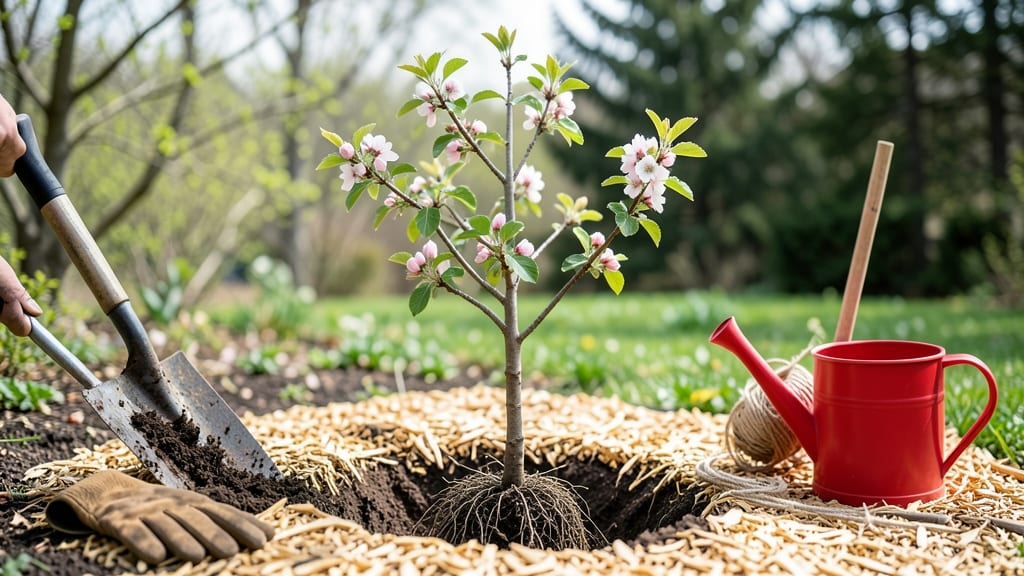
Planting a crab apple tree means four seasons of color—from spring blossoms to fiery fall foliage. 🌸 I’ve planted three varieties over the years, and the Malus ‘Adirondack’ still steals the show in my yard with its crimson-red fruit that birds adore. The key?
Choosing a cold-hardy variety suited to your zone and giving it the right start. These trees thrive in full sun with well-draining soil, but they’re surprisingly adaptable—even tolerating clay if you amend it well.
Dig a hole twice as wide as the root ball but only as deep, then loosen the roots before setting it in. The first year is all about establishing strong roots, so water deeply once a week (unless it rains) and mulch to keep moisture in.
By year three, you’ll see vibrant blooms in spring and clusters of fruit that persist into winter. The trees grow slowly but steadily, making them perfect for small yards or as specimen plants. My ‘Adirondack’ now stands taller than me, and the scent of its blossoms in April is unforgettable.
For container planting, stick to dwarf varieties like ‘Golden Hornet’ in a 20-gallon pot—just ensure it gets winter protection in colder zones. The real secret? Patience. These trees reward you with decades of beauty, starting with that first flush of pink and white flowers.
📚 In This Guide
- What you need
- Instructions
- Tips and common mistakes
- Wrapping up and next steps
What you need
- ● Crab apple tree sapling: Choose a cold-hardy variety (e.g., Malus 'Adirondack' or 'Sargent'). Opt for a 1- to 3-gallon container-grown or bare-root plant for best results.
- ● Shovel or trowel: A round-point shovel (for digging holes) or a hand trowel (for smaller plants).
- ● Compost or well-aged manure: 5–10 gallons to enrich the soil.
- ● Mulch: 2–3 inches of organic mulch (e.g., wood chips or straw) to retain moisture and suppress weeds.
- ● Watering can or hose with a gentle spray nozzle: For thorough hydration.
- ○ Stakes and garden twine (optional but recommended): If planting in windy areas, use 2–3 stakes per tree to provide support.
- ● Garden gloves: Protect your hands from thorns and rough soil.
- ● Pruning shears: For trimming dead or damaged branches post-planting.
- ● Soil pH tester: Ensures your soil is slightly acidic (pH 6.0–7.0, ideal for crab apples).
- ● Fertilizer (balanced 10-10-10 or slow-release): Apply sparingly (1 cup per tree) at planting time.
- ● Tree guard or protective barrier: Shields young trees from deer or pests.
Step-by-Step guide to planting cold-hardy crab apple trees
Here's how to plant these stunning trees for year-round interest and wildlife support.
🪴 Step 1: Choose the Perfect Planting Site and Time
Select a location with full sun to partial shade—at least 6 hours of direct sunlight daily. Crab apple trees thrive in well-draining soil but tolerate a range of conditions, including slightly acidic or alkaline soils. Avoid low spots where water pools after rain, as their roots dislike soggy conditions.
Plant in early spring or fall, giving roots time to establish before extreme temperatures. If planting in fall, do so at least 6 weeks before the first frost to allow root growth. I always check the local frost dates and mark my calendar—planting too late means winter stress before roots can anchor.
🌱 Step 2: Prepare the Planting Hole and Soil
Dig a hole twice as wide as the tree’s root ball but no deeper. This encourages roots to spread outward rather than settle at the bottom. Loosen the sides of the hole with a shovel to help roots penetrate the native soil more easily.
Amend the native soil with 2-3 inches of compost mixed into the bottom of the hole. Avoid heavy amendments like manure, which can burn young roots. Gently remove the tree from its container and loosen any circling roots with your fingers—this prevents girdling as the tree matures.
☀️ Step 3: Position and Backfill the Tree
Place the tree in the hole so the top of the root ball sits 2-3 inches above ground level. This prevents water from pooling at the base and causing rot. Fill the hole halfway with native soil, tamping down gently to remove air pockets. Add water to settle the soil around the roots.
Complete backfilling, creating a slightly raised berm around the edge to direct water away from the trunk. Mulch with 2-3 inches of wood chips, keeping it 6 inches away from the trunk to prevent moisture buildup. Water deeply until the soil is moist 12 inches down—you’ll know it’s right when water drains through the hole.
✂️ Step 4: Stake and Prune for Healthy Growth
Install two stakes on opposite sides of the tree, positioned just outside the root ball. Tie the tree to the stakes with soft tree ties (never wire or anything that can cut into the bark). This provides support for the first year but allows natural movement as the tree grows.
Prune only to remove broken or crossing branches, using clean, sharp pruners. Avoid heavy pruning—crab apple trees bloom on old wood, so cutting back now reduces next year’s flowers. I always make cuts just outside the branch collar for faster healing.
💧 Step 5: Water and Monitor for Establishment
Water deeply 2-3 times per week for the first month, then taper to once a week once roots are established. You’ll know the tree is settled when new leaves emerge in spring—this means roots have spread into the surrounding soil.
Check the mulch ring annually, replenishing to 2-3 inches in early spring. Avoid piling mulch against the trunk, as this traps moisture and invites disease. In year two, you can reduce watering to once every 10-14 days unless there’s prolonged drought.
Tips & tricks for planting cold-hardy crab apple trees
Took me a while to figure these out, so here goes—planting these beauties right means they'll thrive for decades.
Timing is Everything: If you plant in fall, mark your calendar for 6 weeks before the first frost—this gives roots time to establish before winter chill sets in. I learned this the hard way after losing two young trees to late planting. For spring planting, aim for early spring when soil is workable but not frozen. The 6 hours of sunlight requirement is non-negotiable for fruit production and winter hardiness.
Root Ball Prep: When loosening circling roots in Step 2, don't rush—spend 5-10 minutes carefully teasing them apart with your fingers. I use a butter knife to gently separate stubborn roots without damaging them. This prevents girdling, which can strangle the tree as it grows. If your tree comes in a container, soak it for 10-15 minutes before planting to hydrate the root ball.
Watering Wisdom: That 12-inch deep watering in Step 3 isn't just about surface moisture—it encourages roots to grow downward where they'll find stability. Use a soil probe or long screwdriver to check moisture depth after watering. In dry climates, consider installing a drip irrigation system right away to maintain consistent moisture without overwatering.
Staking Strategy: The two-stake method in Step 4 works best when stakes are positioned just outside the root ball, not buried against it. I use 2x2-inch wooden stakes driven at a 45-degree angle for maximum stability. Check ties every 2-3 months—they can tighten as the tree grows. Remove stakes in year two to encourage natural trunk strength.
Pro Tips for Crab Apple Tree Planting
- Took me a while to figure these out, so here goes—planting these beauties right means they'll thrive for decades.
- Timing is Everything: If you plant in fall, mark your calendar for 6 weeks before the first frost—this gives roots time to establish before winter chill sets in.
- Root Ball Prep: When loosening circling roots in Step 2, don't rush—spend 5-10 minutes carefully teasing them apart with your fingers.
Frequently asked questions
Got questions about planting crab apple trees? You’re not alone! Here are some of the most common concerns—and their answers—to help you get started with confidence.
When is the best time to plant a crab apple tree?
The ideal time is early spring or fall (4–6 weeks before the first frost). This gives roots time to establish before extreme temperatures. Avoid planting in summer heat or winter freezes, as stress can stunt growth. If you must plant in winter, use extra mulch for insulation!
How cold-hardy are crab apple trees, and do they survive winter?
Most crab apple varieties thrive in USDA Zones 3–8, making them perfect for snowy climates! Their thick bark and dormant buds protect them from frost. Just ensure they’re planted in well-draining soil to prevent root rot. Bonus: Their vibrant fall colors add winter interest even when bare!
Can I plant a crab apple tree near my house or fence?
Yes, but plan ahead! Crab apples grow 15–30 feet tall and spread 15–25 feet wide. Keep them 10+ feet from structures to avoid root damage or shading issues. If space is tight, choose dwarf varieties like ‘Dolgo’ (8–12 ft tall). Always check local HOA rules too!
Do crab apple trees attract pests or diseases? How do I prevent them?
While generally resilient, crab apples can attract apple scab, codling moths, or borers. Prevent issues by:
- Pruning for airflow (remove dense branches).
- Applying copper fungicide in spring for scab.
- Using pest traps or neem oil for moths.
- Planting resistant varieties like ‘Adams’ or ‘Sargent.’
What if my crab apple tree isn’t growing well after planting?
Don’t panic! Common culprits include:
- Poor soil: Amend with compost or organic matter.
- Over/under-watering: Keep soil consistently moist (not soggy).
- Competition: Mulch heavily (3–4 inches) and remove weeds.
- Transplant shock: Avoid fertilizing the first year—focus on water.
Wrapping up and next steps
Planting a crab apple tree is a rewarding way to add year-round beauty, wildlife support, and even delicious harvests to your landscape! Whether you’re drawn to their vibrant blooms, colorful fall foliage, or tough cold-hardy varieties, these trees are a fantastic addition for any yard.
Now that you’re equipped with the right materials, tips, and answers, it’s time to roll up your sleeves and get growing—your future tree (and pollinators!) will thank you. 🌳✨
Next steps:
- Pick your favorite variety from our cold-hardy recommendations.
- Mark your calendar for the best fall or spring planting window.
- Grab your tools and start digging—your tree’s new home awaits!