
Light Requirements
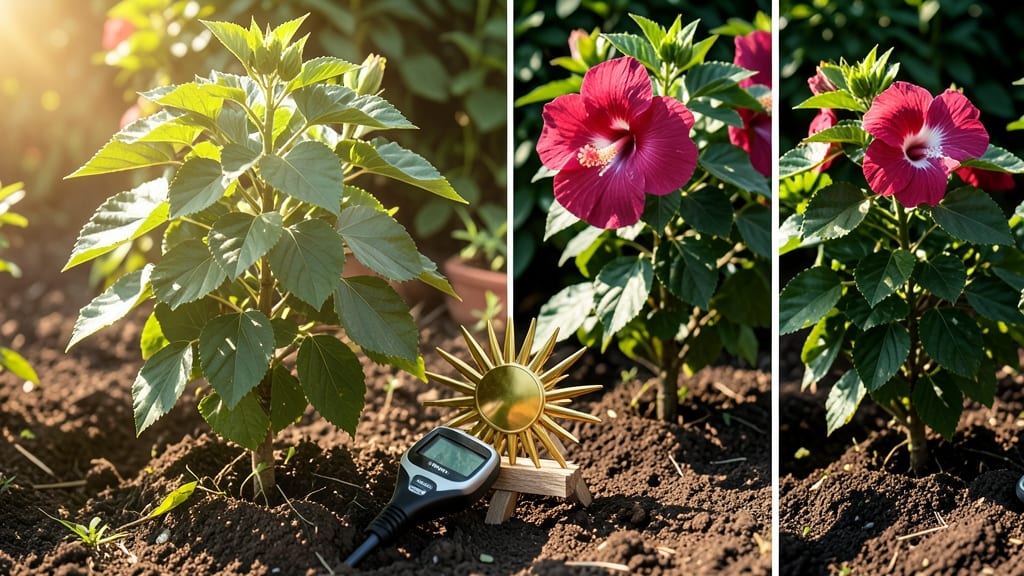
A hibiscus tree needs full sun to bloom and grow strong, but many gardeners overlook how much sunlight it truly craves—and the mistakes that can ruin their plant.
Picture this: you’ve planted your 🌺 hibiscus tree with high hopes, only to watch it struggle with sparse blooms or leggy stems. The culprit? Not enough sunlight—or, in some cases, too much of the wrong kind.
Sunlight isn’t just a preference for hibiscus; it’s the key to vibrant flowers, healthy foliage, and even winter survival in cooler zones.
While most varieties thrive with 6+ hours of direct sun daily, regional differences and partial shade options can change the game. Whether you’re in USDA Zone 6a or a sunnier climate, understanding how light affects your hibiscus will help you avoid common pitfalls—like yellowing leaves or stunted growth.
In this guide, I’ll break down exactly how much sun your hibiscus needs, how to spot light-related problems, and even how to adapt if your garden doesn’t get full sun. By the end, you’ll know how to give your 🌺 hibiscus tree the perfect light conditions for a showstopping display.

How many hours of sun does a hibiscus tree really need?
If you've ever wondered why your hibiscus tree looks healthy but refuses to bloom, the answer likely lies in its sunlight exposure. While many gardeners assume these stunning plants thrive in full sun, the reality is more nuanced.
Tropical hibiscus varieties demand intense light, while hardy hibiscus can adapt to partial shade. Understanding these differences is key to unlocking those vibrant blooms you've been dreaming of.
The minimum sunlight requirement for hibiscus trees starts at 6 hours of direct sun daily, but this varies dramatically between species.
Tropical hibiscus (like Hibiscus rosa-sinensis) need 8-10 hours to produce their signature showy flowers, while hardy hibiscus (such as Hibiscus syriacus) can tolerate 4-6 hours in cooler climates.
Without enough light, your plant will focus energy on leaf growth instead of flowering, leaving you with a lush but flowerless shrub.
Measuring sunlight accurately is easier than you think. Use a simple sunlight tracker: Place a white board where your hibiscus would grow and mark the sunlit hours each day. In full sun areas, the board will show 6+ hours of direct light with minimal dappled shade.
If you're in partial shade, you'll notice filtered light for 4-6 hours with intermittent shade from trees or buildings.
Here's the science behind it: Hibiscus trees perform photosynthesis most efficiently under bright, direct sunlight. When deprived of adequate light, they produce less chlorophyll, which directly impacts flower production. The ideal light spectrum for hibiscus includes blue and red wavelengths (400-700nm), which are abundant in full sun conditions.
Now let's break down the exact requirements by variety in this summary-table to help you determine the perfect spot for your hibiscus tree.
| Variety | Sunlight Needs | Bloom Response | Growth Habit |
|---|---|---|---|
| Tropical Hibiscus (H. rosa-sinensis) | 8-10 hours full sun | Abundant blooms year-round in warm climates | Fast-growing, needs pruning |
| Hardy Hibiscus (H. syriacus) | 6-8 hours sun (tolerates 4) | Seasonal blooms (summer-fall) | Slower growth, cold-hardy |
| Dwarf Hibiscus (H. mutabilis) | 6-7 hours sun | Color-changing blooms (pink to purple) | Compact growth, great for containers |
| Swamp Hibiscus (H. moscheutos) | 5-6 hours sun (tolerates partial shade) | Large dinnerplate flowers | Moisture-loving, tall stems |
The tropical hibiscus is the most demanding, requiring 8-10 hours of full sun to produce its showstopping blooms. In my own garden, I've seen tropical varieties completely shut down flowering when moved to partial shade, even if the leaves remained green.
For these plants, morning sun is particularly critical as it prevents heat stress during peak afternoon hours.
Hardy hibiscus varieties are far more adaptable. My Hibiscus syriacus thrives with just 6 hours of sun in my Zone 7 garden, producing lavender blooms from July through September.
The key difference is their ability to photosynthesize efficiently in cooler temperatures, making them ideal for northern climates where tropical varieties would struggle.
If you're working with limited sunlight, consider these light supplementation strategies. For containers, move your hibiscus to a south-facing patio during peak sun hours. In shaded gardens, use reflective surfaces like white walls or mirrors to bounce light onto your plant.
I've also had success with LED grow lights placed 12-18 inches above the plant for 4-6 hours daily during cloudy periods.
One common mistake is assuming that bright indirect light is sufficient. While this may keep your hibiscus alive, it will significantly reduce blooming. The intensity of sunlight matters just as much as duration.
Direct sun provides 10,000+ foot-candles of light, while indirect light often measures 500-2,000 foot-candles. For reference, a typical office has about 500 foot-candles—far too little for hibiscus.
Remember that seasonal changes affect sunlight exposure. In summer, your hibiscus may receive 12+ hours of potential sunlight, but in winter, that drops to 6-8 hours in many regions.
Adjust your care accordingly: reduce watering in winter when light is limited, and prune lightly to encourage new growth as days lengthen in spring.
For container growers, sunlight needs become even more critical. Pots heat up faster and dry out quicker, so your hibiscus will need more frequent watering when exposed to full sun.
I always place mine on elevated stands to improve airflow and prevent root rot from overheating soil. In hot climates, afternoon shade becomes essential to prevent leaf scorch.
The bottom line? Your hibiscus tree's blooming potential is directly tied to its sunlight exposure. While 6 hours is the minimum for most varieties, 8-10
Signs your hibiscus tree isn’t getting enough sun (and how to fix it)
If your hibiscus tree is struggling to produce those stunning tropical blooms, the culprit is often insufficient sunlight. Even with proper watering and fertilizer, a hibiscus deprived of light will show clear warning signs.
I’ve seen gardeners overlook these symptoms until their plants become leggy or nearly bare. Let’s identify the red flags and fix them before it’s too late.
First, watch for pale or yellowing leaves—a classic sign your hibiscus isn’t getting enough direct sunlight. These leaves often appear thinner and weaker than healthy foliage, and they may even develop brown edges from stress.
Another dead giveaway? Fewer flowers or buds that drop before opening. Your hibiscus might be putting all its energy into reaching for light instead of blooming.
⚠️ callout-warning ⚠️
Partial shade may work in USDA zones 8-11, but less than 4 hours of sun will stunt growth and prevent blooming. Even morning sun only can lead to weak stems and pale flowers. If your hibiscus is in containers, move it to a sunnier spot immediately—it’s especially vulnerable to light deprivation.
Action Step: Test sunlight spots with a sunlight tracker app (like Sun Surveyor) to confirm 6+ hours of direct light.
Weak, sprawling stems are another clue your hibiscus is reaching for light. When a hibiscus doesn’t get enough sun, it grows tall and leggy in an attempt to access more light from above.
You might also notice smaller leaves spaced farther apart along the stems—a clear sign of light starvation. These stems are often softer and more brittle than those of a well-lit hibiscus, making them prone to snapping in wind or rain.
If you’re in a shady climate or have limited outdoor space, don’t despair—there are ways to supplement natural light. For indoor hibiscus trees, place them near a south-facing window and use a grow light (like a full-spectrum LED) for 12-14 hours daily.
I recommend 15-watt LED grow bulbs placed 12-18 inches above the plant. For outdoor hibiscus, consider reflective surfaces like white walls or mirrors to bounce extra light onto the plant.
For outdoor hibiscus trees in partial shade, choose shade-tolerant varieties like Hibiscus syriacus (hardy hibiscus) or Hibiscus moscheutos (swamp hibiscus), which handle 4-6 hours of sun better than tropical types. If your hibiscus is already struggling, prune back leggy growth to encourage bushier, stronger stems.
Focus on cutting back weak, upward-reaching branches first—this helps redirect energy to flower production.
Finally, adjust your fertilizer routine if your hibiscus is light-deprived. A low-light hibiscus needs less nitrogen (which promotes leafy growth) and more phosphorus and potassium (for blooms and root strength). Switch to a bloom-boosting fertilizer like 10-30-20 and apply it every 6-8 weeks during the growing season.
Pair this with deep watering (every 3-5 days) to help roots reach deeper for moisture and nutrients.
With these fixes, your hibiscus should start showing signs of recovery within 4-6 weeks. Keep an eye out for new, darker green leaves and fewer leggy stems—these are your first signs of success.
And remember, consistency is key: hibiscus trees thrive on routine, so stick to your light, water, and fertilizer schedule for the best results. 🌺