
Pruning
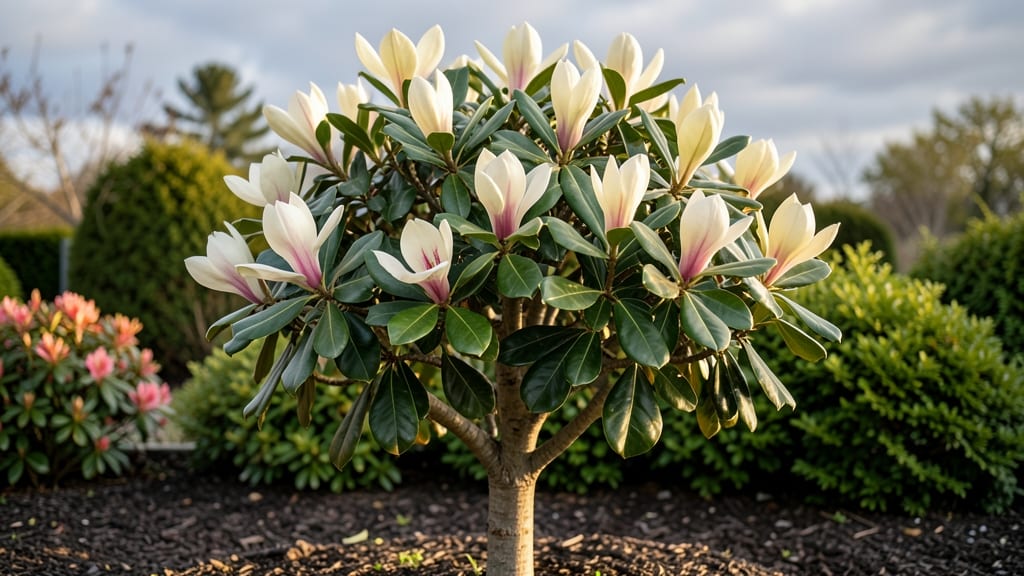
A dwarf magnolia tree with a height typically stays between 6 and 10 feet tall, making it the perfect choice for small gardens, patios, or container plantings.
If you love the stunning blooms of magnolias but lack the space for towering giants, dwarf varieties offer the same beauty in a fraction of the footprint—some staying under 10 feet tall.
These compact trees bring year-round interest with fragrant flowers in spring and glossy foliage that holds up beautifully all season.
Their manageable size means you can place them as a focal point in tight spaces, line a narrow walkway, or even grow one in a large pot on a deck.
Unlike their taller cousins, dwarf magnolias require minimal pruning to maintain their shape, making them a low-maintenance yet high-impact addition to any landscape.
Below, I’ll cover the best dwarf magnolia varieties for your space, how to choose the right one for your garden layout, and simple tips to keep them thriving without sacrificing their compact stature.

Dwarf magnolia tree height comparison: Best varieties under 10 feet
If you're dreaming of magnolia blooms but limited by space, dwarf varieties are the perfect solution. These stunning trees stay under 10 feet tall while delivering the same show-stopping flowers. Whether you're working with a small yard, patio, or container garden, these compact cultivars offer beauty without the bulk.
Let's explore the top dwarf magnolias and their mature heights to help you choose the perfect fit for your space.
Understanding a magnolia's mature height is crucial for planning. While some dwarf varieties top out at just 6 feet, others may reach 10 feet over time. The key difference lies in their growth rates and final dimensions.
For example, the 'Little Gem' magnolia typically stays between 8-10 feet, while 'Black Tulip' remains more compact at 6-8 feet. These distinctions matter when deciding between a specimen tree for your front yard or a border plant for your garden bed.
Here's a detailed comparison of the most popular dwarf magnolia varieties and their height characteristics:
| Variety | Mature Height | Growth Rate | Ideal Spacing | Bloom Season |
|---|---|---|---|---|
| Little Gem | 8-10 ft | 1-2 ft/year | 10-12 ft from structures | Late spring |
| Black Tulip | 6-8 ft | 1 ft/year | 8-10 ft from other plants | Mid-spring |
| St. Mary | 6-8 ft | 1-1.5 ft/year | 8-10 ft from structures | Early spring |
| Teddy Bear | 4-6 ft | 0.5-1 ft/year | 6-8 ft from other plants | Late spring |
| Jane | 8-10 ft | 1-2 ft/year | 10-12 ft from structures | Mid-spring |
The 'Little Gem' magnolia is one of the fastest-growing dwarf varieties, reaching its 8-10 foot height in about 10 years. This makes it ideal for gardeners who want quick results but still need a manageable size.
The 'Teddy Bear' magnolia, on the other hand, grows much slower, staying between 4-6 feet tall. This slower growth rate makes it perfect for container gardening or small urban spaces where you want to maintain control over the tree's final size.
When planning your garden layout, consider the ideal spacing between dwarf magnolias and other plants. For varieties like 'Little Gem' and 'Jane', which reach 10 feet, allow at least 10-12 feet of clearance from structures like houses or fences.
This spacing ensures proper airflow and prevents future pruning headaches. Smaller varieties like 'Teddy Bear' can be planted closer together, making them excellent choices for hedges or mixed borders.
Another critical factor is the growth rate. Faster-growing varieties like 'Little Gem' will fill out your garden quickly, while slower growers like 'Black Tulip' provide a more gradual transformation. If you're planting near a patio or walkway, a slower-growing variety might be preferable to avoid shading areas too quickly.
Conversely, if you want immediate impact, a faster-growing magnolia will deliver stunning blooms sooner.
For container gardening, focus on varieties that stay under 6 feet tall, such as 'Teddy Bear' or 'Black Tulip'. These compact options thrive in large pots, allowing you to place them on patios, balconies, or even move them seasonally.
Just ensure your container has adequate drainage and is at least 18 inches in diameter to accommodate the tree's root system as it grows.
When selecting a dwarf magnolia, also consider the bloom season. Early bloomers like 'St. Mary' will brighten your garden in late winter or early spring, while mid-spring varieties like 'Jane' offer a slightly later show.
This timing can help you create a layered display where different magnolias bloom at various times throughout the spring season.
Remember that even dwarf magnolias benefit from proper pruning techniques to maintain their desired height. Light pruning after flowering helps encourage bushier growth and prevents the tree from becoming too leggy.
Avoid heavy pruning, as this can reduce flowering in subsequent years. With the right variety and care, your dwarf magnolia will provide years of stunning blooms in a space-efficient package.
🌸
How to choose the right dwarf magnolia for your garden size
Selecting the perfect dwarf magnolia starts with understanding your garden's layout and sunlight conditions. These compact trees thrive in spaces where standard magnolias would overwhelm, making them ideal for small patios, container gardens, or foundation plantings.
Their mature heights typically range from 6 to 10 feet, but some varieties like 'Little Gem' stay under 8 feet—perfect for tight spaces.
Consider your garden's sunlight exposure next. Most dwarf magnolias prefer partial shade with morning sun and afternoon protection, though some varieties tolerate full sun. For example, 'Black Tulip' handles brighter conditions better than 'Jane'—a shade-loving variety. Always match your tree's needs to the light your garden provides.
🌱 Key Takeaway: Dwarf Magnolia Size vs. Care
| Variety | Mature Height | Sun Needs | Bloom Time |
|---|---|---|---|
| Little Gem | 6-8 ft | Partial shade | Late spring |
| Black Tulip | 8-10 ft | Full sun to partial shade | Early spring |
| Jane | 6-8 ft | Partial shade | Mid-spring |
✅ Best for containers: 'Little Gem' (under 8 ft) in 20-gallon pots
✅ Best for borders: 'Black Tulip' (8-10 ft) with 4-6 ft spacing
✅ Best for shade: 'Jane' in woodland gardens
For container gardening, prioritize dwarf varieties like 'Little Gem' that stay under 8 feet at maturity. Use large pots (at least 20 gallons) with drainage holes and a high-quality potting mix.
Remember, container-grown magnolias need regular watering—about every 3-5 days in summer—since pots dry out faster than ground soil.
If you're planting along garden borders, choose varieties with narrow canopies like 'Black Tulip' to avoid overcrowding. Space these trees 4-6 feet apart to allow airflow and prevent disease.
Their upright growth habit makes them excellent focal points in mixed borders, pairing well with hostas and ferns for a lush, layered look.
Don't overlook bloom seasons when selecting your tree. Early bloomers like 'Black Tulip' (spring) add color before summer, while 'Jane' (mid-spring) extends the flowering window. For year-round interest, combine a dwarf magnolia with evergreen shrubs like boxwood or inkberry holly to fill gaps when the magnolia isn't in bloom.
Finally, consider your long-term maintenance goals. Dwarf magnolias require minimal pruning—just remove dead branches or shape lightly after flowering. However, if you're growing them in containers, you may need to prune more frequently to control size.
Always use sterilized tools and prune in late winter to avoid disturbing the tree's spring blooming cycle.