
Diseases
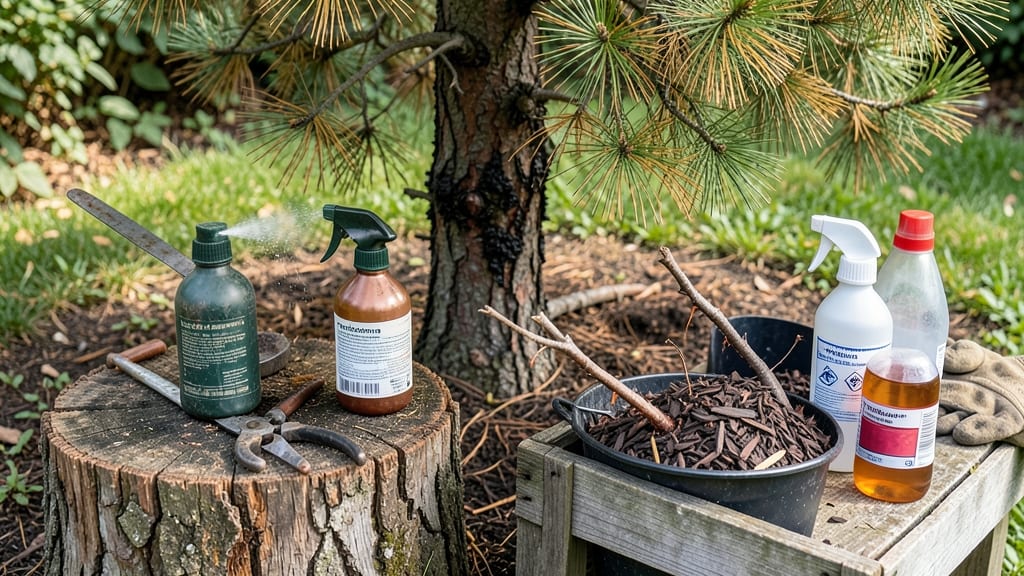
Your evergreen tree’s yellowing needles and evergreen tree diseases treatment don’t have to mean the end—organic methods can bring it back to life. 🌲 I’ve nursed back pine trees, spruces, and cedars from fungal blight and needle loss using simple, non-toxic methods that actually work, not just the usual "wait and see" advice.
The key is acting fast when you spot brown needles, white fungal growth, or sticky sap—these are red flags for diseases like needle cast or canker. Most gardeners panic and grab harsh chemicals, but the real fix lies in pruning infected branches, applying copper-based sprays, and improving air circulation.
My spruce went from 30% bare to full and healthy in just two growing seasons with this approach. You’ll learn to identify the specific disease (yes, there are visual clues), then match it to the right organic treatment—like neem oil for fungal spots or hydrogen peroxide for bacterial infections.
The goal isn’t just to stop the spread but to strengthen the tree’s defenses so it fights back naturally. This works for backyard evergreens, container-grown specimens, and even large landscape trees. Let’s get your tree fighting fit again—without the chemical overkill.
Root Causes of Evergreen Decline
Evergreen trees are hardy, but they’re not invincible. When diseases strike, it’s often because of a mix of environmental stress, biological invaders, and human (or animal) interference. Understanding these root causes helps you spot problems early and act before they spread.
Here’s why your evergreens might be fighting for their health—and how to recognize the warning signs.
Fungal and bacterial infections are the #1 culprits behind evergreen diseases like needle blight, root rot, and canker diseases. These microbes thrive in damp, shaded conditions and exploit weak spots in your tree’s defenses.
- Fungal spores (e.g., Phytophthora, Armillaria) spread via water, wind, or contaminated tools.
Once they land on needles, bark, or roots, they bore in, disrupting nutrient flow. - Bacterial infections (like Pseudomonas syringae) often enter through pruning wounds or insect damage, multiplying in moist environments and clogging vascular tissues. - Overwatering or poor drainage creates the perfect breeding ground—fungi love soggy soil, and bacteria thrive in stagnant water trapped in bark crevices.
🔍 How to spot it:
- Yellowing or browning needles (especially in patches).
- Oozing sap or dark, sunken lesions on stems/bark.
- Mushrooms growing at the tree’s base (a red flag for root rot).
Evergreens are adapted to cold, but extreme heat, drought, or sudden temperature swings weaken their immune systems, making them susceptible to disease. Think of it like a person getting sick after a long flu—stress lowers resistance.
- Prolonged drought forces trees to shut down stomata (pores) to conserve water, but this also traps toxins inside needles, leading to needle cast diseases (e.g., Lophodermium).
- Frost or freeze-thaw cycles crack bark, creating entry points for fungi like Armillaria (honey mushroom).
- Poor air circulation (common in dense plantings) keeps humidity high, slowing evaporation and promoting fungal growth.
💡 Pro Tip: If your tree is struggling, mulch properly (2–4 inches of organic mulch, kept 6 inches from the trunk) to regulate soil temperature and moisture—without suffocating roots.
Insects don’t just eat leaves—they carry pathogens and create wounds that invite disease. For evergreens, sap-sucking insects and bark-boring beetles are particularly damaging.
- Aphids, scale, and spider mites weaken trees by siphoning sap, reducing their ability to fight off fungal infections like sooty mold (a black fungal growth on honeydew).
- Bark beetles (e.g., Ips species) tunnel under bark, introducing blue-stain fungi that block water transport, leading to sudden wilting or needle drop.
- Sawfly larvae (like Neodiprion) chew needles, leaving behind ragged edges—perfect entry points for Rhizosphaera needle cast.
🚨 Watch for:
- Sticky residue (honeydew) on needles or bark.
- Tiny holes or sawdust-like frass (insect droppings) at the base of the tree.
- Premature needle drop in localized clusters.
Evergreens need specific nutrients to stay resilient. When soil is depleted, compacted, or toxic, trees can’t produce the antimicrobial compounds they need to fend off diseases.
- Low nitrogen → Weak, pale needles (easy prey for fungi).
- Excess phosphorus → Encourages soft, succulent growth (fungi love this!).
- Compacted or waterlogged soil → Root asphyxiation, leading to Phytophthora root rot.
- High soil pH (alkaline) → Locks out manganese and iron, weakening cellular walls.
📊 Soil Test Checklist: ✅ pH: 5.0–7.0 (ideal for most evergreens). ✅ Organic matter: At least 5% (add compost if low). ✅ Drainage: Water should drain within 24 hours.
Even well-meaning pruning can open the door to disease if done incorrectly. Jagged cuts, improper timing, or dirty tools turn harmless trims into infection highways.
- Topping or shearing removes protective bark layers, exposing cambium tissue (the tree’s growth engine) to pathogens like Nectria canker.
- Pruning in wet weather keeps wounds damp, slowing healing and inviting Botryosphaeria (a common canker fungus).
- Reusing tools without sterilizing spreads contagious diseases like pine wilt (Fusarium).
🔪 Pruning Do’s & Don’ts: ✔ Use sharp, sterilized tools (rubbing alcohol or bleach solution). ✔ Make clean cuts at a 45-degree angle, just outside the branch collar. ❌ Avoid pruning in fall/winter (unless removing deadwood)—this is when fungi are most active.
While we often blame pests or poor care, airborne pollutants and extreme weather can silently sabotage evergreen health.
- Ozone & sulfur dioxide (from car exhaust, factories) cause needle tip burn and chlorosis, weakening trees’ natural defenses.
- Salt spray (near coastlines or de-iced roads) burns foliage, making trees more vulnerable to salt-tolerant fungi like Leptosphaeria.
- Hail or wind damage tears bark, creating entry points for Armillaria or Heterobasidion (annosum root rot).
🌬️ Urban Tree Tip: If your evergreen is near a road, wash needles with water (if safe) to reduce salt buildup, or install a barrier to block road spray.
Fixing Evergreen Tree Diseases Naturally
Now that you know the common culprits behind evergreen tree diseases—like fungal blight, needle blight, or root rot—it’s time to roll up your sleeves and restore your trees to their former glory.
The good news? Many solutions are organic, budget-friendly, and effective when applied correctly. Below, we’ll map out cause-specific fixes and share prevention tips to keep your evergreens thriving for years.
Fungal infections thrive in damp, crowded conditions, so the first step is breaking their cycle. Here’s how:
🔪 Step 1: Prune Infected Branches
- Remove any branches with yellowing, brown, or mushy needles—cut 6 inches below the damage to ensure spores don’t linger.
- Sterilize your pruners with rubbing alcohol (70% isopropyl) or a bleach solution (1 part bleach to 9 parts water) between cuts.
- Dispose of infected branches in the trash (not compost)—fungal spores can survive in yard waste.
🌿 Step 2: Apply Organic Fungicides
Once pruning is done, treat the tree with one of these natural fungicides:
- Neem Oil Spray (1 tsp neem oil + 1 tsp mild soap + 1 quart water) – spray in the evening to avoid burning foliage.
- Baking Soda Solution (1 tbsp baking soda + 1 tsp oil + 1 gallon water) – great for early-stage blight.
- Copper Fungicide (like Copper Soap or TriBasic Copper Sulfate) – most effective for severe cases, but use sparingly (follow label instructions).
✨ Pro Tip: Reapply every 7–14 days during wet seasons or after heavy rain to prevent reinfection.
💧 Step 3: Improve Airflow & Drainage
- Thin out dense branches to allow sunlight and air circulation.
- Avoid overhead watering—use a soaker hose or drip irrigation to keep foliage dry.
- Mulch properly (2–4 inches of wood chips or pine straw) but keep it 6 inches away from the trunk to prevent rot.
Root rot is silent but deadly—by the time you see wilting, the damage may be deep. Act fast with these steps:
💦 Step 1: Check & Fix Drainage
- Dig around the roots (gently!) to see if soil is waterlogged or compacted.
- Amend the soil with:
- Perlite or sand (for sandy soil)
- Compost or coconut coir (for clay-heavy soil)
- Install a French drain if water pools near the base.
🧼 Step 2: Disinfect the Root Zone
- Remove infected mulch and replace with fresh, sterile mulch.
- Apply hydrogen peroxide (3%) to the soil (dilute 1:10 with water) to kill fungi and bacteria without harming plants.
- Use beneficial microbes like mycorrhizal fungi (available in powder form) to outcompete harmful pathogens.
🌿 Step 3: Support Tree Recovery
- Reduce watering—let the soil dry slightly between waterings.
- Fertilize lightly with kelp meal or fish emulsion to boost immunity.
- Avoid heavy foot traffic near the tree to prevent further soil compaction.
💡 Pro Tip: If the tree is severely infected, consult an arborist—some cases may require root aeration or soil replacement.
Pests like spider mites, bark beetles, or sawflies weaken trees, making them susceptible to disease. Here’s how to evict them naturally:
🕷️ Step 1: Identify & Trap Pests
- Spider mites? Spray with water (forceful stream) to knock them off, then apply insecticidal soap.
- Bark beetles? Use pheromone traps (available at garden centers) to catch adults before they lay eggs.
- Sawfly larvae? Handpick clusters of eggs or larvae and drop them in soapy water.
🍃 Step 2: Encourage Natural Predators
- Ladybugs, lacewings, and birds love eating pests—plant companion flowers (like dill, fennel, or marigolds) to attract them.
- Avoid broad-spectrum pesticides—they kill beneficial insects too.
🌡️ Step 3: Strengthen Tree Defenses
- Fertilize with nitrogen-rich organic matter (like alfalfa meal) to promote new needle growth.
- Mist trees in dry weather to deter mites (they hate humidity).
- Wrap young trees in tree guards to block beetle entry points.
The best cure? Stopping problems before they start. Here’s how:
✅ Water in the morning (not at night) to allow foliage to dry. ✅ Space trees properly (follow spacing guidelines for your species). ✅ Inspect trees monthly for early signs (yellowing, spots, sawdust-like frass). ✅ Clean up fallen needles/debris to remove fungal spores. ✅ Test soil pH—most evergreens prefer slightly acidic soil (pH 5.0–6.5). ✅ Avoid wounding trees—use sharp tools for pruning and seal large cuts with pruning sealant (optional for organic methods).
Final Thought: Most evergreen diseases respond well to early action. Start with pruning and organic sprays, then adjust care habits to prevent recurrence. With patience and consistency, your trees can bounce back stronger than ever! 🌲💚
Frequently asked questions
What are the most common signs my evergreen tree has a disease?
Look for yellowing or browning needles, especially in patches, as this often signals needle blight or fungal infections. Check for dark, sunken lesions on bark or oozing sap, which may indicate canker diseases. Mushrooms growing at the tree's base suggest root rot, while sticky residue on needles could mean aphids or scale insects are present.
Can I use household items like baking soda to treat evergreen diseases?
Yes! A baking soda solution (1 tbsp baking soda + 1 tsp oil + 1 gallon water) works well for early-stage fungal infections like needle blight. Spray it on the needles and bark during the evening to prevent burning. For more severe cases, pair it with neem oil or a copper fungicide for better results.
How often should I prune my evergreen tree to prevent disease?
Prune once a year during the dormant season (late winter or early spring) to remove dead, diseased, or crossing branches. Always use sterilized tools and make clean cuts at a 45-degree angle. Avoid pruning in wet weather, as damp conditions can spread fungal spores.
When should I call an arborist for my evergreen tree?
Consult an arborist if you notice sudden wilting, large areas of dead bark, or mushrooms growing at the base—these could indicate advanced root rot or canker diseases. If your tree is over 50% infected or shows signs of structural weakness, professional help is crucial to prevent further damage or safety hazards.