
Diseases
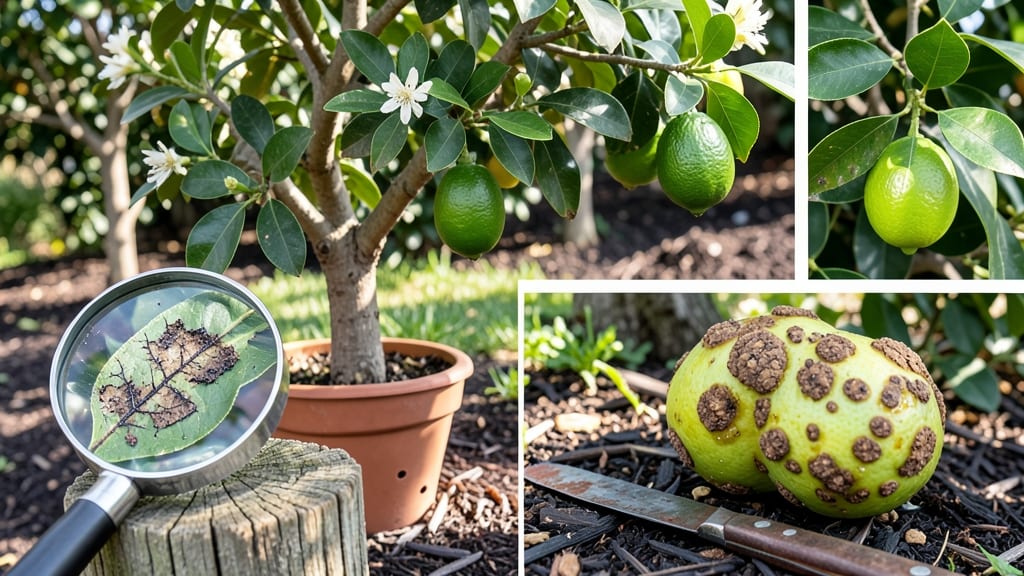
Spotting those mysterious lime tree diseases—especially when you have lime tree diseases pictures to compare against—can save your tree before fungus or bacteria take hold.
I’ve seen firsthand how quickly fungal blight turns vibrant foliage into a sad, yellowing mess. 🌿 The key is recognizing the early signs: dark spots on leaves, oozing cankers on bark, or sudden wilting that no watering can fix.
These visual clues are your early warning system, and catching them early means the difference between a quick fix and losing your tree.
Most of these diseases start with moisture—too much rain, poor drainage, or overhead watering—that creates the perfect breeding ground for fungal spores. I’ve had to prune out entire branches of my Meyer lime just to stop the spread, but the right timing and tools make all the difference.
Think of it like a game of whack-a-mole: you spot the problem, act fast, and keep an eye out for new outbreaks.
Once you identify the issue—whether it’s citrus canker, melanose, or root rot—the fixes are surprisingly straightforward: prune infected areas, apply copper fungicide, or improve airflow around the tree. The goal isn’t just to treat the symptoms but to break the cycle so your tree stays healthy long-term.
With the right approach, you’ll see fresh, disease-free growth within weeks.
This guide walks you through the most common diseases, their telltale signs, and step-by-step solutions—no green thumb required. Whether you’re dealing with a single branch or your whole tree looks like it’s under siege, these strategies will help you get it back to thriving. Let’s get those limes producing again!
Root Causes Behind Lime Tree Ailments
Lime trees, with their glossy leaves and fragrant blossoms, can fall prey to a variety of diseases—often due to a mix of environmental stress, poor care, and microbial invaders. Understanding why these issues arise is the first step to prevention and treatment.
Below, we break down the key culprits behind lime tree diseases, from fungal infections to environmental factors, so you can protect your tree like a pro.
Fungi thrive in warm, moist conditions, making lime trees particularly vulnerable—especially in humid climates or after heavy rainfall. Here’s how these pathogens take hold:
- 🌧️ Overwatering or Poor Drainage Fungi like Phytophthora and Fusarium love soggy soil. When lime trees sit in waterlogged conditions, their roots suffocate, creating entry points for fungal spores. Actionable fix: Ensure your tree’s soil is well-draining (amend with sand or perlite if needed) and avoid watering until the top 2 inches of soil are dry.
- 🍃 Leaf Wetness & High Humidity Diseases like anthracnose and citrus scab spread rapidly when leaves stay damp for extended periods. Fungal spores splash onto foliage during rain or overhead irrigation, germinating in humidity levels above 70%. Actionable fix: Water at the base (not overhead) and prune for airflow. Consider a fungicide like copper spray if humidity is persistent.
- 🌿 Weakened Tree Defense Stressed trees (from drought, nutrient deficiencies, or physical damage) have weakened immune systems, making them easy targets. Actionable fix: Fertilize with citrus-specific nutrients (like a balanced 6-6-6 NPK ratio) and monitor for pests that cause secondary stress.
Unlike fungi, bacteria multiply quickly and can cause irreversible damage if left unchecked. Here’s how they exploit lime trees:
- 🔥 Wounds & Pruning Cuts Bacteria like Xanthomonas (causing citrus bacterial spot) enter through open wounds, such as pruning cuts or storm damage. Actionable fix: Sterilize pruners with rubbing alcohol between cuts and avoid pruning during wet weather.
- 🌡️ Warm, Wet Conditions Bacterial diseases peak in temperatures between 77–86°F (25–30°C) with high humidity. Actionable fix: Space trees for airflow and avoid overhead irrigation during heatwaves.
- 🍊 Contaminated Tools or Hands Even gardeners can spread bacteria unknowingly. Actionable fix: Wash hands and sanitize tools before and after handling trees.
Not all lime tree diseases come from microbes—sometimes, the environment itself sets the stage for problems:
- ❄️ Freezing Temperatures & Cold Damage Lime trees are subtropical and can suffer from cold injury when temperatures dip below 28°F (-2°C). Weakened cells become susceptible to secondary infections. Actionable fix: Mulch heavily in winter and protect young trees with frost cloth.
- ☀️ Sun Scorch & Heat Stress Intense afternoon sun (especially after winter) can burn leaves, creating entry points for pathogens. Actionable fix: Provide afternoon shade for young trees or use a light mulch to insulate roots.
- 🐛 Pest Infestations Insects like aphids or scale can damage leaves, leaving trees vulnerable to fungal/bacterial hitchhikers. Actionable fix: Monitor for pests and treat with neem oil or insecticidal soap at the first sign of trouble.
Pro Tip: 💡 Many lime tree diseases start with one of these root causes—so addressing watering, airflow, and tree health can prevent 80% of issues before they appear! Regular inspections (especially after rain) help catch problems early.
Practical fixes for lime tree ailments
When your lime tree shows signs of distress—wilting leaves, dark spots, or oozing cankers—don’t panic! Most lime tree diseases can be managed with the right approach. Below, we’ve mapped out targeted solutions for common issues, from fungal infections to pest invasions. Each fix includes step-by-step actions and preventive tips to keep your tree thriving.
Fungi thrive in damp, shaded conditions, so act fast to starve them out and boost your tree’s defenses.
🔥 Step 1: Prune Infected Areas
- Use sterilized pruning shears (wipe with rubbing alcohol between cuts).
- Remove all diseased leaves, branches, or fruit showing dark spots, lesions, or mold.
- Cut back to healthy green tissue (about 6 inches below the damage).
- Pro Tip: 🔪 Bag and dispose of pruned debris in the trash—not the compost!
🍳 Step 2: Apply Fungicide
- For severe cases: Use a copper-based fungicide (like Copper Soap) or a neem oil solution (1 tbsp neem oil + 1 quart water + a drop of dish soap).
- For prevention: Spray baking soda fungicide (1 tsp baking soda + 1 quart water + a few drops of soap) every 2 weeks during rainy seasons.
- Timing: Apply in the early morning so the solution dries before evening moisture fuels spores.
🌡️ Step 3: Improve Airflow & Light
- Thin out dense branches to allow sunlight and air circulation.
- Space trees at least 10–15 feet apart to prevent humidity buildup.
- Pro Tip: ✨ Mulch properly—keep mulch 3–4 inches deep but 6 inches away from the trunk to avoid moisture traps.
Pests weaken trees by sucking sap or burrowing into leaves. Disrupt their life cycle with these tactics.
👨🍳 Step 1: Blast Off Pests Physically
- For soft-bodied pests (aphids, mites): Spray with a strong stream of water to knock them off.
- For scale insects: Scrape off visible bumps with a plastic scraper (avoid metal—it spreads pests).
- Pro Tip: 💡 Use a shop vac on a low setting to suck up crawling insects from leaves and soil.
🥘 Step 2: Introduce Natural Predators
- Ladybugs and lacewings devour aphids—buy them online or attract them with dill or fennel plants nearby.
- Parasitic wasps target leafminers—release them in early spring when pests are most active.
🔪 Step 3: Chemical-Free Sprays
- Neem oil spray (2% solution): Disrupts pests’ feeding and reproduction. Reapply every 7–10 days.
- Insecticidal soap (for aphids/mites): Mix 1.5 tbsp mild soap + 1 quart water.
Spray directly on pests (avoid hot sun—it burns leaves). - Pro Tip: 🎯 Spray undersides of leaves—that’s where pests hide!
Lime trees need balanced nutrients to fight disease. Fix deficiencies with these organic fixes.
📊 Step 1: Test Your Soil
- Use a DIY soil test kit (or send a sample to a local extension office).
- Common deficiencies in lime trees:
- Yellow leaves? → Iron or nitrogen deficiency.
- Purple stems? → Phosphorus deficiency.
- Slow growth? → Potassium or zinc deficiency.
💪 Step 2: Fertilize Correctly
- For iron deficiency: Apply chelated iron (like Ironite) or use EGGshell fertilizer (crush and bury near roots).
- For general health: Use a balanced citrus fertilizer (6-6-6 or 8-3-9 ratio) in early spring and summer.
- Pro Tip: 🥗 Avoid over-fertilizing—lime trees prefer slightly acidic soil (pH 6.0–7.0).
Test before reapplying!
🍎 Step 3: Boost Microbes
- Add compost or worm castings to the soil to improve nutrient uptake.
- Mycorrhizal fungi (available in powder form) help roots absorb water and minerals—mix into soil at planting.
An ounce of prevention saves gallons of fungicide! Follow these year-round habits to protect your lime tree.
- 🌧️ Water Wisely:
- Water deeply but infrequently (1–2 inches per week).
- Water at the base of the tree, not overhead (to avoid wetting leaves).
- Pro Tip: 💡 Use drip irrigation or soaker hoses for precision.
- ☀️ Sunlight & Spacing:
- Plant lime trees in full sun (6+ hours/day).
- Space trees 15–20 feet apart to reduce humidity.
- 🧹 Sanitation:
- Clean up fallen leaves/fruit regularly (fungi love this debris!).
- Sterilize pruning tools between uses (bleach or alcohol).
- 🌿 Strengthen the Tree:
- Mulch annually with wood chips or straw (but avoid piling against the trunk).
- Prune in late winter to encourage airflow and sunlight penetration.
With these targeted fixes, your lime tree can bounce back from disease—and stay resilient for years. Act early, stay consistent, and your tree will reward you with lush foliage and sweet fruit!
Frequently asked questions
What are the most common lime tree diseases I should watch for?
Look for these top culprits: citrus canker (raised, crusty spots on leaves), melanose (dark, greasy-looking spots), anthracnose (yellow-brown leaf patches), and root rot (wilting despite moist soil). These appear most often in humid climates or after heavy rain.
How can I tell if my lime tree has fungal or bacterial infection?
Fungal diseases often show up as powdery or fuzzy growths (like mildew) or dark, greasy spots (melanose). Bacterial infections create water-soaked lesions that ooze when pressed, and often have yellow halos around them. Check leaf undersides first—they’re prime hiding spots.
Can I use household items to treat lime tree diseases?
Yes! For fungal issues, try a baking soda spray (1 tsp baking soda + 1 quart water + a drop of soap). For bacterial spots, copper fungicide (or even diluted hydrogen peroxide at 3%) can help. Always test on a small leaf first to check for sensitivity. Just remember—household remedies work best for prevention, not severe infections.
How often should I inspect my lime tree for diseases?
Check your tree every 2 weeks during growing season (spring-fall), and monthly in winter. Focus on new growth, leaf undersides, and trunk wounds—these are hotspots for early signs. After heavy rain or when humidity spikes above 70%, do an extra check within 48 hours.
What should I do with diseased leaves I remove from my tree?
Never compost them! Seal infected leaves in a plastic bag and throw them in the trash. Fungal spores can survive in compost and reinfect your tree. For bacterial infections, disinfect your pruners with rubbing alcohol between cuts to prevent spreading pathogens.