
Diseases
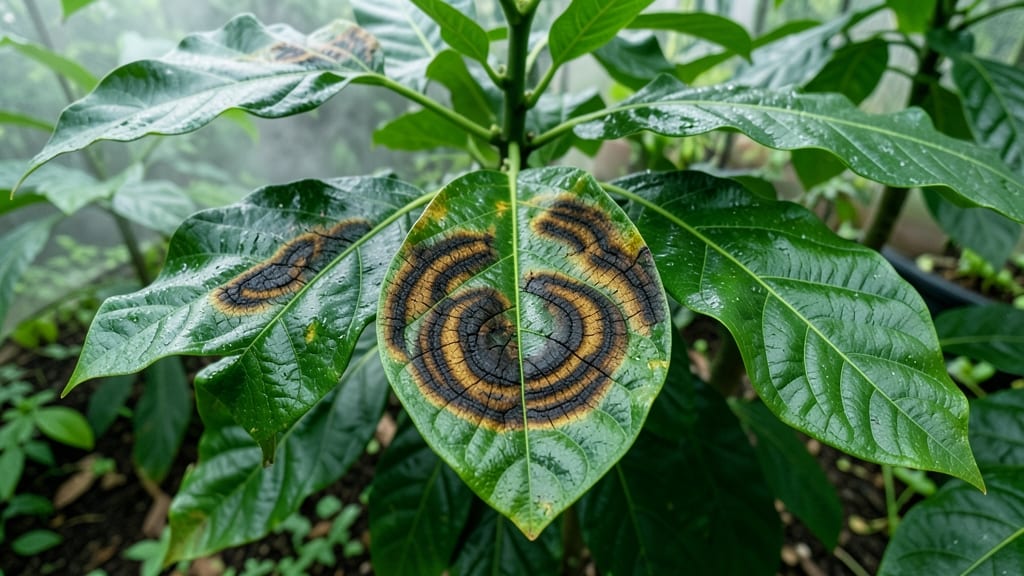
Avocado trees are prized for their fruit, but fungal diseases can devastate yields if left unchecked. This visual guide helps gardeners identify 10 common fungal infections through detailed pictures and symptoms, along with treatment strategies to protect your orchard.
Root Rot in Avocado Trees
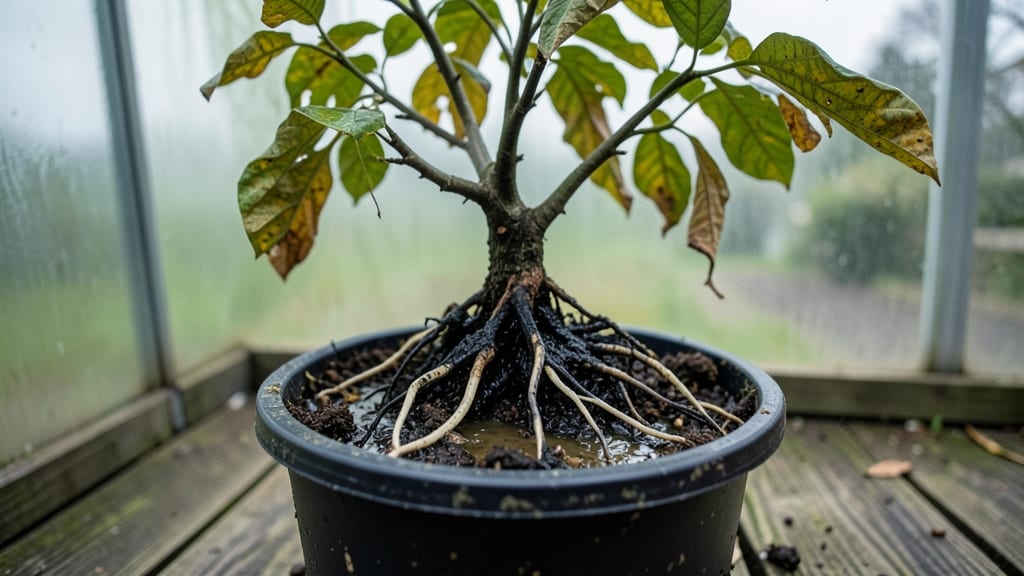
If your container-grown avocado tree suddenly wilts despite regular watering, the culprit might be root rot—a silent killer that thrives in soggy conditions. This fungal disease turns roots black and mushy, releasing a foul odor that signals irreversible damage if ignored.
Root rot strikes when poor drainage traps excess moisture, creating the perfect breeding ground for fungi like Phytophthora. Check for waterlogged soil or pots without drainage holes—these are red flags. To save your tree, improve drainage by adding perlite or sand to containers and avoid overwatering. For severely infected trees, prune affected roots and repot in fresh, well-draining soil.
This disease is especially deadly for urban gardeners and those growing avocados in pots. Early action can mean the difference between saving your tree and losing it forever. 🌱
Anthracnose Fungus Spots
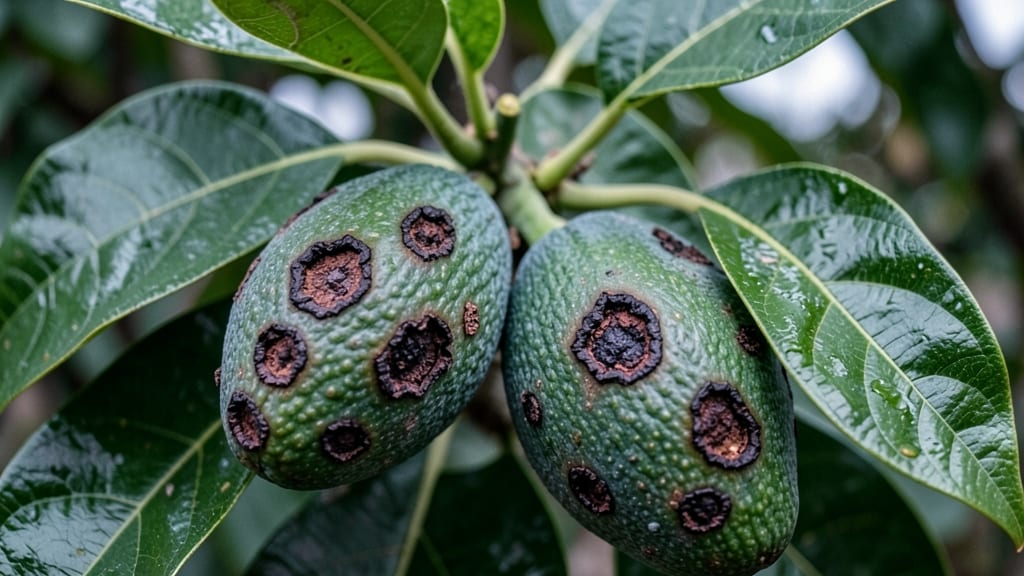
If your avocado tree leaves or fruit develop dark, sunken spots that look like they’ve been burned or cracked, you’re likely dealing with anthracnose fungus—a stubborn but manageable issue in humid climates. Unlike root rot, this disease thrives above ground, targeting foliage and fruit with irregular, dark brown lesions that often ooze or crack open, revealing a velvety fungal layer underneath.
This fungal infection spreads quickly in wet conditions, so organic growers should focus on preventive pruning to improve airflow and copper-based sprays (like copper fungicide) during rainy seasons. Remove infected leaves immediately and avoid overhead watering to keep foliage dry. For severe cases, a baking soda spray (1 tsp baking soda + 1 quart water + a drop of dish soap) can help suppress the fungus naturally.
Anthracnose is especially tricky for organic growers because it mimics other stress symptoms, but catching it early means you can save your harvest without resorting to harsh chemicals. 🌿
Phytophthora Crown Rot
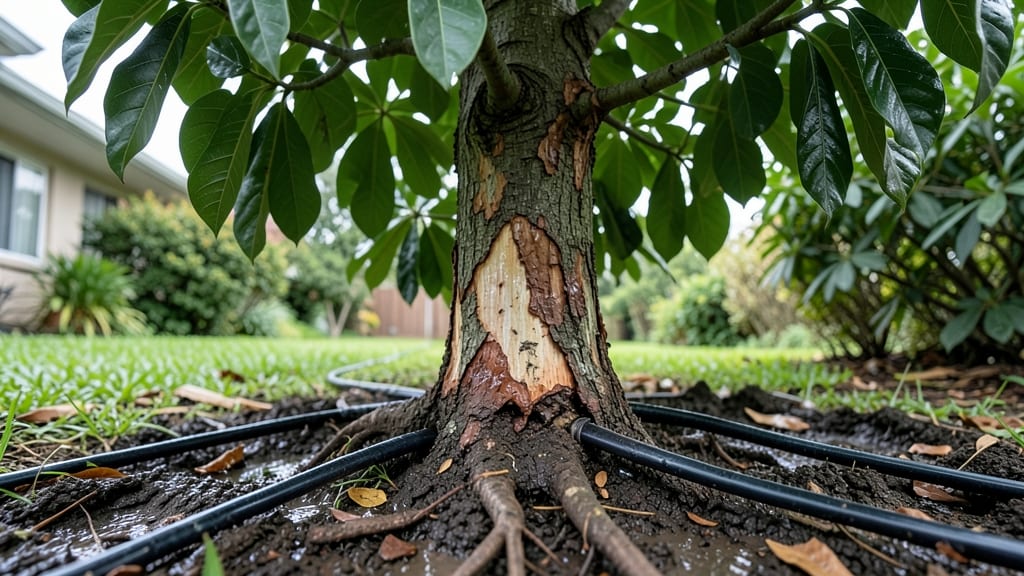
If your avocado trees near irrigation lines are suddenly wilting despite regular watering, Phytophthora crown rot could be the culprit. This aggressive fungus thrives in saturated soil conditions, attacking the tree's collar—the critical junction between roots and trunk—causing brown, water-soaked lesions that ooze sap.
Look for sudden leaf drop and stunted growth, often accompanied by a foul odor at the base. Unlike root rot, crown rot targets the upper root zone, making it especially dangerous for commercial orchards in tropical regions where heavy irrigation is common. The key to prevention? Improve drainage by raising beds or installing drip irrigation to avoid soil saturation.
This disease spreads rapidly in high-humidity climates, so act fast if you spot symptoms. Commercial growers should prioritize fungicidal soil drenches during wet seasons, while home gardeners can use copper-based sprays as a preventive measure. 🌟
Powdery Mildew on Avocado Leaves
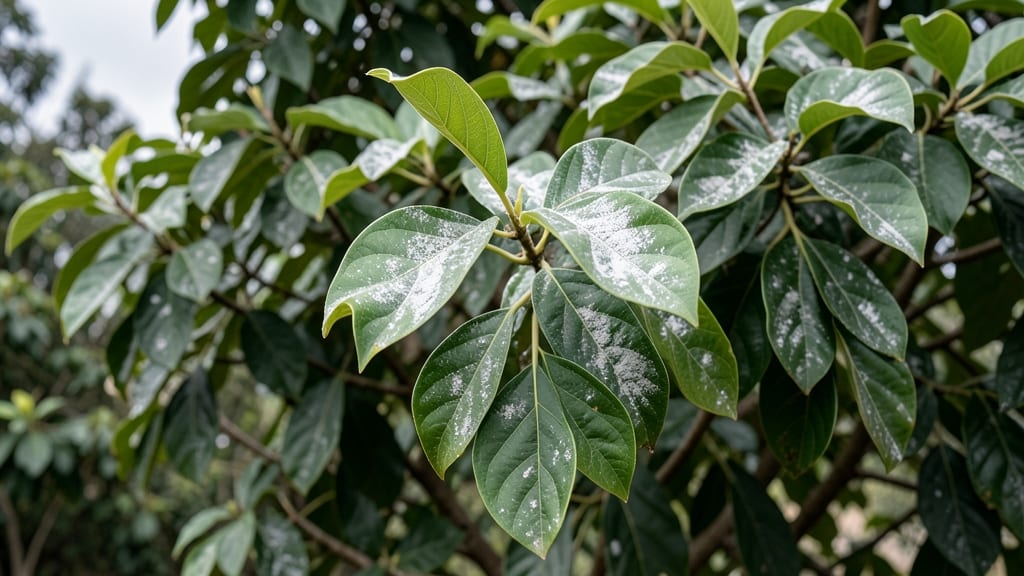
If you’ve ever spotted a strange white dusting on your avocado tree’s young leaves, that’s likely powdery mildew—a fungal infection that’s easier to catch early than you might think. Unlike other diseases that hide in roots or stems, powdery mildew announces itself with a chalky white coating, making it a beginner-friendly warning sign.
This fungus thrives in shady, humid conditions and blocks sunlight from reaching leaves, weakening your tree’s ability to photosynthesize. Prune for better airflow, apply a mix of baking soda and water (1 tbsp per quart) as a preventive spray, or use neem oil for organic treatment. The key is acting fast—once it spreads, the mildew can stunt leaf growth and reduce fruit production.
This is the perfect disease for new gardeners to learn from, as the symptoms are unmistakable and early intervention keeps your tree healthy. 🌱
Fusarium Wilt Symptoms
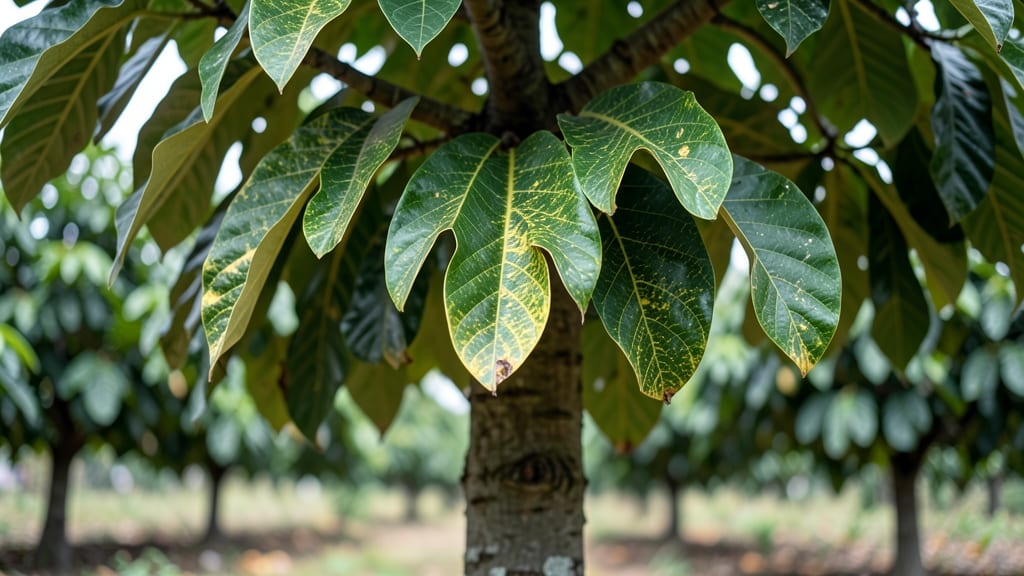
If your avocado tree’s leaves are turning yellow and wilting despite regular watering and fertilizer, Fusarium wilt might be the culprit—not just a nutrient deficiency. This vascular disease clogs the tree’s water transport system, causing irreversible damage if confirmed too late.
Look for yellowing leaves starting at the bottom of the tree, crispy edges, and eventual leaf drop. Cutting a small branch reveals brown streaks in the vascular tissue—a telltale sign. Unlike nutrient issues, this disease spreads through contaminated soil or tools and has no cure, so prevention is key.
Gardeners in warm climates should prioritize sterilized pruning tools and avoid planting in previously infected soil. Early detection saves your tree—don’t wait until the whole canopy wilts. 🌿
Black Spot Disease on Fruit
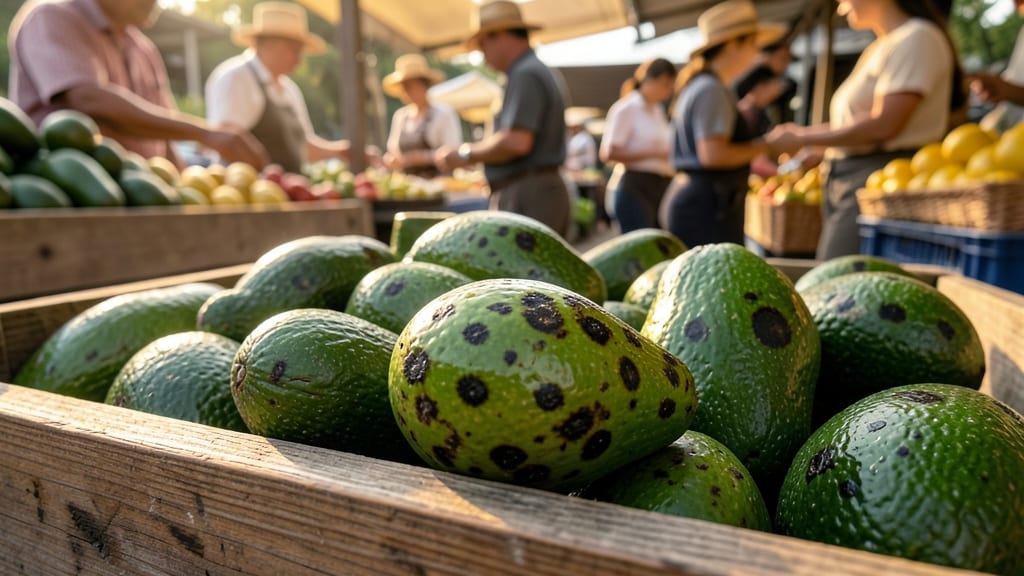
Selling avocados at farmers' markets? Those unsightly black circular spots on your fruit might be scaring off customers—even if the flesh stays safe to eat. This cosmetic fungal issue thrives in warm, humid conditions, turning your premium harvest into a visual disappointment overnight.
These spots start as tiny dark specks that expand into raised, irregular patches, often surrounded by a faint yellow halo. Unlike internal rot, they don’t affect flavor or safety, but they do slash perceived value. The key to prevention is proper spacing (6-10 feet between trees) for airflow and copper-based fungicides applied every 2-3 weeks during fruit development. Harvest promptly when ripe to minimize exposure.
For home growers selling at markets, this disease is a make-or-break detail—customers judge by appearance first. A quick copper spray schedule keeps your fruit looking flawless and your sales thriving. 🌟
Botrytis Blight on Flowers
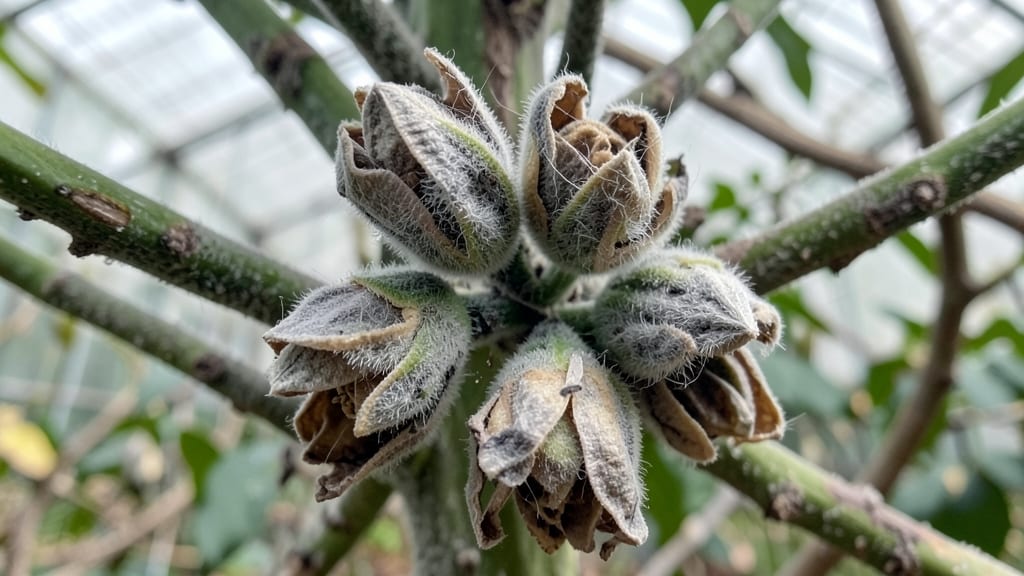
If your avocado tree’s flowers are wilting with a gray, fuzzy coating, you’re likely dealing with Botrytis blight—a sneaky fungal invader that blocks fruit production by preventing successful pollination. This issue is especially critical for greenhouse-grown or urban avocado varieties that rely on hand-pollination or limited natural pollinators.
Look for gray mold spreading across petals, often in damp or shaded conditions. The fungus thrives in high humidity (above 75%) and poor airflow, so prune nearby foliage to improve circulation. Remove infected blossoms immediately and avoid overhead watering during flowering. A copper fungicide spray (applied preventatively) can stop its spread, while baking soda solution (1 tsp per quart of water) offers an organic alternative.
Urban gardeners and greenhouse growers should monitor blossoms closely—this disease can wipe out entire flower clusters overnight. Early action preserves your tree’s fruit-setting potential for the season. 🌿
Cercospora Leaf Spot
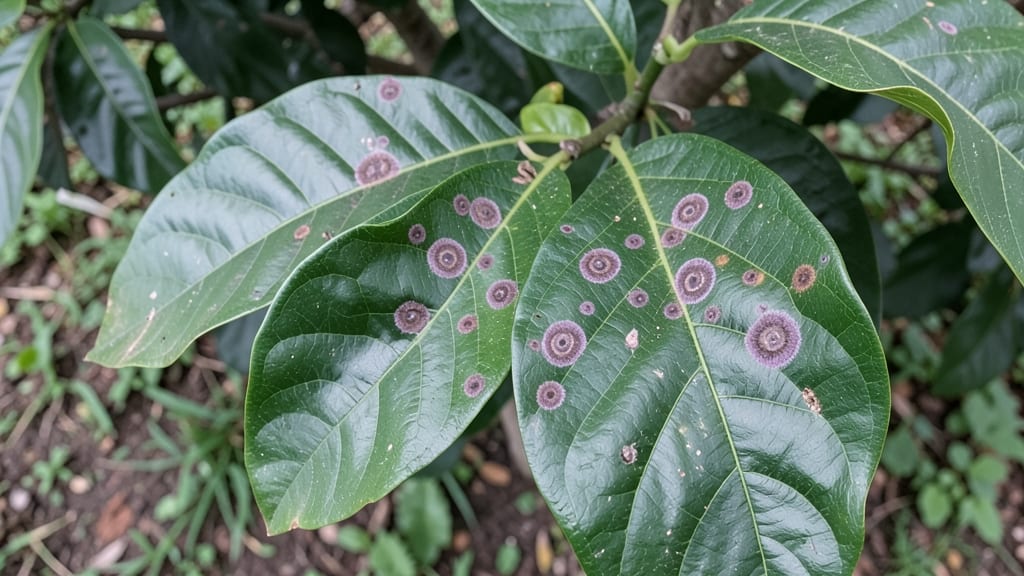
If your avocado tree’s leaves show tiny purple-brown spots with faint concentric rings, you’re likely dealing with Cercospora leaf spot—a fungal disease that’s often mistaken for nutrient deficiencies or other leaf spots. Unlike other fungal infections, this one leaves a distinctive "bullseye" pattern that helps with quick identification.
These spots typically appear on mature leaves and may merge as the disease progresses, causing premature leaf drop. The fungus thrives in warm, wet conditions, so it’s common in humid climates or after heavy rainfall. Prune infected leaves promptly and improve airflow around the tree to reduce future outbreaks. Copper fungicides can also help prevent spread during active growth periods.
This disease is particularly tricky for home gardeners because it mimics other issues, but recognizing those concentric rings is your key to early intervention. 🌱
Armillaria Root Disease
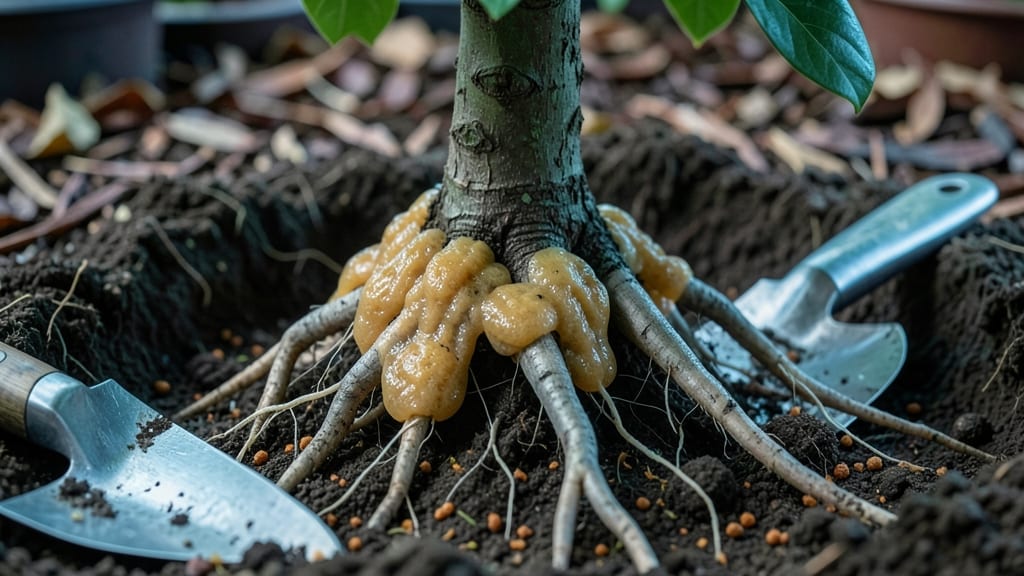
If you’ve recently planted an avocado tree from nursery stock and notice honey-colored fungal growth at the base of the roots, you’re likely dealing with Armillaria root disease—a sneaky invader that spreads silently through infected soil and plant material.
This aggressive fungus produces shelf-like structures called conks at the root collar, often accompanied by stunted growth or sudden wilting. Unlike other root diseases, Armillaria thrives in well-drained but moisture-retentive soils and can persist in the environment for years, making prevention key. If caught early, removing infected roots and treating soil with copper-based fungicides may help, but severely infected trees often require removal to prevent spread.
New plantings and orchards are most vulnerable, so always inspect nursery stock for signs of this disease before planting. 🌱
Alternaria Leaf Blight

If your avocado tree’s older leaves are developing dark concentric rings that look like burn marks, you’re likely dealing with Alternaria leaf blight—a fungal disease that thrives in high-humidity regions and mimics nutrient deficiencies. Unlike other leaf spots, this one targets mature foliage first, creating a bullseye pattern that spreads rapidly in warm, wet conditions.
The key to managing this disease is early pruning of infected leaves (sterilize tools between cuts!) and improving air circulation around the canopy. Avoid overhead watering, which worsens spores, and consider a copper fungicide spray during rainy seasons. Unlike nutrient burn, Alternaria spreads through contaminated water or tools, so sanitation is critical.
Gardeners in tropical or subtropical climates should monitor their trees closely after heavy rains, as this fungus exploits damp conditions. With prompt action, you can prevent it from weakening your tree’s overall health and fruit production. 🌿