
Pruning
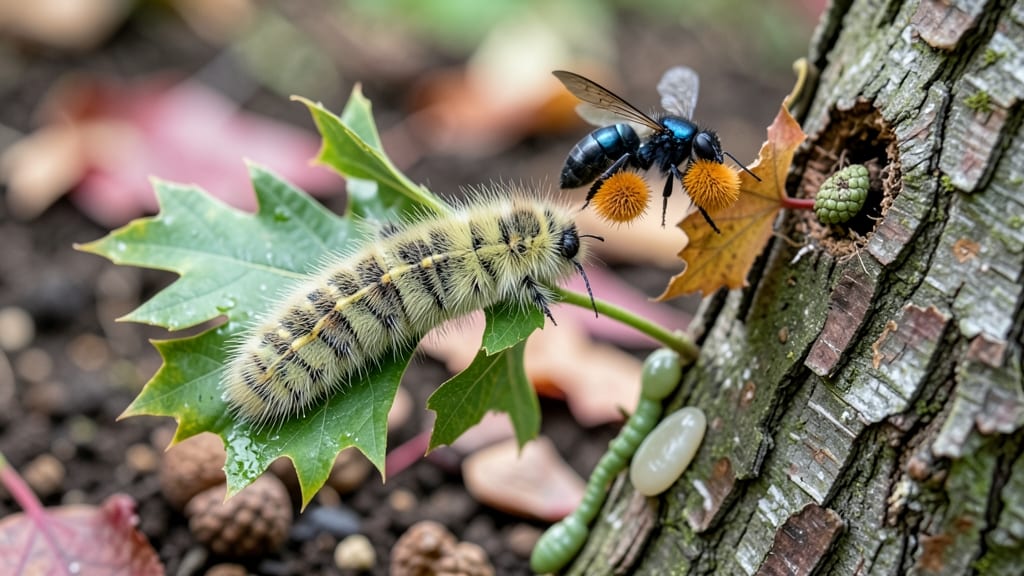
Tree insects identification early can save your trees from irreversible damage. 🌳 I’ve spent years watching my oak and maple trees battle pests—from tiny sawdust piles under branches to chewed leaves that look like confetti. The key is spotting the clues before the infestation takes hold, and I’ll show you exactly what to look for, from eggs to adult beetles.
Most pests leave telltale signs: sawdust-like frass under bark (a dead giveaway for borers), sticky honeydew on leaves (scale insects), or skeletonized foliage (caterpillars). Regional differences matter too—southern magnolias often face lace bugs, while northern pines suffer from spider mites.
I’ll break down the most common culprits in your area and how their damage differs.
Once you confirm an infestation, you don’t always need chemicals. Pruning damaged branches, applying neem oil for soft-bodied pests, or introducing beneficial predators (like ladybugs for aphids) can work wonders. The goal is to act fast—before the tree’s health declines past the point of recovery.
Still unsure? I’ll walk you through when to call a professional (like when borers are already tunneling deep) and how to document the problem for an arborist’s visit. Your trees deserve a fighting chance—and this guide will help you spot trouble before it’s too late.
Root Causes of Tree Insect Infestations
Understanding why insects target your trees is the first step in prevention and treatment. These pests don’t just appear randomly—they’re drawn to specific conditions that make your trees vulnerable. Below, we break down the key reasons your trees might be attracting unwanted visitors, from environmental factors to tree health issues.
---
A tree’s natural defenses weaken when it’s stressed, making it an easy target for insects. Here’s how it happens:
- Nutrient Deficiencies 📊 Trees lacking essential nutrients (like nitrogen, potassium, or magnesium) produce weaker bark and foliage, which insects exploit. For example, spider mites thrive on nutrient-starved trees because their leaves become drier and less resilient.
- Disease or Fungal Infections 🍄 Fungal diseases (such as anthracnose or powdery mildew) create entry points for insects. The emerald ash borer, for instance, often attacks ash trees already compromised by stress or disease.
- Physical Damage ⚔️ Broken branches, cracked bark, or wounds from pruning invite pests like bark beetles or sapsuckers. These insects burrow into damaged areas to lay eggs, accelerating decay.
Actionable Tip: 💡 Regularly inspect your trees for signs of stress—yellowing leaves, oozing sap, or unusual spots—and address deficiencies with proper fertilization or pruning techniques.
---
Extreme weather, poor soil, and urban conditions create perfect breeding grounds for tree pests.
- Drought or Overwatering 💧 Both extremes stress trees. Drought weakens roots, making trees susceptible to borers (like the pine bark beetle), while overwatering promotes fungal growth, attracting sawflies or leaf miners.
- Poor Soil Drainage 🏗️ Waterlogged soil suffocates roots, inviting root weevils and beetles. These pests thrive in soggy conditions, tunneling into the root system and cutting off nutrient flow.
- Urban Pollution & Heat Islands 🏙️ Cities with high temperatures and air pollution (like ozone) weaken tree defenses. Gypsy moths and Japanese beetles are more aggressive in urban areas because stressed trees can’t fight back as effectively.
Actionable Tip: 🌡️ Monitor soil moisture and improve drainage with organic mulch. If your tree is in an urban area, consider shade cloth or drip irrigation to reduce heat stress.
---
Some insects are simply seasonal visitors or follow ecological patterns that bring them to your trees.
- Host Tree Preferences 🌳 Certain insects target specific tree species. For example: - Elm leaf beetles love American elms. - Aphids swarm willows and fruit trees. - Gypsy moths feast on oaks, maples, and birches.
- Mating & Egg-Laying Triggers 💑 Many pests (like tent caterpillars) time their life cycles with tree sap flow or new leaf growth. If your tree is in peak condition during their active season, it becomes a buffet.
- Hitchhiking on Plants or Tools 🚜 Some insects (like scale insects or whiteflies) spread via nursery plants, firewood, or gardening equipment. If you’ve recently introduced new trees or borrowed tools, you might’ve brought stowaways.
Actionable Tip: ✨ Quarantine new plants for 2-4 weeks before introducing them to your garden. Sterilize pruning tools with rubbing alcohol to prevent cross-contamination.
--- Even well-meaning gardening practices can attract pests. Here’s how:
- Over-Fertilization with Synthetics 🧪 Excessive chemical fertilizers disrupt the tree’s natural defenses, making it more appealing to sap-sucking insects like mealybugs.
- Monoculture Planting 🌿 Planting only one type of tree (e.g., a row of identical oaks) creates a pest paradise. Insects can devastate entire groves because there’s no genetic diversity to resist them.
- Ignoring Pruning Best Practices ⛏️ Poor pruning (like topping trees or cutting too close to the trunk) creates wounds that attract borers and woodpeckers (who peck at infested areas).
Actionable Tip: 🎯 Rotate tree species in your landscape and prune in late winter/early spring (when pests are dormant) to minimize stress.
--- Some infestations are beyond your control but require vigilance.
- Warmer Winters ❄️🔥 Mild winters allow invasive species (like the Asian longhorned beetle) to survive and spread. These pests have no natural predators in new regions, leading to uncontrolled outbreaks.
- Increased Rainfall or Drought 🌧️🔥 Climate shifts create boom-and-bust cycles for pests. For example, pine beetles thrive in drought-stricken pines, while fungus gnats multiply in wet conditions.
Actionable Tip: 🔍 Report unusual insect activity to your local agricultural extension office—early detection can prevent regional outbreaks.
--- Most tree insect problems stem from stress, poor practices, or ecological shifts. By addressing tree health, soil conditions, and smart landscaping, you can make your trees less appealing to pests—naturally reducing infestations before they start. 🚀
Quick Fixes for Tree Insect Problems
Once you’ve identified the culprit gnawing away at your trees, it’s time to act! The good news? Most tree insect issues can be resolved with targeted, practical solutions—without resorting to harsh chemicals.
Below, we’ve mapped common causes to easy, effective fixes, plus prevention tips to keep your trees thriving long-term.
---
Cause: These sap-sucking pests weaken trees by draining nutrients, leaving sticky honeydew behind. Fix: - 🧼 Spray with insecticidal soap (1–2 tbsp per quart of water). Reapply every 5–7 days until gone. - 🌿 Introduce ladybugs or lacewings—natural predators that devour aphids. - 💦 Blast off with water (gentle hose spray) to dislodge clusters from leaves/stems.
Prevention: - 🌱 Encourage strong tree health with balanced fertilization (avoid over-fertilizing). - 🍃 Prune infested branches in early spring to reduce populations.
---
Cause: These wood-boring insects tunnel under bark, killing trees by disrupting water/nutrient flow. Fix: - 🎣 Set up pheromone traps (buy pre-made ones for beetles) near infected trees. Replace traps seasonally. - 🔪 Prune and burn infested branches (do not compost—eggs can survive!). - 💧 Water deeply during droughts—stressed trees attract more borers.
Prevention: - 🌲 Inspect trees after storms—beetles target wind-damaged wood. - 🛡️ Apply borer-resistant wraps (like Tree Tanglefoot) to fresh wounds.
---
Cause: These fuzzy or silky caterpillars defoliate trees, stressing them with rapid leaf loss. Fix: - 🧤 Handpick nests (wear gloves!) and drop them in soapy water. Do this at dawn when caterpillars are sluggish. - 🌪️ Disrupt webs with a broom—caterpillars will abandon the tree. - 🍄 Use Bacillus thuringiensis (Bt)—a natural bacteria spray safe for pets/kids.
Prevention: - 🌿 Prune in late winter to remove egg masses before hatching. - 🐦 Attract birds (like chickadees) that eat caterpillar eggs.
---
Cause: These metallic-green beetles skeletonize leaves overnight, leaving lace-like damage. Fix: - 🕳️ Use Japanese beetle traps—but place them far from trees (they lure more beetles!). - 🍃 Handpick beetles into soapy water, especially in early morning. - 🌿 Apply neem oil or kaolin clay as a leaf barrier (reapply after rain).
Prevention: - 🌱 Plant trap crops like roses or marigolds away from valuable trees. - 🌡️ Avoid overwatering—beetles thrive in moist soil.
---
Cause: This invasive beetle kills ash trees by tunneling under bark; no cure exists once infested. Fix: - 🛠️ Consult an arborist for emamectin benzoate injections (only effective in early stages). - 🌳 Replace high-value ash trees with resistant species like oak or hackberry.
Prevention: - 🚫 Don’t move firewood—borers hitchhike in wood. - 🔍 Inspect trees annually for D-shaped exit holes or serpentine galleries under bark.
--- - 🌿 Timing is everything: Treat pests early (spring/summer) before populations explode. - 🌡️ Monitor with a flashlight at dusk—many insects are active then. - 📅 Keep a pest journal to track patterns and adjust treatments.
When to call an expert: - If 50%+ of leaves are lost (defoliation). - For large trees (20+ feet)—professionals have the right tools. - If you suspect invasive species (like EAB or gypsy moths).
--- 🌳 Remember: Healthy trees fight pests better! Focus on watering, mulching, and pruning to build natural resistance. With these fixes, your trees can bounce back—pest-free!
Frequently asked questions
How can I tell if tiny holes in my tree bark mean borers are present?
Look for D-shaped exit holes (about 1/16-inch wide) and sawdust-like frass piled at the base of the trunk. Borers create these when they emerge as adults—check for serpentine galleries under the bark if you peel back loose sections. Early signs include yellowing leaves or oozing sap from entry points.
My tree leaves have white, cottony patches—what’s causing this?
Those are likely mealybugs or scale insects, both of which leave sticky honeydew and attract ants. Wipe them off with a damp cloth or spray with 70% isopropyl alcohol (diluted to 50%) for small infestations. For heavy cases, use horticultural oil in spring when pests are dormant.
Can I use the same treatment for all tree pests, or do I need different methods?
No—treatments vary by pest type. Soft-bodied insects (like aphids or mealybugs) respond to insecticidal soap or neem oil, while hard-shelled pests (beetles, borers) need pesticides with systemic action or physical removal. Always confirm the pest before treating—some methods (like Bt spray) only work on caterpillars.
My neighbor’s tree has pests—will it spread to mine?
Yes, many pests (like gypsy moths or Japanese beetles) fly or crawl between trees. Monitor your trees closely during peak seasons (spring/summer) and use barrier sprays (like kaolin clay) if needed. Prune branches that overhang into your yard to reduce contact. Report severe infestations to your local extension office.
How often should I inspect my trees for insects?
Check your trees monthly during growing seasons (spring through fall) and quarterly in winter. Focus on new leaf growth (early spring), flowering (late spring), and fruit development (summer)—these are peak times for pests. Use a 10x magnifying glass to spot eggs or larvae hidden in bark crevices.