
Pruning
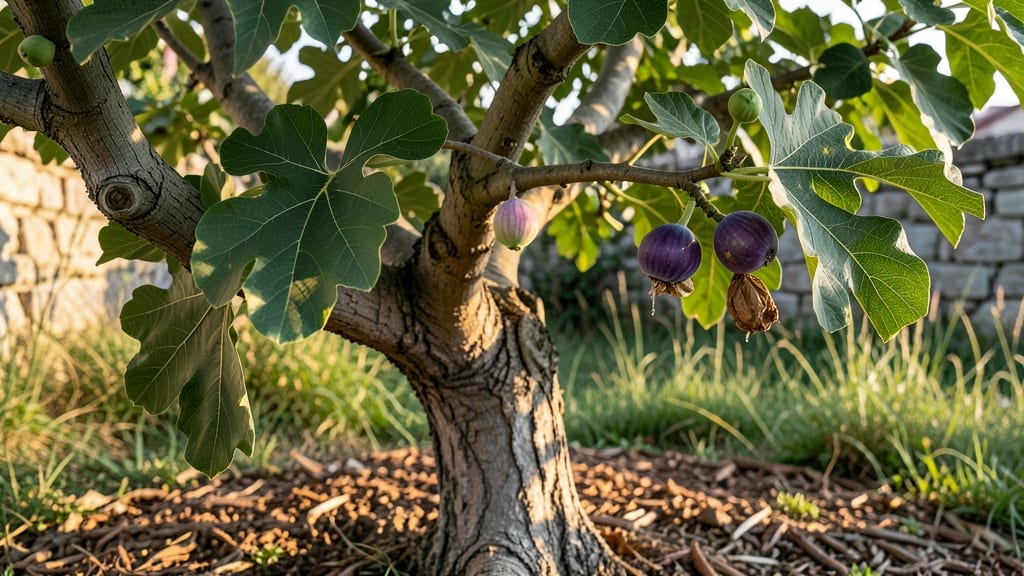
The fig tree fruit cycle transforms a single flower into a sweet harvest in just 3-6 months, but timing it right depends on your variety and climate—miss the window, and you could end up with a tree full of leaves and no fruit.
Picture this: You’ve nurtured your 🍈 fig tree all spring, watching for those first fuzzy flowers, only to see them drop without a trace. Or worse, your figs stay small and hard, refusing to ripen. These aren’t just bad luck—they’re clues about where your tree’s cycle went off track.
In this guide, I’ll break down the exact stages of the fig tree fruit cycle, from pollination to harvest, and show you how to adjust care based on your zone.
Whether you’re growing 'Brown Turkey' in Texas or 'Chicago Hardy' in Zone 6a, you’ll learn the secrets to a bountiful harvest—plus how to troubleshoot when things go wrong.
Ready to turn your fig tree from a decorative shrub into a fruit-bearing powerhouse? Let’s dive into the timeline, tricks, and troubleshooting you need to maximize every season.
Fig tree fruit cycle timeline: months from flowering to harvest by season
Fig trees transform from blossoms to ripe fruit in a 3-6 month journey that varies dramatically by variety and climate zone. In USDA zones 7-11, 'Brown Turkey' may produce fruit in 4 months, while 'Chicago Hardy' in colder zones could take 6 months or more.
Understanding these timelines helps you predict harvests, troubleshoot delays, and choose the right variety for your region.
The cycle begins with flowering in spring, followed by the critical caprification stage (where fig wasps pollinate), then fruit swelling, and finally ripening. Each stage is sensitive to temperature shifts, water stress, and pruning timing.
For example, a heatwave in July can accelerate ripening by 2-3 weeks, while a cold snap in May may halt fruit set entirely.
Here’s how the timeline breaks down for three popular varieties in USDA zones 7-11, with adjustments for earlier or later harvests based on your local climate. Use this as your harvest calendar to plan ahead!
| Stage | 'Brown Turkey' (Zones 7-11) | 'Celeste' (Zones 8-11) | 'Chicago Hardy' (Zones 4-8) |
|---|---|---|---|
| Flowering | May - Early June | Late April - May | June - Early July |
| Caprification (Wasp Pollination) | June (Peak) | May - June | July (Delayed) |
| Fruit Swelling | July - Early August | June - July | August |
| Color Change (Green → Brown/Purple) | Late August | Late July - Early August | September |
| Harvest Window | September - October | August - September | October - November |
| Total Cycle Time | 4-5 months | 3.5-4.5 months | 5-6 months |
| Note: Timelines shift 1-2 months earlier in southern zones (10-11) and 1-3 months later in northern zones (4-6). | |||
If you live in USDA zone 10 or 11, your 'Brown Turkey' figs might ripen as early as August, while gardeners in zone 7 could see harvests stretch into late October.
The 'Celeste' variety, known for its early ripening, often produces fruit 30-45 days faster than 'Brown Turkey' in the same climate. Meanwhile, 'Chicago Hardy'—a cold-hardy choice—may not even flower until June or July, delaying harvests until fall or early winter.
One of the most critical factors in this timeline is caprification, the process where fig wasps pollinate the flowers. Without these tiny pollinators, your figs may remain small and hard.
In urban areas or greenhouse settings, you can hand-pollinate by gently shaking branches during peak flowering (usually late May to June) to encourage wasp activity.
During the fruit swelling stage (typically July-August), your figs will grow rapidly in size. This is when water stress becomes a major risk—underwatering can cause fruit drop, while overwatering may lead to cracked skin.
Aim for deep watering 2-3 times per week during this phase, especially in containers or sandy soil.
By late summer, you’ll notice the skin color changing from green to brown, purple, or pink, depending on the variety. This is your final cue that harvest is near!
For 'Brown Turkey', look for deep brown skin and a slightly soft texture when gently squeezed. 'Celeste' figs, on the other hand, develop a pinkish hue and may even split open slightly at the top—this is a sign
Why some fig trees skip harvests: common cycle disruptions and fixes
If your fig tree is producing leaves but no fruit, don’t panic—it’s not a sign of failure. Many gardeners face blank seasons where their trees skip harvests entirely.
The fig tree fruit cycle is delicate, and even small disruptions can halt fruit production. Understanding these common issues is the first step to restoring your harvest.
Fig trees rely on a precise balance of temperature, pollination, and pruning timing to set fruit. A single misstep—like a late frost, improper pruning, or insufficient sunlight—can trigger a skip cycle. The good news? Most issues are reversible with targeted adjustments to your care routine.
⚠️ callout warning ⚠️
🚨 3 Critical Triggers of Fig Tree Blank Seasons
Cold Snaps: Figs need consistent warmth (above 50°F) to set fruit. Even a single night below 40°F can abort flower buds before they develop.
Poor Pollination: Figs rely on fig wasps for pollination. Without them, flowers won’t develop into fruit. Urban gardens often miss this natural step.
Over-Pruning: Cutting back too aggressively removes fruit-bearing wood. Figs produce fruit on current season’s growth, so heavy pruning can reset the cycle.
Action: Check your last frost date and protect young trees with frost cloth. Introduce fig wasps or hand-pollinate. Prune only in late winter to preserve fruit wood.
One of the most common reasons for skipped harvests is improper pollination. Unlike many fruit trees, figs depend on fig wasps to pollinate their flowers. If you’re growing figs in an urban or greenhouse setting, these beneficial insects might not find their way to your tree.
The solution? Hand-pollination using a small paintbrush to transfer pollen from one flower to another.
Another frequent culprit is over-pruning. Figs produce fruit on current season’s growth, so aggressive pruning in the wrong season can remove potential fruit-bearing branches. Always prune fig trees in late winter (just before buds swell) to avoid cutting back fruit wood.
Focus on removing dead or crossing branches while preserving the tree’s structure.
For gardeners in warmer climates (USDA zones 8-11), forcing a secondary crop can help maximize yields. After your main harvest, prune back 1/3 of the tree and fertilize lightly.
This encourages new growth that can produce a smaller fall harvest. Just ensure temperatures stay above 60°F for successful fruit set.
Finally, soil health plays a surprising role. Figs thrive in well-draining, slightly alkaline soil (pH 6.0-7.0). Compacted or nutrient-poor soil can stress the tree, leading to skipped cycles.
Test your soil and amend with compost or aged manure if needed. A balanced fertilizer (6-12-12 NPK) applied in early spring can also boost fruit production.
With these adjustments, you can turn a blank season into a productive one. Start by identifying which trigger applies to your tree, then take corrective action. Patience and precision are key—your fig tree will reward you with a bountiful harvest! 🌱