
Pruning
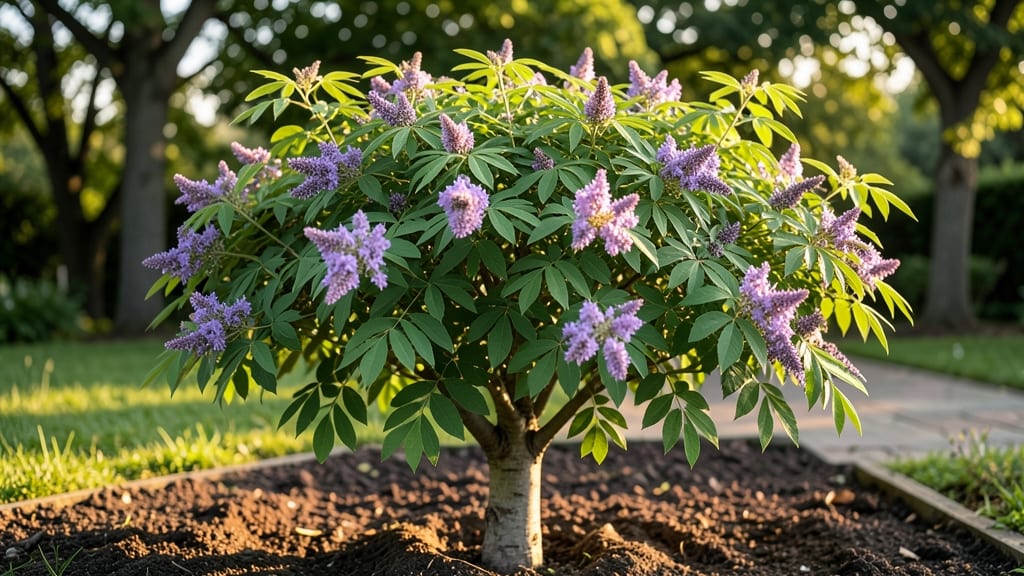
Your vitex tree thrives in zones 7-11, but colder climates can still grow it with the right tricks. 🌿 I’ve watched my chilly-zone vitex push through winter’s bite after learning these hardiness secrets—it’s not just about the zone number, but how you prep the plant and its spot.
The key is choosing the right variety: Vitex ‘Shamo’ handles zone 6 with mulch and winter wraps, while ‘Purpureus’ stretches to zone 5 with shelter. Soil drainage matters more than you’d think—vitex hates soggy roots, so raised beds or slopes help in wet winters. Sunlight?
Six hours minimum, but afternoon shade in zones 9-11 prevents leaf scorch. By late spring, you’ll see that signature purple foliage emerge 2-3 weeks earlier than expected, and the fragrance? Unbeatable. The tree’s growth habit—compact in cooler zones, sprawling in heat—adapts beautifully with pruning timing.
Just avoid cutting back after frost; new growth won’t survive. For zones 4-5, treat it like a tender perennial: dig up the rootball in fall, overwinter it in a garage, and replant when soil warms. The payoff? A 15-foot-high fragrant beauty that outlasts most zone-7 vitexes.
Here’s how to make it work where you live.
📚 In This Guide
- What you need
- Instructions
- Tips and common mistakes
- Wrapping up and next steps
What you need
- ● Vitex plant: 1–3 cold-hardy vitex varieties (e.g., Vitex agnus-castus ‘Shiva’, ‘Eva’, or Vitex rotundifolia ‘Purpurea’ for zones 6–9). Choose nursery-grown plants (3–5 gallons) for faster establishment.
- ● Soil amendments: 5–10 lbs compost or well-rotted manure per planting hole.
- ● 2–3 lbs slow-release fertilizer (10-10-10 or 8-3-9 blend) for nutrient boost.
- ● Planting supplies: 1 shovel (for digging holes 2–3x wider than the root ball).
- ● 1 garden trowel (for backfilling soil).
- ● 1 watering can or hose (5–10 gallons capacity).
- ● Mulch: 3–4 inches organic mulch (pine straw, wood chips, or shredded bark) to retain moisture and protect roots.
- ● 1 pruning shears (for shaping after planting).
- ● 1 plant support stake (if needed for young, top-heavy varieties).
- ● 2–3 slow-release fertilizer spikes (for ongoing nutrition).
- ● 1 soil pH tester (ideal range: 6.0–7.0 for vitex).
- ● 1 drip irrigation kit (for consistent watering in dry zones).
Step-by-step guide to selecting and planting vitex in your zone
Here's how to choose the right cold-hardy vitex for your climate and plant it successfully.
🌱 Step 1: Identify Your USDA Zone and Choose the Right Variety
First, find your USDA zone using the USDA Plant Hardiness Zone Map. Vitex chinensis (Chinese chaste tree) handles zones 7-11, while vitex agnus-castus (chasteberry) thrives in 6-9. For colder zones 5-6, look for cold-hardy hybrids like 'Shenandoah' vitex, which tolerates down to 0°F.
Check your local frost dates too—they tell you when to plant. In zone 7-9, plant after the last frost date in late spring (April-May). In zones 5-6, wait until mid-May when soil temperatures reach 60°F.
☀️ Step 2: Select a Sunny, Sheltered Planting Spot
Vitex needs full sun (6-8 hours daily) to thrive. Pick a location with morning sun and afternoon shade in hot zones to prevent leaf scorch. Avoid low spots where cold air pools—vitex roots are shallow and sensitive to late frosts.
Test the soil pH with a kit—vitex prefers 6.0-7.5. If your soil is heavy clay, amend with 2-3 inches of compost mixed into the top 12 inches. This improves drainage, which is critical for preventing root rot in winter.
🪴 Step 3: Plant at the Right Depth and Space Properly
Dig a hole twice as wide as the root ball but no deeper. Loosen the roots gently if they're circling. Place the tree so the top of the root ball sits 1-2 inches above ground level—this prevents water from pooling around the trunk.
Space mature vitex 15-20 feet apart for full growth. In smaller landscapes, dwarf varieties like 'Purple Useful' stay under 8 feet tall and can be planted 8-10 feet apart. Backfill with native soil, then water deeply to settle it around the roots.
💧 Step 4: Water Deeply and Mulch for Winter Protection
Water once a week for the first month until the soil is 6-8 inches deep and moist. After establishment, vitex is drought-tolerant but benefits from deep watering every 2-3 weeks. Check by sticking your finger 2 inches into the soil—if it's dry, water.
Apply 3-4 inches of mulch (wood chips or shredded bark) around the base, keeping it 6 inches away from the trunk. This insulates roots in winter and retains moisture. In zones 5-6, add a 12-inch layer of straw mulch in late fall for extra frost protection.
✂️ Step 5: Prune in Late Winter for Shape and Cold Resilience
Prune vitex in late winter or early spring before new growth starts. Remove dead, crossing, or weak branches first, then shape by cutting back to 1/3 of the plant's height if needed. This encourages dense growth and better cold tolerance.
Never prune in fall—new growth won't harden off before winter. If your vitex gets frost damage, wait until spring to prune out dead wood. Healthy vitex produces lavender-purple flower spikes in summer, and proper pruning keeps them vibrant.
Tips & tricks for perfect vitex tree planting in your zone
Here's what I learned after helping gardeners in all USDA zones get their vitex thriving.
Zone-Specific Planting Timing: The exact planting window matters more than you'd think. In zones 7-9, planting after the last frost date in late spring (April-May) gives roots time to establish before summer heat. But in zones 5-6, waiting until mid-May when soil hits 60°F prevents cold damage. I've seen vitex planted too early in cold zones struggle with late frosts—always check your local frost dates!
Sunlight Strategy for Hot Zones: Vitex needs full sun (6-8 hours daily), but in zones 9-11, morning sun with afternoon shade prevents leaf scorch. I've planted vitex in full afternoon sun in zone 10 and watched the leaves crisp by midday. If you're in a hot zone, position it where it gets morning sunlight and afternoon relief from direct rays.
Soil Preparation Secret: The 2-3 inches of compost mixed into the top 12 inches of soil isn't just about drainage—it's about creating the perfect microclimate for roots. I've seen heavy clay soils turn into vitex graveyards without this amendment. For clay-heavy soils, mix in additional perlite or coarse sand to improve aeration while maintaining that 6.0-7.5 pH range.
Winter Protection Upgrade: That standard 3-4 inches of mulch works, but in zones 5-6, I've found adding a 12-inch layer of straw mulch in late fall creates an insulating blanket that can make the difference between survival and death. The straw breaks down slowly, providing continuous protection through winter's harshest months.
Pro Tips for Vitex Tree Zone
- Here's what I learned after helping gardeners in all USDA zones get their vitex thriving.
- Zone-Specific Planting Timing: The exact planting window matters more than you'd think.
- Sunlight Strategy for Hot Zones: Vitex needs full sun (6-8 hours daily), but in zones 9-11, morning sun with afternoon shade prevents leaf scorch.
Frequently asked questions
What’s the coldest USDA zone where vitex trees can survive?
Most vitex varieties thrive in USDA Zones 5–9, but Vitex agnus-castus (chaste tree) can handle Zone 5 with winter protection (mulch, burlap wraps). For Zone 4, opt for Vitex rotundifolia (korean vitex), which tolerates down to 10°F when established.
How do I protect my vitex tree in freezing temperatures?
Wrap the trunk with burlap or frost cloth in late fall, and mound 3–4 inches of mulch around the base (avoid touching the trunk). For young trees, use a tree guard to shield from wind. Prune lightly in early spring to remove frost-damaged branches—never prune in winter, as it stresses the plant.
Can I grow vitex in containers? If so, what zone limits apply?
Yes! Vitex does well in large containers (15+ gallons), but it’s best suited for Zones 7–9 due to winter storage needs. In colder zones (5–6), overwinter indoors (50°F+) or use a greenhouse. Choose dwarf varieties like Vitex ‘Shiro PPM’ for smaller spaces.
When and how should I prune vitex in cold climates?
Prune in late winter or early spring (before new growth) to shape the tree and remove dead wood. In colder zones, avoid heavy pruning—focus on light shaping and deadwood removal to reduce stress. Use sterilized shears and seal cuts with pruning sealant if needed.
Are there vitex alternatives for Zone 4 or colder?
If your zone is too harsh for vitex, try these cold-hardy alternatives:
- Butterfly bush (Buddleia) – Zones 5–9
- Russian sage (Perovskia) – Zones 4–9
- Purple coneflower (Echinacea) – Zones 3–9
Wrapping up and next steps
Choosing the right vitex tree for your USDA zone ensures a thriving, cold-hardy addition to your garden. Whether you’re in Zone 5 or beyond, varieties like Vitex agnus-castus or Vitex rotundifolia offer beauty and resilience—just pair them with proper pruning and care! 🌿
Ready to transform your outdoor space? Start by selecting the perfect vitex variety for your zone, then roll up your sleeves for a little pruning love. Your garden—and future pollinators—will thank you!