
Pruning
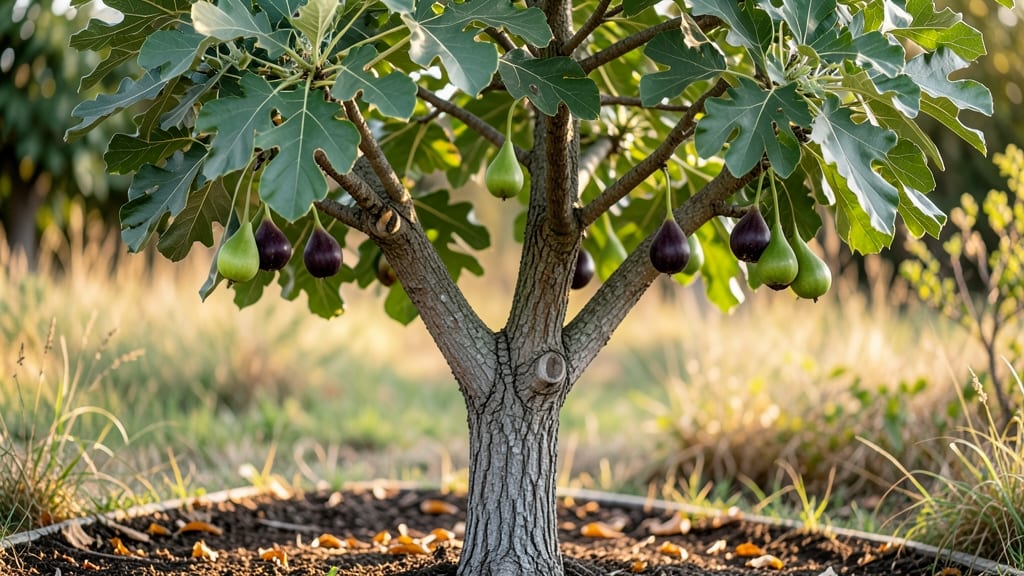
Understanding the fig tree timeline isn’t just about pruning—it's a seasonal dance of growth, fruit, and survival that changes dramatically between zones. 🌿 I learned this the hard way when my Zone 7 fig produced nothing for two years because I pruned at the wrong time.
The key is matching your cuts to the tree's natural rhythm, whether you're in frost-prone areas or mild-winter climates where figs grow like weeds.
Figs bloom and fruit on new wood, so timing matters more than intensity. In colder zones, you'll focus on winter protection and late-winter pruning (after last frost) to encourage fresh growth.
Warmer climates can prune anytime, but harvest timing shifts—some varieties fruit twice a year! The real magic happens when you align your cuts with the tree's energy cycles, not just calendar dates.
By following this schedule, you'll end up with healthier branches, earlier harvests, and trees that produce consistently for decades. The payoff? Juicy figs that ripen from late summer through fall, with minimal work. Even my black thumb finally got this right after tracking growth stages for three seasons.
We'll break it down by zone—what to prune, when to protect, and how to tell when your tree is ready for its next growth spurt. No more guessing, just predictable results that work whether you're in Florida or Oregon. Let's get your fig tree on the right schedule!
📚 In This Guide
- What you need
- Instructions
- Tips and common mistakes
- Wrapping up and next steps
What you need
- ● Pruning shears: Bypass pruners (sharp, clean, and sterilized with rubbing alcohol to prevent disease spread). Quantity: 1 pair.
- ● Loppers: For thicker branches (1.5"–2" diameter). Quantity: 1 pair.
- ● Hand saw: Pruning saw with a fine-toothed blade for larger branches (>2" diameter). Quantity: 1.
- ● Gloves: Heavy-duty gardening gloves (cut-resistant for safety). Quantity: 1 pair.
- ● Disinfectant: 70% isopropyl alcohol or bleach solution (1 part bleach to 9 parts water) for sterilizing tools.
- ○ Pruning sealant (optional but recommended): Tree wound sealant (e.g., Tanglefoot Tree Wound Pruning Seal) for cuts >0.5" in diameter.
- ● Ladder or step stool: If your fig tree is taller than 6–8 feet. Safety first!
- ● Bucket or trash bag: For collecting pruned branches and debris.
- ● Notebook & pencil: To track cuts, dates, and growth notes (helpful for long-term planning!).
- ● Safety glasses: Protect your eyes from debris.
- ● Long-sleeve clothing: To avoid scratches or thorns.
- ● Hose or water spray bottle: To clean tools mid-pruning and rinse sap off cuts.
- ● Tree growth regulator: Such as Bonide Fruit & Flower to encourage healthier regrowth (apply post-pruning).
- ● Mulch: Organic mulch (e.g., wood chips) to replenish after pruning and retain moisture.
Instructions: fig tree pruning by season and Zone
Here's the seasonal pruning schedule I've used for years to keep fig trees thriving—whether you're in a warm coastal zone or a chilly inland region.
⏰ Step 1: Late Winter Pruning (Zones 7-10)
After the last frost but before buds swell, prune your fig tree to shape it and remove dead wood. I start by cutting out any branches that died over winter—they'll be dry and brittle, snapping easily when bent. Use clean, sharp pruners to make cuts just outside the branch collar (the swollen area where the branch meets the trunk).
For young trees, remove up to one-third of the total growth to encourage a strong framework. In warmer zones (9-10), you can prune lightly even in early spring, but wait until late winter in cooler zones (7-8) to avoid frost damage. Watch for signs of new growth—when you see tiny green buds forming, it's time to stop pruning for the season.
☀️ Step 2: Summer Light Pruning (All Zones)
During the growing season, I do minimal pruning—just enough to maintain shape and airflow. Remove any branches that rub together or grow inward, as these can create wounds where diseases enter. You'll also want to trim back any suckers (shoots growing from the base) to redirect the tree's energy into fruit production.
In hot climates, avoid heavy pruning in summer—it stresses the tree when it's already working hard to produce fruit. Instead, just do light maintenance pruning after harvest. If your tree has become overgrown, you can remove up to 10-15% of the foliage in stages over the summer to avoid shocking it.
✂️ Step 3: Post-Harvest Pruning (Fall)
After the figs are picked, I give the tree a final trim to prepare it for winter. Remove any dead or diseased branches first—these are easy to spot as they'll be brown and crispy. Then, thin out crowded branches to improve airflow, which helps prevent fungal issues. I also cut back any long, leggy growth that doesn't contribute to the tree's structure.
In colder zones (7-8), prune more aggressively now to protect the tree from frost. You can cut back up to half of the tree's height if needed, but leave at least 3-4 strong branches to ensure regrowth. In warmer zones (9-10), a lighter prune is enough—just enough to tidy up and encourage new growth for next year's crop.
❄️ Step 4: Winter Protection (Zones 6 and Below)
For fig trees in colder climates, winter protection is just as important as pruning. After your final fall prune, wrap the tree in burlap or frost cloth to shield it from freezing winds. I also mound 6-12 inches of mulch around the base to insulate the roots—this helps prevent frost heave and keeps the soil temperature stable.
If you're in zone 6 or colder, consider digging up container-grown fig trees and storing them in a garage or cold basement over winter. Keep the soil slightly moist but not soggy, and bring them back outside after the last frost. Even in these zones, fig trees can thrive with the right care—just be patient and give them time to establish.
Tips & tricks for perfect fig tree pruning
These seasonal pruning tips will help you keep your fig tree healthy and productive year after year—no matter where you live.
Tool Prep: Always sterilize your pruners with rubbing alcohol or a bleach solution between cuts. This prevents spreading disease from dead branches to healthy ones. I also recommend using sharp pruners—they make clean cuts that heal faster than jagged ones. For larger branches, I keep a small saw handy to avoid tearing the bark.
Zone-Specific Timing: In Step 1, pay close attention to your local frost dates rather than calendar months. I check my local weather service for the "average last frost date" and schedule my late winter pruning 2-3 weeks after that. In Zone 8, this might be early February, while in Zone 10, it could be late February or even March. The key is to prune when buds are still dormant but after the worst frost danger has passed.
Visual Growth Cues: When deciding when to stop pruning in Step 1, look for tiny green buds forming at the branch tips. These are your signal to halt pruning for the season. I also check for sap flow—if you see sap bleeding from a cut, it's a sign the tree is waking up and you should stop pruning immediately. This sap flow usually appears when daytime temperatures consistently reach the 50s°F.
Summer Pruning Strategy: During Step 2, focus on removing only what's absolutely necessary. I prioritize branches that are rubbing against each other first, then address suckers growing from the base. For overgrown trees, spread your pruning over multiple sessions—never remove more than 10-15% of foliage in one go. This gradual approach prevents stress that could reduce fruit production.
Pro Tips for Fig Tree Timeline
- These seasonal pruning tips will help you keep your fig tree healthy and productive year after year—no matter where you live.
- Tool Prep: Always sterilize your pruners with rubbing alcohol or a bleach solution between cuts.
- Zone-Specific Timing: In Step 1, pay close attention to your local frost dates rather than calendar months.
Frequently asked questions
Got questions about timing, techniques, or troubleshooting your fig tree’s seasonal pruning? Here are some of the most common queries—and their answers—to keep your tree thriving year-round.
When is the best time to prune a fig tree in Zone 8?
For Zone 8, late winter (just before buds swell) or early spring (after last frost) is ideal. Avoid pruning in fall—it can stimulate new growth that won’t harden off before winter. If you’re in a mild winter area, a light pruning in late summer (after harvest) can also help manage size.
Can I prune fig trees in cold climates (Zones 6-7) during winter?
No—wait until late winter or early spring (when temps stay above freezing) to prune. Cold snaps can stress freshly cut branches. If your tree is dormant, prune just before growth resumes (usually February–March). For heavy pruning, Zone 6-7 trees benefit from a second light trim in late summer to encourage next year’s fruit.
How do I know if I’ve pruned too much?
If you see no new leaves by early spring or the tree looks overly skeletal, you may have over-pruned. A good rule: Never remove more than 20-30% of the canopy in one season. Figs are resilient but need at least 3-5 healthy branches to support fruit production. If in doubt, prune conservatively and monitor regrowth.
Will pruning my fig tree reduce next year’s harvest?
Not if done correctly! Pruning improves air circulation and sunlight exposure, which can increase fruit quality and yield. However, avoid heavy pruning in fruit-bearing years—focus on shaping and removing dead wood. For young trees (under 3 years), pruning encourages stronger structure and future productivity.
What’s the difference between “hard” and “soft” pruning for figs?
Hard pruning
(cutting back to the ground or main trunk) is for rejuvenating old trees or after severe damage. Soft pruning (trimming only outer growth) is for shaping, disease prevention, and annual maintenance. Most figs thrive with soft pruning—reserve hard pruning for every 3-5 years or after winter dieback.
Still unsure? Snap a photo of your tree’s current state and compare it to pruning guides for your zone—figs are forgiving, but timing and technique make all the difference!
Wrapping up and next steps
From tropical blooms to temperate pruning, understanding your fig tree timeline ensures a thriving harvest year-round. 🌳 Whether you’re in Zone 3 or Zone 11, timing and technique are key to maximizing fruit production and plant health.
Armed with the right tools, knowledge, and seasonal schedule, you’re now ready to nurture your fig tree like a pro!
Ready to take the next step? Mark your calendar, gather your pruners, and start observing your tree’s unique growth patterns. Happy pruning—and here’s to a bountiful harvest ahead! 🍇✨