
Container Gardens
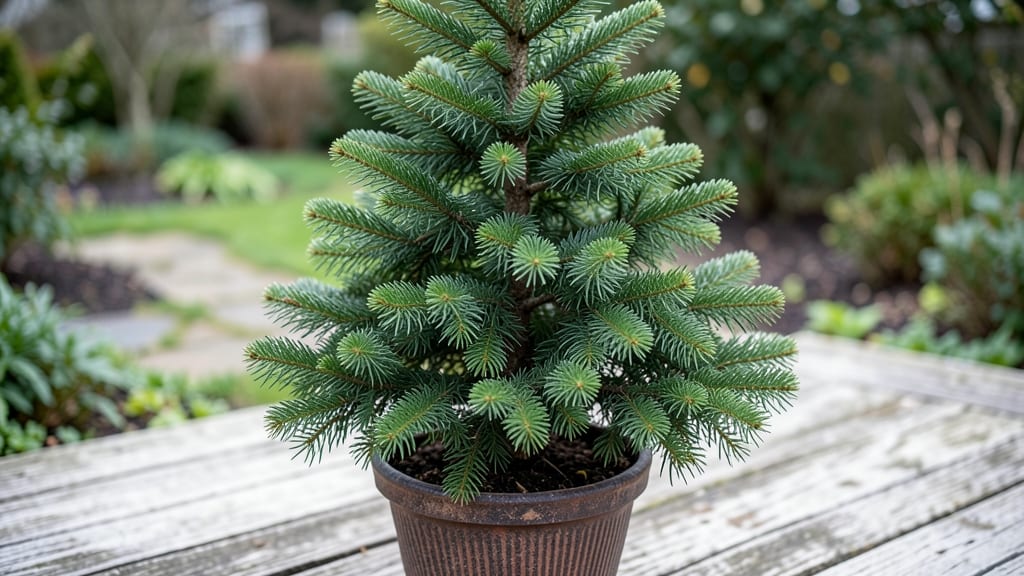
A potted fir tree brings that fresh-cut forest scent to your porch all year long. 🌲 I’ve had mine for three winters now, and it’s still thriving—no brown needles, no leggy growth, just that rich evergreen presence that makes my front door feel like a holiday greeting every month.
The secret isn’t complicated: it’s about the right container, soil, and a few simple care tweaks that keep roots happy without smothering them.
First, pick a container at least 12 inches deep with drainage holes—fir trees hate soggy feet. Use a mix of 50% potting soil, 30% perlite, and 20% peat moss to mimic their natural, well-draining forest floor.
Place your pot where it gets morning sun and afternoon shade, especially in hot climates, because direct afternoon sun scorches those delicate needles faster than you’d think.
Watering’s the trickiest part: keep the soil evenly moist but never soggy. Stick your finger in—if the top inch feels dry, water until it drains from the bottom. In winter, cut back to once every 10-14 days unless your home’s heat is blasting.
Prune only to shape in late winter, and never trim more than 10% of the foliage at once, or you’ll shock the tree into dropping needles like it’s shedding for spring.
Root-bound issues are the real villain here. If roots circle the pot like a pretzel, it’s time to repot every 2-3 years in spring. Use a container 2-3 inches wider than the last, and tease those roots apart gently—no chopping!
With the right setup, your potted fir will stay lush, fragrant, and problem-free for decades, proving that container evergreens aren’t just for Christmas.
📚 In This Guide
- What you need
- Instructions
- Tips and common mistakes
- Wrapping up and next steps
What you need
- ● Fir Tree Sapling: Choose a dwarf or semi-dwarf variety (e.g., Picea pungens 'Glauca Globosa' or Abies concolor 'Compacta') for container success. Size: 1–3 gallons (12–18 inches tall).
- ● Pot: 1 large container (18–24 inches in diameter) with drainage holes. Terracotta or fabric pots work best.
- ● High-Quality Potting Mix: 1 bag (1–2 cubic feet) of well-draining, acidic mix (pH 5.0–6.0). Add peat moss or pine bark for extra acidity.
- ● Gravel or Perlite: 1–2 cups for the drainage layer.
- ● Slow-Release Fertilizer: 1 packet of balanced, acid-loving plant fertilizer (e.g., 10-10-10 or 14-14-14).
- ● Garden Gloves (to protect your hands from sharp bark).
- ● Trowel or Spade (for planting and repotting).
- ● Watering Can with a rose attachment (for gentle watering).
- ○ Mulch: 1–2 inches of pine bark or wood chips (optional but helpful for moisture retention).
- ● Pot Saucer or Tray (to catch runoff and protect surfaces).
- ○ Plant Support (Optional): A small stake or cage if your fir grows tall and needs stability.
Step-by-Step guide to potting and maintaining fir trees
Here's how to bring evergreen elegance indoors—with healthy roots and vibrant foliage.
🪴 Step 1: Select the Right Container and Drainage
Fir trees need room to grow, so choose a container at least 12 inches deep with multiple drainage holes. I recommend unglazed ceramic or fabric grow bags—they allow excess moisture to escape while keeping roots cool. Avoid plastic unless it's specifically labeled for large container plants, as it traps heat and can stress roots.
If your chosen pot lacks drainage, drill ¼-inch holes along the bottom and sides. Line the container with landscape fabric to prevent soil from washing out while still allowing water to drain freely. The extra layer also helps prevent root circling—a common issue in repotted firs that weakens the tree over time.
🌱 Step 2: Prepare the Soil Mix for Optimal Drainage
Fir trees despise soggy roots, so blend 60% acidic potting mix (pH 4.5-6.0) with 30% perlite or pumice and 10% peat moss or coconut coir. This lightweight mix mimics their natural forest floor while preventing compaction. I always mix in ½ cup slow-release fertilizer per 12-inch pot to give the tree a nutrient boost during its first season.
Fill the container ⅓ full with your mix, then tap the sides gently to settle the soil. Avoid packing it down—fir roots need air pockets to breathe. The goal is a loose, crumbly texture that holds moisture without becoming waterlogged. If you press it and it holds its shape, add more perlite.
✂️ Step 3: Transplant the Fir Tree with Care
Gently remove the fir from its nursery pot and loosen the root ball by sliding a knife around the edges. If roots are circling tightly, prune them back with clean shears—this encourages outward growth. Place the tree in the container so the top of the root ball sits 1 inch below the rim. This prevents soil from spilling out as you water and gives the tree stability.
Fill the remaining space with your soil mix, pressing lightly around the edges to eliminate air pockets. Water thoroughly until it drains from the bottom holes, then let it sit for 10 minutes before adding a 2-inch layer of pine bark mulch on top. This mimics their woodland habitat and keeps moisture levels steady without compacting the soil.
☀️ Step 4: Position for Light and Humidity
Fir trees thrive in bright, indirect light—think east or north-facing windows where they get 4-6 hours of morning sun. Avoid harsh afternoon rays, which can scorch needles. If natural light is limited, supplement with a full-spectrum LED grow light positioned 12-18 inches away for 12-14 hours daily. You’ll know the light is right when new growth stays deep green, not yellowing.
Mist the tree daily or place the pot on a pebble tray filled with water to maintain 60-70% humidity. Fir needles are delicate and dry out quickly in indoor air. Grouping the pot with other plants also creates a microclimate that retains moisture longer. Watch for drooping needles—this is your cue to increase humidity or water more frequently.
💧 Step 5: Water and Maintain Year-Round
Water when the top 2 inches of soil feel dry—stick your finger in to check. Fir trees prefer consistent moisture but never soggy soil. In winter, reduce watering to every 10-14 days, as cooler temperatures slow evaporation. Always water slowly at the base to avoid wetting the needles, which can lead to fungal issues like needle blight.
Fertilize monthly in spring and summer with an acid-loving plant formula, cutting back to every 6 weeks in fall and winter. Over-fertilizing causes salt buildup, which burns roots. Prune only to shape—never to reduce size—using clean, sharp shears after the tree finishes growing in late summer. Seal cuts with pruning wax to prevent disease.
Tips & tricks for perfect potted fir trees
A few simple strategies can transform your fir tree from a temporary holiday decoration into a thriving indoor centerpiece.
Container Size Matters: While the instructions specify a container at least 12 inches deep, I recommend choosing one that's 2-3 inches wider than the root ball for better stability. This extra space prevents the tree from becoming root-bound too quickly, which can stunt its growth. If you're working with a larger tree, opt for a container that's proportionate—never more than 25% wider than the root ball to avoid excessive soil volume that stays too wet.
Soil Mix Secrets: The 60-30-10 soil blend in Step 2 is perfect, but here's what I've learned about the ingredients: always sift your acidic potting mix to remove any large clumps before mixing. For the 30% perlite or pumice, I prefer pumice because it holds moisture slightly better while still providing excellent drainage. When mixing, add the slow-release fertilizer last—this helps distribute it evenly throughout the blend. The fertilizer should be specifically formulated for acid-loving plants to match the tree's natural soil preferences.
Transplanting Technique: In Step 3, when you're loosening the root ball, don't rush this process. Gently tease apart any tightly bound roots with your fingers rather than using tools, which can damage delicate root tips. After placing the tree in its new container, I recommend giving the soil a final gentle press around the edges—not to compact it, but just to eliminate any remaining air pockets. This helps the roots make immediate contact with the moist soil, encouraging faster establishment.
Light Positioning: The 4-6 hours of morning sun in Step 4 is ideal, but here's what I've discovered about positioning: rotate your tree a quarter turn every 2-3 weeks to ensure even growth. Fir trees naturally grow toward the light, so without rotation, they'll develop a lopsided appearance. If you notice new growth leaning toward one window, it's your cue to move the tree or supplement with a grow light on the opposite side to encourage balanced development.
Pro Tips for Fir Tree Potted
- A few simple strategies can transform your fir tree from a temporary holiday decoration into a thriving indoor centerpiece.
- Container Size Matters: While the instructions specify a container at least 12 inches deep, I recommend choosing one that's 2-3 inches wider than the root ball for better stability.
- Soil Mix Secrets: The 60-30-10 soil blend in Step 2 is perfect, but here's what I've learned about the ingredients: always sift your acidic potting mix to remove any large clumps before mixing.
Frequently asked questions
Got questions about keeping a fir tree potted thriving? You’re not alone! Here are answers to the most common queries from gardeners just like you.
Can a fir tree survive long-term in a pot?
A fir tree can live in a pot for years, but it needs the right conditions. Choose a large container (at least 15–20 gallons) with drainage holes and use well-draining soil. Root-bound trees may struggle, so repot every 2–3 years or prune roots if needed. Dwarf varieties handle containers better than full-sized trees.
How do I protect my potted fir tree in winter?
Fir trees are cold-hardy, but potted specimens need extra care. Move containers to a sheltered spot (like a garage or under an eave) before temps drop below 20°F (-7°C). Wrap the pot in bubble wrap or burlap to insulate roots, and avoid overwatering—soil should stay slightly moist, not soggy.
What’s the best soil mix for a potted fir tree?
Use a lightweight, acidic mix (pH 4.5–6.0) like a blend of peat moss, pine bark, and perlite. Avoid heavy garden soil—it compacts and suffocates roots. For extra drainage, add orchid bark or coarse sand. A slow-release fertilizer (like 10-10-10) in early spring keeps it happy!
Why is my potted fir tree dropping needles?
Needle drop is often due to stress. Check for:
- Overwatering (yellow needles = soggy roots)
- Underwatering (brown, crispy needles)
- Sunburn (bleached tips = too much direct sun)
- Pests (aphids or spider mites cause discoloration)
Are there fir tree alternatives that thrive in pots?
If firs seem tricky, try these low-maintenance evergreens for containers:
- Dwarf Alberta Spruce (compact, cold-hardy)
- Creeping Juniper (spiller variety, drought-tolerant)
- Dwarf Mugo Pine (hardy, slow-growing)
- Boxwood ‘Green Velvet’ (neat, versatile)
Wrapping up and next steps
Growing a fir tree in a potted container is a rewarding way to bring evergreen beauty into your space year-round—whether on a patio, balcony, or indoors! 🌲 With the right soil, drainage, and care, you’ll enjoy lush foliage and fresh pine scents for seasons to come.
Whether you’re a seasoned gardener or just starting out, this versatile tree adapts beautifully to containers.
Now that you’re equipped with the key tips and answers, why not take the next step? Pick your favorite fir variety, gather your supplies, and start potting today! Your future green oasis awaits—happy planting! 🌱