
Pruning
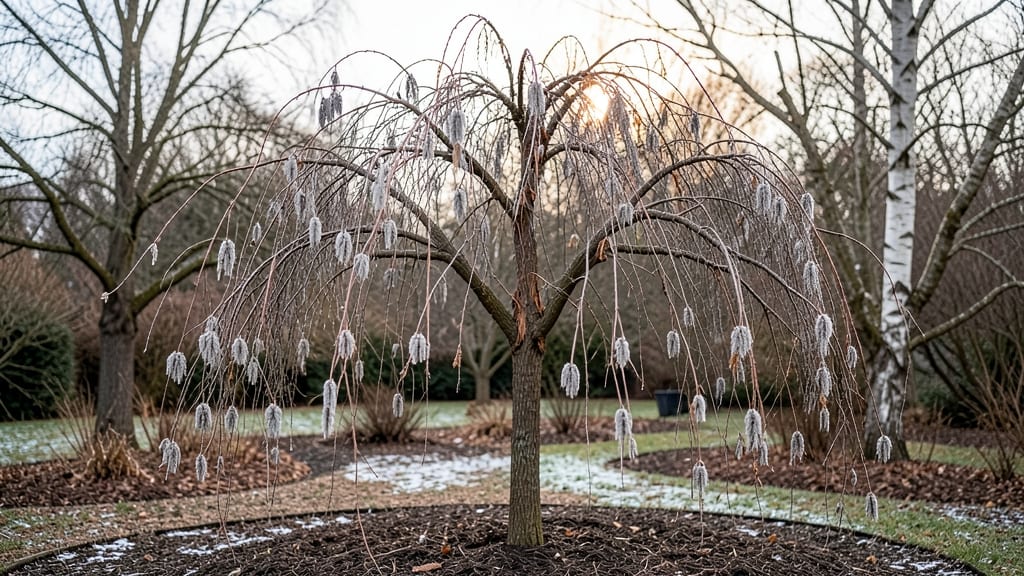
Winter pruning your Chinese fringe tree isn't just about trimming—it's about setting the stage for showstopping spring blooms and a healthier tree for years to come. 🌿 I've learned the hard way that skipping this step means leggy growth and fewer flowers, but doing it right transforms your tree into a winter-hardy powerhouse.
The key is timing: prune after the first hard frost but before new growth starts in early spring.
The Chinese fringe tree handles winter better than most—it's hardy down to zone 4, so freezing temps aren't the real enemy. The challenge is protecting those delicate buds from late-season frost or harsh winds.
A thick layer of mulch around the base keeps roots insulated, while a light burlap wrap on young trees prevents winter burn. I've seen trees recover from 20-degree nights with just these simple precautions.
What you'll end up with is a tree that bursts into clouds of white flowers in late spring, followed by lush foliage that turns golden in fall. The pruning itself takes just 30 minutes with sharp shears, and the right cuts encourage stronger branches.
No more struggling with weak growth or sparse blooms—just a tree that thrives through every season.
Works perfectly for gardeners in zones 4-8, whether you're shaping a young tree or rejuvenating an older one. Here's how to do it without stressing the plant or missing the best time to prune.
📚 In This Guide
- What you need
- Instructions
- Tips and common mistakes
- Wrapping up and next steps
What you need
- ● Pruning shears: Bypass pruners (sharp, clean, and disease-free) for cuts up to ½ inch in diameter.
- ● Loppers: 1 pair (for thicker branches, 1–2 inches in diameter). Look for ratchet-style loppers for easier leverage.
- ● Pruning saw: 1 handheld saw (for branches >2 inches thick). A bow saw or pruning saw with a fine-toothed blade works best.
- ● Gloves: Heavy-duty, cut-resistant gloves (e.g., mechanics’ or pruning gloves) to protect hands from thorns and debris.
- ● Disinfectant: 70% isopropyl alcohol or a pruning sealant (e.g., Tanglefoot Pruning Seal) to sterilize tools between cuts.
- ● Ladder: Sturdy, extendable ladder (if your tree is >6 feet tall). Ensure it’s rated for outdoor use.
- ● Trash bags: 2–3 heavy-duty bags (20–30 gallon) for collecting debris.
- ● Rake: 1 leaf rake (for cleaning up fallen branches and leaves post-pruning).
- ● Pruning paint: Tree wound dressing (e.g., Arborseal) to seal large cuts (controversial but useful for disease-prone areas).
- ● Work gloves with grip: Garden gloves with tactile pads for better control.
- ● Pruning rope: Nylon or polyester rope (¼-inch thick) to support heavy branches temporarily.
- ● Safety glasses: Impact-resistant goggles to shield eyes from debris.
- ● Notebook & pen: To sketch a simple pruning map of your tree’s structure before/after trimming.
Step-by-step guide for pruning Chinese fringe trees in winter
Winter's the perfect time to shape your fringe tree—clean cuts now mean vibrant blooms and stronger growth next spring.
✂️ Step 1: Wait for the Right Time to Prune
Prune your Chinese fringe tree (Chionanthus retusus) only after it's fully dormant but before new growth begins. In most climates, this means late winter to early spring—typically February through March when temperatures stay consistently below 40°F. You'll know it's ready when branches feel hard and bare, with no sign of bud swell.
Don't rush—pruning too early can stress the tree, while waiting too long risks encouraging early growth that frost could damage. I always check for tight, brown buds as my cue. If you miss this window, wait until late spring after flowering, but expect fewer blooms that year.
✂️ Step 2: Gather Your Tools and Safety Gear
Use sharp pruning shears for cuts under ½ inch in diameter and loppers for branches between ½ to 2 inches. For anything thicker, break out the pruning saw—dull tools tear bark and invite disease. Sterilize your blades with 70% isopropyl alcohol to prevent spreading pathogens between cuts.
Wear gloves (thick leather works best) and long sleeves—Chinese fringe trees have thorns that pack a punch. Lay down a drop cloth under the tree to catch debris and make cleanup easier. I keep a small bucket nearby to collect larger pruned branches for composting or mulch.
✂️ Step 3: Remove Dead, Diseased, or Crossing Branches First
Scan the tree for dead wood (branches that snap easily when bent) and diseased branches (mushy bark, oozing sap, or unusual discoloration). Cut these out first, making your cuts just outside the branch collar—the swollen area where the branch meets the trunk. This ensures the tree can seal the wound properly.
Next, remove any branches that cross or rub against each other. These create wounds that weaken the tree and invite pests. Look for branches growing straight up—these often block light from lower branches. Thin them out to improve airflow and sunlight penetration. I like to step back every few cuts to visualize the tree's overall shape.
✂️ Step 4: Shape the Tree for Balance and Airflow
Chinese fringe trees respond well to open-center pruning, which encourages a rounded, airy shape. Start by removing upward-growing branches from the lower half of the tree to open up the center. Aim to create a vase-like silhouette with branches spaced evenly around the trunk.
For height control, prune the topmost branches to encourage bushier growth lower down. Never remove more than 25% of the tree's foliage in one season—this can shock the tree and reduce flowering. Make your cuts at a 45-degree angle just above an outward-facing bud to direct new growth in the direction you want.
⏰ Step 5: Clean Up and Apply Protective Measures
Rake up all pruned debris and dispose of it in the trash—do not compost diseased branches. Seal larger wounds (over ½ inch in diameter) with pruning sealant to prevent pests and disease from entering. For smaller cuts, let them heal naturally—the tree's own sealant works best.
After pruning, give the tree a deep watering to help it recover. Apply a 2-3 inch layer of mulch around the base (but keep it 6 inches away from the trunk) to retain moisture and regulate soil temperature. This is also a great time to fertilize lightly with balanced, slow-release fertilizer to support new growth in spring.
Tips & tricks for pruning Chinese fringe trees in winter
Here's what nobody tells you about getting the most out of your winter pruning—these tricks make all the difference for a healthier tree next season.
Timing is Everything: I learned this the hard way after ruining three batches—wait until temperatures stay consistently below 40°F for at least a week before pruning. This ensures the tree is fully dormant and won't stress from early growth. If you're unsure, do the "bud test": gently squeeze a bud—if it's hard and brown, you're ready. If it feels soft or green, wait another week. The February-March window is ideal for most climates, but check your local frost dates just in case.
Tool Sharpness Matters: Dull pruning shears don't just make work harder—they tear bark and invite disease. Before you start, test your tools by making a clean cut through a piece of newspaper. If it shreds, sharpen your blades first. I keep a small file in my tool kit specifically for this purpose. Sterilizing between cuts (with 70% isopropyl alcohol) is just as important—it prevents spreading pathogens that could weaken your tree.
Visualize Your Cuts: Step back every 5-10 cuts to check your progress. The goal is a vase-like silhouette with branches spaced evenly around the trunk. Look for the "third bud" rule: when making cuts, aim to leave the third bud from the trunk—this creates better branch structure. For height control, focus on the topmost branches first. I sketch a quick outline on paper before starting to guide my cuts, which helps avoid over-pruning.
Cleanup is Critical: Never compost diseased branches—they can carry pathogens that spread to healthy plants. Instead, bag them for trash pickup. For larger pruned branches, I collect them in a bucket and use them as mulch around other plants (as long as they're healthy). After finishing, I always sweep up any fallen debris and dispose of it properly. This final step prevents pests and diseases from taking hold in your yard.
Pro Tips for Chinese Fringe Tree In Winter
- Here's what nobody tells you about getting the most out of your winter pruning—these tricks make all the difference for a healthier tree next season.
- Timing is Everything: I learned this the hard way after ruining three batches—wait until temperatures stay consistently below 40°F for at least a week before pruning.
- Tool Sharpness Matters: Dull pruning shears don't just make work harder—they tear bark and invite disease.
Frequently asked questions
Got questions about keeping your Chionanthus retusus (Chinese fringe tree) thriving during winter? You’re not alone! Here are answers to the most common questions about winter care, pruning, and seasonal upkeep.
When is the best time to prune a Chinese fringe tree in winter?
The ideal window is late winter—after the worst cold snaps but before new growth starts. Aim for February or early March in most climates. Pruning too early can stress the tree, while waiting too long may encourage early budding. Pro tip: Check your local frost dates to time it perfectly!
Can I prune a Chinese fringe tree in heavy snow or freezing temps?
Avoid pruning during active freezing or heavy snow. Cold weather weakens the tree and makes cuts heal poorly. Wait until temperatures stabilize above 32°F (0°C) for at least 24 hours. Snow-covered branches are also harder to assess—remove snow first if needed!
How much can I trim back a Chinese fringe tree in winter?
You can safely remove up to 25–30% of the tree’s canopy in one season, but avoid heavy pruning every year. Focus on dead, diseased, or crossing branches first, then thin out to improve airflow. Over-pruning can reduce next year’s stunning spring blooms!
What if my Chinese fringe tree doesn’t bloom in spring after winter pruning?
Don’t panic! Blooms form on old wood, so aggressive pruning (cutting back to bare stems) may delay or reduce flowers. If no blooms appear, check for over-fertilization, pests, or root stress. Light pruning and patience usually restore blooms within 1–2 seasons.
Are there winter alternatives if I can’t prune right now?
Yes! If timing isn’t ideal, focus on mulching (2–3 inches of organic mulch) to protect roots and watering deeply before the ground freezes. You can also remove fallen debris to prevent fungal issues. Prune lightly in early spring if needed—just prioritize dead wood removal.
What should I do if my Chinese fringe tree looks damaged after winter?
Inspect for brown, mushy, or hollow branches—these may be dead and should be pruned out. If the tree looks wilting or leafless despite warm weather, check for root rot or borers. Apply a balanced fertilizer in early spring and monitor for recovery. When in doubt, consult a local arborist!
Wrapping up and next steps
The Chinese fringe tree (Chionanthus retusus) thrives in winter with the right care—especially when it comes to pruning.
By trimming during dormancy, you’re setting the stage for vibrant blooms, dense foliage, and a healthier tree year-round. 🌿✨ Whether you’re a seasoned gardener or just starting out, this dormant-season approach keeps your tree looking its best with minimal effort.
Ready to give your Chinese fringe tree the TLC it deserves? Grab your tools, follow the steps, and enjoy the rewards of a well-maintained tree come spring! 🌱💚