
Pruning
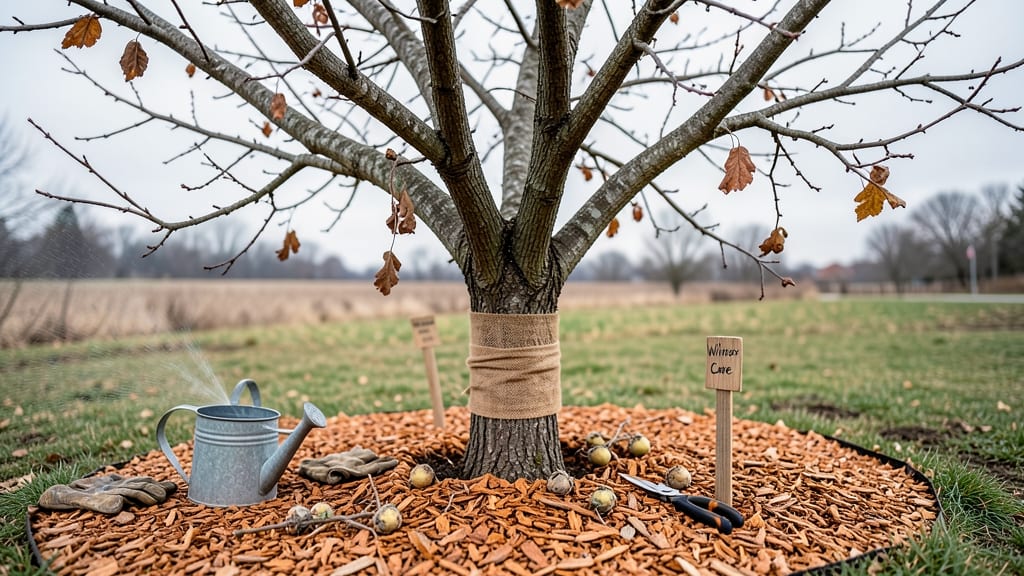
Winter tree care tips aren’t about neglect—it’s about setting your trees up for a stronger spring. 🌳 I’ve learned the hard way that skipping winter prep means weaker roots, cracked bark, and more work in spring. The key? Smart pruning, protective mulching, and watching for subtle signs of stress before they become big problems.
Start with pruning in late winter (before buds swell) to remove dead branches and shape growth. Evergreens need extra attention—wrap young trees in burlap to shield them from drying winds, and check for ice buildup that can snap limbs.
Mulch now to insulate roots, but keep it 2-3 inches deep and a few inches away from the trunk to avoid rot.
You’ll see the difference next spring: fewer broken branches, healthier foliage, and trees that bounce back faster from winter’s wear. The secret isn’t fancy—it’s timing, protection, and a little extra care when it’s easiest to forget. Even bare deciduous trees benefit from a quick once-over to spot issues early.
Works for backyard trees, orchards, or urban landscapes—just adjust based on your climate. Let’s get those roots ready for growth season.
📚 In This Guide
- What you need
- Instructions
- Tips and common mistakes
- Wrapping up and next steps
What you need
- ● Pruning shears or loppers – Sharp, bypass-style shears (for small branches) and loppers with 6–8 inch handles (for thicker branches). Quantity: 1 pair of each.
- ● Hand pruners – Bypass pruners with 6–8 inch blades for precision cuts. Quantity: 1 pair.
- ● Gloves – Heavy-duty, cut-resistant gloves (e.g., leather or reinforced fabric). Quantity: 1 pair.
- ● Safety glasses – ANSI-rated goggles to protect against debris. Quantity: 1 pair.
- ○ Tree wound dressing (optional but recommended) – Pruning sealant (e.g., Tanglefoot Tree Wound Pruning Sealer). Quantity: Small jar (4–8 oz).
- ● Disinfectant (70% isopropyl alcohol or bleach solution) – To clean tools between cuts and prevent disease spread. Quantity: Small spray bottle or wipe.
- ● Ladder or step stool – Sturdy, extendable ladder (if trees are over 6–8 feet tall). Quantity: 1.
- ● Trash bags or bucket – For collecting pruned branches. Quantity: 2–3 bags or 1 small bucket.
- ● Saw (pruning or bow saw) – For branches over 2 inches thick. Quantity: 1.
- ● Extension pole pruners – For high branches without a ladder. Quantity: 1.
- ● Tree spray (dormant oil or fungicide) – To protect against pests/diseases (apply before buds swell). Quantity: 1 gallon.
- ● Mulch (shredded bark or wood chips) – 2–4 inches deep, kept 3–6 inches away from trunk. Quantity: Enough to cover base.
- ● Stake or support ties – For young/sapling trees needing extra stability. Quantity: 2–4 stakes + soft ties.
Step-by-step guide to winter tree care for root health
Cold weather stresses trees differently than summer heat—here’s how to protect them while boosting next year’s growth.
🌱 Step 1: Inspect for Winter Damage Early
Start by walking your property in late November when temperatures drop below 32°F but before heavy snow. Look for split bark (common on oak and maple) or peeling bark on younger trees—this signals frost cracks. Run your hand along the trunk; if you feel raised edges or deep fissures, these need immediate attention.
Check the soil around the base for mud splatter from melting snow. Compacted, icy soil suffocates roots. If you see ice rings forming at the trunk, gently chip them away with a small shovel to prevent girdling as they expand. Real talk: ignoring these now means pruning dead branches in spring, not preventing them.
☀️ Step 2: Mulch Strategically to Regulate Soil Temperature
Apply 3-4 inches of organic mulch (like shredded bark or wood chips) in a donut shape around the tree, keeping it 6 inches away from the trunk. This creates an insulating layer that prevents soil temperature swings—critical because roots stay active until 20°F. Too much mulch (over 6 inches) traps moisture and invites rot.
Fluff the mulch with a rake to remove any ice pockets hiding beneath. If your area gets heavy snow, add a 2-inch layer of straw or leaves on top of the mulch to prevent compaction. I’ve seen trees with perfect mulch rings suffer because the center got packed down by snow—don’t let that happen to yours.
💧 Step 3: Water Deeply Before the Ground Freezes
Give trees a deep watering in late fall (by November 1st in most climates) to replenish moisture lost to evaporation. The soil should feel damp 12 inches down—use a screwdriver to check. Evergreens like pine and spruce need this most because they transpire year-round. If your soil is clay-heavy, water twice to prevent drought stress.
After watering, avoid walking near the base—compacted soil around the trunk reduces oxygen flow. Here’s the thing: trees don’t drink through ice. If your area gets consistent freezing, add a thin layer of mulch (1 inch) over the root zone to slow moisture loss. You’ll know you’ve done it right when the soil stays firm but not soggy when you press your thumb into it.
✂️ Step 4: Prune Dead or Broken Branches (But Wait Until Dormancy)
Prune only after the first hard frost (when leaves have fully fallen) to avoid disease entry points. Cut back dead, diseased, or crossing branches using clean, sharp pruners—dull blades tear wood, inviting pests. Make cuts just outside the branch collar (the swollen area where the branch meets the trunk). For large branches, use the three-cut method to avoid bark stripping.
Remove any sucker growth (shoots sprouting from the base or trunk) immediately—they drain energy from the main tree. If you see mushroom-like growths at the base, that’s a sign of root rot, and you’ll need to dig deeper to assess. I know it’s tempting to prune now, but waiting until late winter (when temps stay above 20°F) gives you the best chance to spot hidden issues.
🪴 Step 5: Protect Young Trees from Windburn and Animal Damage
Wrap the trunk of young trees (under 3 inches in diameter) with tree guard or burlap to prevent sunscald (bark damage from winter sun on frozen trees). Secure it loosely—too tight restricts growth. For evergreens, gently tie branches upward with soft twine to reduce snow load. Never use wire or anything that can cut into the bark.
Set up repellent sprays (like bitter apple) around the base if you have deer or rabbits—they’ll gnaw on bark when food is scarce. I’ve lost too many saplings to winter browsing to skip this. If your area gets heavy snow, brush it off branches gently (don’t shake the tree) to prevent breakage. The goal is to mimic natural snowfall—let it accumulate lightly but remove excess before it becomes a burden.
Tips & tricks for winter tree care
Winter can make or break your trees—here’s how to avoid common pitfalls and give your trees the best shot at thriving next season.
Timing is Everything: That late November inspection window is tighter than you think. If you wait until after heavy snow, you might miss early frost cracks on oak or maple bark. I always schedule my walk when temps drop below 32°F but before the first snowfall—this gives me the clearest view of potential issues. A flashlight helps spot hidden damage in shaded areas.
Mulch Like a Pro: The 3-4 inch mulch ring isn't just about insulation—it's about airflow. I've seen mulch piles collapse under snow, creating anaerobic pockets that suffocate roots. After applying your mulch, use a rake to create small channels radiating from the trunk to prevent water pooling. For evergreens, consider a slightly thicker layer (up to 5 inches) since they lose moisture year-round.
Watering Strategy: That November 1st deadline is non-negotiable for most climates, but here's the secret: water when the soil is still workable, not frozen. Use a screwdriver to check moisture—if it comes out clean, water again. For clay-heavy soil, I split the watering into two sessions with a 24-hour break to ensure proper absorption. The goal is damp soil 12 inches down, not soggy surface moisture.
Pruning Precision: Waiting until late winter (when temps stay above 20°F) might seem counterintuitive, but it's when you'll spot hidden issues like root rot. I always prune on dry days to prevent disease spread. For large branches, make your first cut about 6 inches from the trunk, then work your way down to the branch collar. The three-cut method prevents bark tearing, but only use it on branches over 2 inches in diameter.
Pro Tips for Winter Tree Care Tips
- Winter can make or break your trees—here’s how to avoid common pitfalls and give your trees the best shot at thriving next season.
- Timing is Everything: That late November inspection window is tighter than you think.
- Mulch Like a Pro: The 3-4 inch mulch ring isn't just about insulation—it's about airflow.
Frequently asked questions
Got questions about keeping your trees thriving during winter’s chill? Here are some of the most common concerns—and straightforward answers to help you navigate dormant-season care like a pro.
Can I prune my trees in winter, or should I wait until spring?
Winter is actually ideal for pruning deciduous trees (like oaks, maples, and fruit trees) since they’re dormant. The lack of leaves makes it easier to spot dead branches, and you avoid stressing the tree during active growth. Skip pruning evergreens (like pines or spruces) in winter—they’re still photosynthesizing and can’t handle heavy cuts. Aim for late winter (just before bud break).
How do I protect young or newly planted trees from winter damage?
Young trees are vulnerable to cold snaps, wind, and rodent nibbling. Wrap the trunk with tree guard or burlap to shield it from gnawing critters, and mulch the base (3–4 inches deep) to insulate roots. For extra protection, stake tall or top-heavy trees gently to prevent wind rock. Avoid piling mulch against the trunk—keep it at least 6 inches away to prevent rot.
What’s the best way to water trees in winter if it’s not raining?
Even dormant trees need deep, infrequent watering in winter—especially if there’s a dry spell. Use a soaker hose or drip irrigation to deliver water slowly to the root zone (out to the tree’s drip line). Avoid overhead watering, which can freeze and damage bark. Water once a month unless the ground is frozen solid.
Should I fertilize my trees in winter, or is it a waste of money?
Winter isn’t the time for heavy feeding, but a light application of slow-release fertilizer (like compost or organic granules) in early winter can give roots a boost. Skip synthetic fertilizers—they encourage new growth, which can be killed by frost. Focus on soil health instead: Add mulch or compost to improve drainage and nutrient retention.
My tree’s bark looks cracked or peeling—is this normal, or do I need to act?
Some peeling or cracked bark is normal, especially on older trees, as it sheds to make room for new growth. Act if:
- Bark is deeply split (exposing inner tissue).
- Oozing sap or blackened areas appear (signs of disease or pests).
- Cracks are large and jagged (risk of breakage in storms).
Wrapping up and next steps
Winter may seem like a quiet time for trees, but with the right care, you’re giving them the perfect foundation for spring blooms and robust growth! 🌱 From mulching to smart pruning and pest checks, these steps ensure your trees stay healthy even in the coldest months.
Now that you’re armed with the know-how, roll up your sleeves and get to work—your trees will thank you with vibrant life come spring.
Ready to take it further? Plan a seasonal tree health audit—schedule a check-in every few months to monitor progress and adjust care as needed. Happy gardening! 🌿