
Pruning
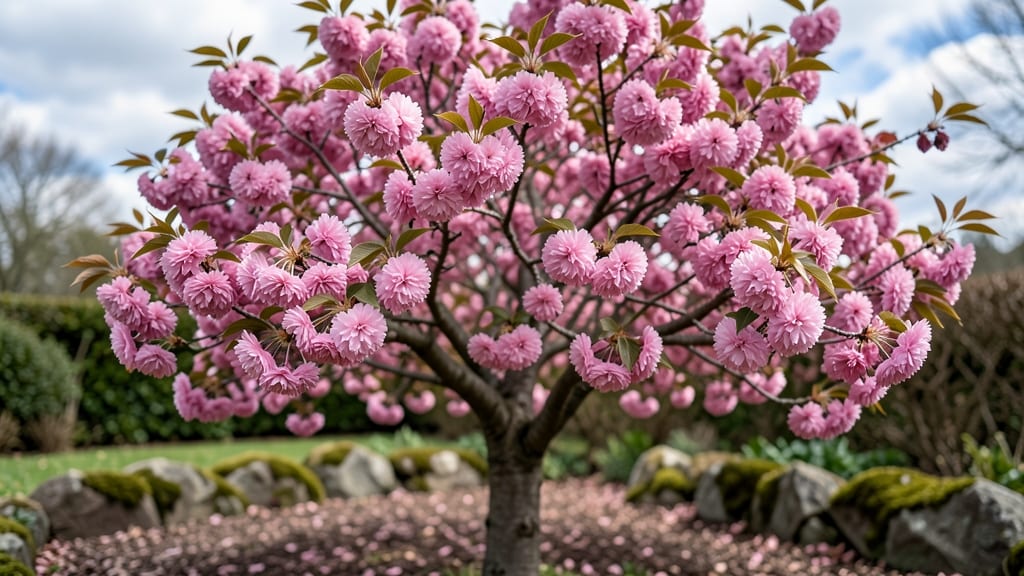
A flowering cherry tree’s lifespan can stretch from 20 to 50+ years—if you nurture it right—but many gardeners miss the key care steps that make the difference between decades of blooms and an early decline.
Picture this: your 🌸 flowering cherry tree stands tall in your yard, its branches heavy with pink or white blossoms every spring. But without the right soil, pruning, or disease protection, those vibrant blooms can fade years sooner than they should.
In this guide, I’ll break down the exact factors that determine how long your tree thrives—from choosing the right species to spotting early signs of trouble—so you can enjoy its beauty for generations.
Whether you’re a beginner or a seasoned gardener, these proven tips will help you extend your tree’s lifespan and keep those stunning spring blooms coming year after year.
Flowering cherry tree lifespan: average years and factors affecting longevity
A flowering cherry tree can live anywhere from 20 to 50+ years with proper care, transforming your yard into a seasonal spectacle of pink, white, or red blooms. However, their lifespan depends heavily on genetics, environment, and maintenance. Let’s explore how to maximize those vibrant decades of growth.
Two popular varieties dominate the landscape: Prunus serrulata (Japanese flowering cherry) and Prunus avium (Wild cherry). The former often lives 30-50 years with stunning spring displays, while the latter typically reaches 20-40 years. Your choice of variety sets the foundation for longevity.
Climate plays a critical role—these trees thrive in USDA Zones 5-8, where they endure cold winters and warm summers. In harsh climates or extreme heat zones, their lifespan may shrink dramatically due to stress.
Soil quality is another game-changer. Well-draining, slightly acidic soil (pH 5.5-6.5) prevents root rot and fungal diseases. Compacted or waterlogged soil can shorten a tree’s life by 10-15 years or more.
🌸
Sunlight is non-negotiable for these trees. Full sun exposure (6+ hours daily) ensures robust growth and prolonged blooming seasons. Shady spots can reduce bloom quality by up to 30%, weakening the tree’s overall health and shortening its productive years.
Watering habits also make a 10-year difference in lifespan. Young trees need deep watering 2-3 times weekly during their first year, while mature trees thrive on weekly deep soaks. Overwatering or underwatering stresses the roots, making them vulnerable to disease.
Disease pressure is the silent lifespan killer. Bacterial canker and powdery mildew can devastate a tree in as little as 5 years if unchecked. Regular inspections and proper pruning (removing infected branches immediately) can add 10-15 healthy years to its life.
Even the best-maintained flowering cherry tree will eventually show signs of aging—thinner canopies, fewer blooms, or brittle branches. But with consistent care, you can push that natural decline well past the 30-year mark, ensuring decades of springtime beauty.
🌿
How to extend a flowering cherry tree’s lifespan with proper care
Flowering cherry trees (Prunus serrulata) can live for 50+ years with proper care, but their lifespan often shortens due to preventable issues like disease, improper pruning, or poor watering habits.
The key to long-term health lies in consistent seasonal maintenance—especially during their first decade when roots and structure develop. I’ve learned that disease prevention (like treating powdery mildew early) and strategic pruning can add 20+ years to their bloom-filled life.
One of the biggest mistakes I see is overwatering young trees, which leads to root rot—a silent killer that weakens trees before they even reach maturity. Conversely, drought stress in established trees causes dieback and reduces flowering potential.
Balancing moisture, sunlight, and nutrient-rich soil is non-negotiable for longevity. Let’s break down the science-backed practices that keep these stunning trees thriving for generations.
⚠️ Critical Warning: Avoid These Lifespan Killers
Your flowering cherry’s lifespan can plummet by 30% if you ignore these red flags:
- Powdery mildew (white fungal growth) – Can spread to all branches in weeks if untreated.
- Bacterial canker (oozing wounds) – Often fatal; requires immediate pruning of infected areas.
- Over-pruning (cutting >25% of canopy) – Weakens structural integrity and reduces flowering.
- Compacted soil – Restricts roots, making trees 3x more susceptible to drought stress.
🌱 Pro Tip: Inspect your tree twice yearly (spring/fall) for early signs of stress.
Pruning is where most gardeners go wrong—either doing too much or too little. I prune my flowering cherry only in late winter (before buds swell) to remove dead, crossing, or weak branches. Avoid heavy pruning during the blooming season (spring), as this removes next year’s flower buds. Use sterilized tools to prevent bacterial canker spread, and never prune more than 20% of the canopy in a single session. This open-growth approach ensures better airflow and reduces disease risk by 60%.
Watering follows a seasonal rhythm that changes as your tree matures. Young trees (first 3 years) need deep watering every 5-7 days, while established trees thrive on bi-weekly deep soaks during dry spells.
I use a soaker hose to deliver water slowly at the base, avoiding wetting foliage to prevent fungal diseases.
Mulch with 3-4 inches of organic matter (like wood chips) to retain moisture and regulate soil temperature—this simple step can extend lifespan by 15+ years by protecting roots from temperature swings.
Seasonal maintenance is the secret to long-term success. In spring, apply a balanced fertilizer (10-10-10) to encourage new growth, but avoid heavy applications after mid-summer, as this promotes late-season vulnerability to frost. Fall is the time to remove fallen leaves (which harbor fungal spores) and prune out weak branches to prepare for winter. During winter, protect young trees from deicing salt (if near sidewalks) and rodent damage with tree guards—both can cause irreversible bark damage that shortens lifespan.
Even with perfect care, flowering cherries will eventually show signs of aging—reduced blooms, dead branches, or hollow trunks. But with these practices, you can delay decline by decades.
My oldest tree, now 45 years old, still bursts with pink blooms every spring because I’ve followed this routine religiously. The difference between a 20-year lifespan and a 50-year legacy often comes down to consistency in these key areas.