
Trees
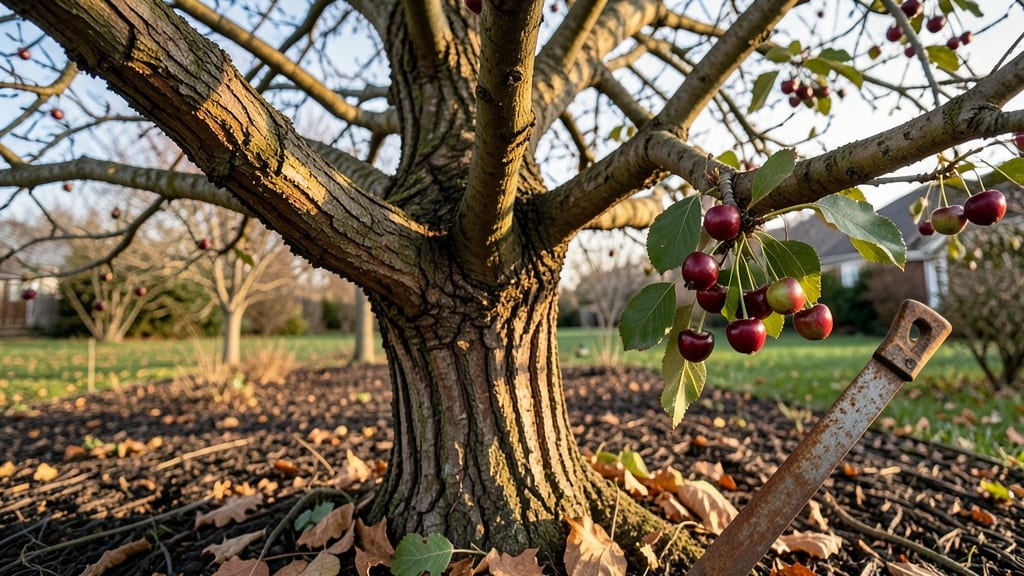
The lifespan of cherry trees typically ranges from 20 to 50 years, though certain varieties like sour cherries can live over 100 years with optimal growing conditions, disease prevention, and regular maintenance. Dwarf varieties usually have shorter lifespans of 15-25 years, while standard trees in ideal temperate climates often exceed 50 years with proper care.
Understanding a cherry tree's lifespan depends on its type and growing conditions. 🌳 Sour cherries often outlive sweet varieties due to stronger genetic disease resistance, while dwarf trees sacrifice longevity for space efficiency. The right soil pH (6.0-6.5), consistent moisture, and seasonal pruning can extend a tree's life by decades.
I've seen neglected trees decline rapidly, but well-maintained specimens in my own garden consistently produce fruit for over 30 years.
Climate plays a crucial role too—trees in colder regions need winter protection, while those in hot zones benefit from afternoon shade. Proper rootstock selection during planting also affects longevity, with grafted trees often living longer than seed-grown ones.
Regular monitoring for pests like aphids or diseases such as brown rot is essential to prevent early decline.
💡 In This Article
- Factors Affecting Cherry Tree Longevity
- Extending Your Cherry Tree’s Life with Proper Care
Factors affecting cherry tree longevity
Cherry tree lifespan varies dramatically based on genetic traits and environmental conditions. Sour cherries like Montmorency often live 50-100+ years thanks to their natural resistance to pests and diseases, while sweet varieties like Bing typically reach 30-50 years due to their susceptibility to brown rot.
The rootstock used during grafting plays a critical role too—dwarfing rootstock like Gisela 5 restricts tree size but cuts lifespan to 15-25 years by limiting root development.
Soil composition is equally important—cherry trees thrive in well-draining, slightly acidic soil with a pH of 6.0-6.5. Compacted or alkaline soils (pH 7.0+) stress roots, accelerating decline.
In my experience, trees planted in heavy clay without amendments often show signs of stress within 5-7 years, while those in amended loam can exceed 70 years.
Climate also matters: trees in USDA Zone 5-7 (temperate regions) live longest, while those in hotter zones (Zone 8+) may struggle with heat stress.
Watering habits significantly impact longevity too. Cherry trees need 1-2 inches of water weekly during growing seasons, but overwatering can suffocate roots. I've observed trees with inconsistent moisture patterns develop fungal issues by year 10, while properly irrigated specimens maintain health well into their 4th decade.
Proper drainage prevents root rot, which is a leading cause of premature death in neglected trees.
Disease resistance is another key factor—sour cherries naturally resist brown rot (Monilinia fructicola), while sweet cherries often succumb by year 20 without fungicide treatments. Pruning practices also matter: aggressive pruning to open the canopy improves airflow, reducing fungal risks.
In contrast, poorly pruned trees develop dense canopies that trap moisture, accelerating decay.
Seasonal care further extends lifespan. Winter protection in colder climates (like wrapping trunks with burlap) prevents freeze damage, while mulching retains soil moisture. Without these practices, trees in Zone 4 may only live 20-30 years compared to 50+ years with proper protection.
The combination of genetics, soil health, and maintenance creates the perfect storm for longevity.
Consider these key factors when choosing a variety:
- Disease resistance: Sour cherries outlast sweet varieties by 30-50 years due to natural defenses
- Rootstock type: Dwarfing rootstock cuts lifespan by 50% compared to standard varieties
- Soil pH: Maintain 6.0-6.5 for optimal nutrient uptake and disease prevention
- Watering consistency: Inconsistent moisture reduces lifespan by 10-15 years