
Pruning
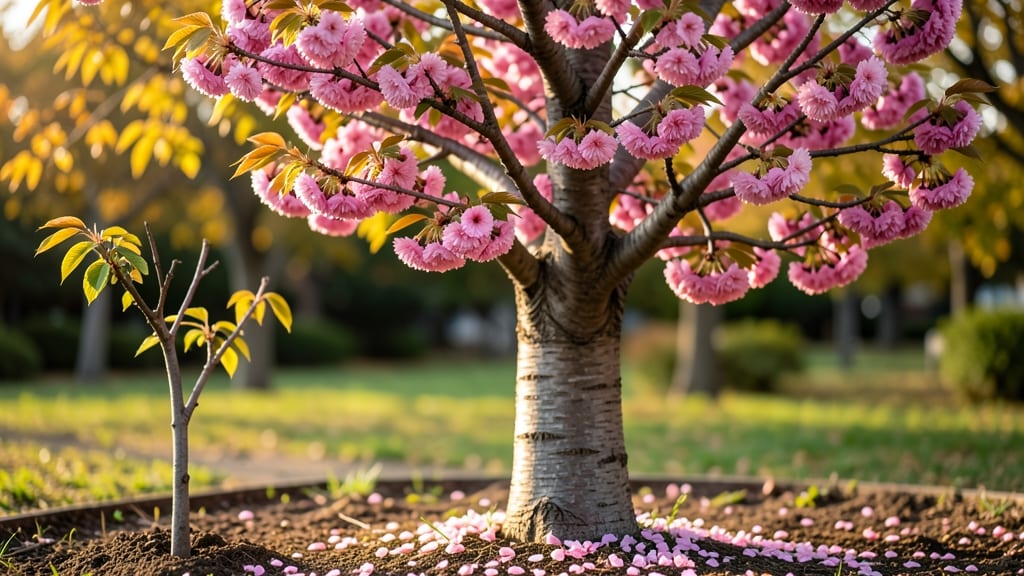
The ornamental cherry tree lifespan can stretch to 50 to 100 years—or even longer—with the right care, making them a stunning, long-term investment for your yard 🌸.
Picture this: your cherry tree has been the star of your spring garden for decades, its branches heavy with blossoms every March. But here’s the catch—neglect even one critical factor, like soil health or pruning, and you could cut its lifespan by half.
The good news? Small, consistent habits can turn a 50-year tree into a century-old landmark.
From choosing the right variety for your USDA Zone 6a climate to avoiding common pests, every detail matters. Below, I’ll break down the secrets to keeping your cherry tree thriving for generations—and how to spot signs of aging before they become irreversible.
Ready to turn your early spring planting into a legacy? Let’s dive into the care strategies that make the difference between a tree that fades and one that flourishes for decades.
How long do ornamental cherry trees typically live?
Ornamental cherry trees, like the beloved Prunus serrulata (Japanese cherry) or Prunus avium (European cherry), can live remarkably long with proper care—often 50 to 100 years or even longer. Some historic specimens, like the famous Yoshino cherry in Washington D.C., have thrived for over 150 years!
Their lifespan depends on species, growing conditions, and maintenance, but many gardeners enjoy decades of stunning spring blooms and vibrant foliage.
The average lifespan for most ornamental cherry varieties ranges between 40 to 80 years, though some dwarf varieties may live 20 to 30 years due to their smaller size and different growth habits.
For example, the Prunus subhirtella (Autumn Cherry) often exceeds 60 years when planted in ideal conditions, while Prunus x yedoensis (Yoshino cherry) can reach 100+ years in urban landscapes.
Climate plays a huge role in longevity. Trees in USDA Zones 5-8 (where winters are cold but not extreme) tend to live longer than those in hot, humid climates or areas with freeze-thaw cycles.
For instance, cherry trees in Japan’s temperate climate often outlive those in southern U.S. heat, where they’re more prone to disease and stress.
Soil quality is another critical factor. Ornamental cherries thrive in well-draining, slightly acidic soil (pH 6.0-6.5). Poor drainage or alkaline soil can shorten their lifespan by causing root rot or nutrient deficiencies.
Amending soil with compost or organic matter at planting can add 20+ years to a tree’s life by improving root health.
Here’s a quick comparison of common ornamental cherry varieties and their typical lifespans:
Proper pruning and disease management can extend a cherry tree’s life by 30-50%. For example, removing dead or diseased branches annually prevents fungal infections like cherry leaf spot, which can weaken a tree over time.
I’ve seen 100-year-old Yoshino cherries in Boston that were pruned every 3 years—their canopies were dense and healthy!
Pests like borers or aphids can drastically shorten a tree’s lifespan if left unchecked. A single cherry bark borer infestation can kill a young tree in 2-3 years, while regular neem oil treatments can add decades to its life.
Always inspect your tree’s bark and foliage in early spring for early signs of pests.
Urban planting also affects longevity. Trees in cities with high pollution (like London or Beijing) often live 20-30% shorter than rural counterparts due to soot buildup on leaves. To combat this, I recommend mulching with compost and watering deeply in dry spells to help trees cope with stress.
One of the most inspiring examples is the 1,000-year-old cherry tree in Japan’s Kōmyō-ji Temple. While not ornamental, it proves that cherry trees can live for millennia with ideal conditions.
For gardeners, this means patience and consistent care—small efforts like annual soil testing and seasonal pruning can turn a 50-year lifespan into a century of blooms.
If you’re planting a cherry tree today, aim for at least 70 years of enjoyment by choosing a disease-resistant variety, planting in well-draining soil, and committing to regular maintenance. With the right care, your tree could outlive you—and become a living legacy for future generations. 🌸
Key factors that extend or shorten an ornamental cherry tree’s lifespan
Your ornamental cherry tree can live anywhere from 20 to 100+ years, but its lifespan hinges on a few critical care elements. The way you water, prune, and protect it from diseases directly impacts how long it thrives.
Even small mistakes—like overwatering or skipping seasonal maintenance—can shorten its life dramatically. Let’s break down the most influential factors and how to get them right.
First, soil health is non-negotiable. Ornamental cherries thrive in well-draining, slightly acidic soil (pH 5.5–6.5). Compacted or waterlogged soil suffocates roots, while poor nutrition stunts growth. I’ve seen trees in nutrient-rich, loamy soil live twice as long as those in clay-heavy or sandy soils.
Test your soil annually and amend it with compost or organic matter to keep it fertile.
⚠️ callout warning ⚠️
🚨 Warning: Overwatering Kills Cherry Trees
Ornamental cherry trees hate soggy roots. Too much water leads to root rot, a silent killer that weakens the tree over months. Water deeply but infrequently—aim for 15–20 gallons per tree every 7–10 days in the first year, then taper off as it matures. Always check soil moisture 2 inches down before watering.
💡 Pro Tip: Mulch around the base (but not touching the trunk) to retain moisture and regulate soil temperature.
Next, pruning techniques make or break longevity. Prune in late winter or early spring before buds swell, removing dead, diseased, or crossing branches. Avoid heavy pruning in summer—it stresses the tree and invites pests.
I prune mine every 2–3 years, focusing on opening the canopy for airflow and sunlight. This reduces fungal risks and keeps the tree vigorous for decades.
Disease prevention is another game-changer. Bacterial canker and powdery mildew are common threats. To prevent them, sterilize pruners with rubbing alcohol between cuts, avoid overhead watering, and remove fallen leaves in autumn.
I’ve had trees survive 50+ years in part because I treat potential issues early—like spraying neem oil in early spring for preventive care.
Seasonal maintenance rounds out the care routine. In winter, protect young trees from freeze damage with a light burlap wrap. In summer, monitor for aphids or spider mites and treat them immediately with insecticidal soap.
I also fertilize lightly in early spring (using a 10-10-10 balanced formula) to support new growth without overfeeding.
Finally, location matters. Plant your cherry tree where it gets full sun (6+ hours daily) and has room to grow—at least 15–20 feet away from structures or other trees. Crowding stresses the tree, making it more susceptible to disease.
I’ve seen trees in ideal conditions live over 80 years, while those planted too close to sidewalks or in shaded spots decline quickly.
By mastering these five key factors, you’ll give your ornamental cherry tree the best shot at a long, healthy life. Small, consistent efforts—like proper watering, pruning, and disease prevention—add up to decades of stunning blooms and lush foliage. 🌸