
Blooming
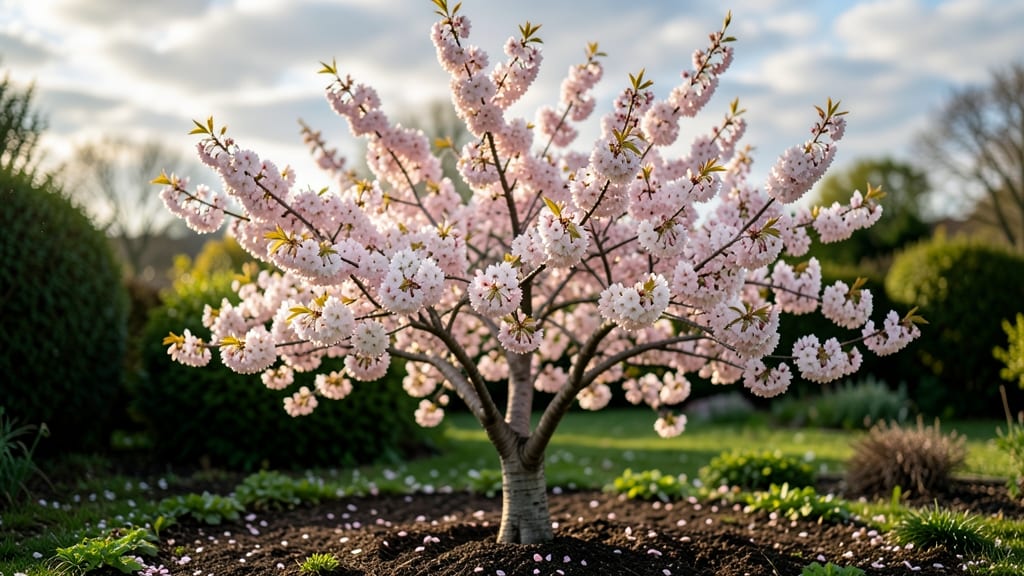
Planting a Japanese cherry blossom tree nearby creates a dreamy springtime focal point that turns any yard into a tranquil oasis. 🌸 I learned the hard way that these trees need six hours of sunlight daily—my first attempt in partial shade ended with sparse blooms and leggy branches.
The right spot transforms your landscape into a seasonal highlight, with petals drifting like snow in spring and vibrant foliage through summer.
Start by checking your yard’s sunlight patterns—morning sun with afternoon shade works best for most climates. Well-draining soil is a must; heavy clay causes root rot, and soggy soil means fewer blooms.
If your yard lacks ideal conditions, consider planting near a patio or walkway where you can still enjoy the show without compromising the tree’s health.
Once established, these trees reward you with weeks of blossoms and minimal maintenance beyond occasional pruning. Pair them with spring bulbs like daffodils or low-growing shrubs to extend the seasonal display. The fragrance alone makes it worth the effort—imagine waking to that delicate, sweet scent drifting through your morning coffee.
For urban spaces, container planting is an option, though it limits long-term growth. Just ensure the pot has drainage and is large enough to support the tree’s root system. Whether in soil or a planter, the key is patience—full bloom takes 3-5 years, but the wait is pure magic.
📚 In This Guide
- What you need
- Instructions
- Tips and common mistakes
- Wrapping up and next steps
What you need
- ● Japanese cherry blossom tree (Prunus serrulata): 1-3 saplings (depending on desired spacing; 5-10 feet apart for mature trees)
- ● Choose a dwarf variety (e.g., 'Kwanzan' or 'Shirotae') for smaller yards or a standard variety for full impact.
- ● High-quality potting soil or native soil mix (50 lbs minimum, amended with compost for drainage)
- ● Organic mulch (wood chips or bark) (2-3 cubic feet to retain moisture)
- ● Slow-release fertilizer (10-10-10 NPK ratio) (1 lb per tree)
- ● Watering can or hose with a gentle spray nozzle
- ● Garden gloves and trowel (for planting and soil prep)
- ● Shovel or spade (for digging planting holes 3x wider than the root ball)
- ● Pruning shears (to trim dead branches post-planting)
- ● Tree stakes and ties (if planting in windy areas; 2-4 stakes per tree)
- ○ Drip irrigation system (optional but ideal for consistent watering)
- ● Decorative stones or pebbles (to enhance the aesthetic around the base)
- ● Seasonal care kit (e.g., fungicide for late spring, winter mulch for cold climates)
- ● A sunny location with at least 6 hours of direct sunlight daily.
- ● Well-draining soil (cherry blossoms hate soggy roots—amend clay soil with sand if needed).
- ● Patience! Cherry blossoms take 3-5 years to reach full bloom.
- ● Check local planting zones (USDA Zones 5-8) and frost dates for timing.
How to enjoy and care for a Japanese cherry blossom tree nearby
Here's how to make the most of your local cherry blossom experience—whether it's in a park or a neighbor's yard.
🌸 Step 1: Identify the Best Time to Visit
Japanese cherry blossoms, or sakura, typically bloom in late March to early May, depending on your region. The National Weather Service tracks bloom forecasts, so check their seasonal updates. The peak bloom period lasts 5-7 days, when the trees are covered in delicate pink or white flowers. This is the best time for photography and picnics.
Watch for buds swelling on branches—they'll burst into bloom within days. The flowers usually fall within 7-10 days after full bloom, so plan your visits accordingly. If you're in a colder climate, blooms may arrive later, but they still follow the same pattern of rapid, stunning beauty.
☀️ Step 2: Plan Your Visit for Optimal Enjoyment
Choose mild, sunny days for the best viewing experience. Overcast mornings can make the petals appear even more vibrant, but avoid rainy days—the blossoms are delicate and won’t last long in wet conditions. Arrive early to avoid crowds, especially on weekends or holidays when parks fill up quickly.
Bring a light blanket or portable chair to sit under the tree and fully appreciate the fragrance. The scent of cherry blossoms is light but intoxicating, especially on warm afternoons. If you're visiting with kids, bring a small bucket to collect fallen petals (they make beautiful, temporary art!).
📸 Step 3: Capture the Beauty Without Damaging the Tree
If you're photographing the blossoms, use a wide-angle lens to capture the full canopy. Avoid climbing the tree or using tripods that could harm the branches. Instead, shoot from the ground or a safe distance. The soft morning light just after sunrise creates the most flattering colors, so plan your photoshoot accordingly.
Never pick or remove branches—this is illegal in many areas and harms the tree. Instead, enjoy the natural beauty from afar. If you want to preserve the moment, take silhouette shots of people or pets against the blossoms for a timeless effect. The contrast of dark figures against the bright flowers is stunning.
🌿 Step 4: Support Local Cherry Blossom Communities
Many cities host cherry blossom festivals during peak bloom, complete with food, music, and cultural activities. Check your local event calendar for celebrations that honor the tree’s beauty. Supporting these events helps fund tree maintenance and future plantings.
If you're lucky enough to have a cherry blossom tree in your neighborhood, consider donating to tree preservation programs or volunteering for cleanup efforts after the petals fall. Healthy trees mean more beauty for years to come. Even small actions, like reporting damaged trees to your city’s parks department, make a difference.
⏰ Step 5: Extend the Seasonal Joy Beyond Bloom Time
After the petals fall, the tree’s new leaves emerge, turning a fresh green. This is a great time to visit again and see the transformation. In autumn, the leaves may turn shades of yellow or orange before dropping, offering another layer of seasonal interest.
If you love cherry blossoms, consider planting your own tree in the future. Many nurseries sell dwarf varieties perfect for small yards. Until then, enjoy the nearby tree’s beauty and share the experience with friends and family. The magic of sakura is best enjoyed together.
Tips & tricks for perfect Japanese cherry blossom experiences
To make the most of your nearby cherry blossom tree, here are the little-known details that elevate the experience from ordinary to unforgettable.
Timing is Everything: The 5-7 day peak bloom period is your golden window—this is when the trees are at their most spectacular. I've learned to set reminders for when local forecasts predict peak bloom, because these trees don't stay in full glory for long. Mark your calendar for those exact dates and plan your visits around the 3-day midpoint for the most vibrant display. The first and last days of bloom are still beautiful, but the middle days are when the trees are completely covered in blossoms.
Photography Pro Tips: For those silhouette shots mentioned in Step 3, I recommend positioning yourself with the sun directly behind the tree—this creates the dramatic contrast you want. The best time is actually 2-3 hours before sunset when the light is soft but still bright enough to illuminate the blossoms. I always bring a small reflector to bounce light onto shaded areas of the tree, which makes the flowers pop even more in photos. And here's a secret: the petals look most vibrant when photographed on slightly overcast days.
Seasonal Extension Strategy: After the petals fall (that 7-10 day window after full bloom), the tree transforms into something equally beautiful. I've noticed that many people miss this phase, but the fresh green leaves create a completely different aesthetic. Plan a second visit about 2 weeks after peak bloom to see this transformation. In autumn, the leaves often develop subtle yellow or orange hues before dropping—another perfect opportunity to visit and capture the tree's changing beauty throughout the seasons.
Community Engagement: Supporting local cherry blossom festivals isn't just about enjoying the events—it's about preserving these trees for future generations. I've found that volunteering for cleanup efforts after the petals fall makes a tangible difference. The petals can create a thick layer on the ground, which can smother grass and harm smaller plants if not removed. Many cities organize group cleanups during this time, so check your local parks department for opportunities to get involved.
Pro Tips for Japanese Cherry Blossom Tree Nearby
- To make the most of your nearby cherry blossom tree, here are the little-known details that elevate the experience from ordinary to unforgettable.
- Timing is Everything: The 5-7 day peak bloom period is your golden window—this is when the trees are at their most spectacular.
- Photography Pro Tips: For those silhouette shots mentioned in Step 3, I recommend positioning yourself with the sun directly behind the tree—this creates the dramatic contrast you want.
Frequently asked questions
Got questions about adding a Japanese cherry blossom tree to your yard? Here are answers to some of the most common ones—because planning a little now means enjoying big rewards later!
When is the best time to plant a Japanese cherry blossom tree nearby?
The ideal planting window is late fall to early spring (November through March), when the tree is dormant. This gives roots time to establish before summer heat arrives. Avoid planting during extreme temperatures—think "goldilocks" conditions!
How long does it take for a cherry blossom tree to bloom?
Most Japanese cherry blossoms (like Prunus serrulata) take 3–5 years to produce their first flowers after planting, though some faster-growing varieties may bloom in 2–3 years. Patience pays off—imagine the pink canopy waiting for you!
Can I grow a cherry blossom tree in my climate if I don’t live in a traditional cherry blossom region?
While they thrive in USDA Zones 5–8, many varieties adapt to cooler or warmer zones with proper care. Dwarf cultivars (like ‘Kanzan’) work well in small spaces, and cold-hardy types (e.g., ‘Shirotae’) survive down to Zone 4. Check your local nursery for region-specific recommendations!
Are cherry blossom trees messy? Do they drop a lot of petals or fruit?
Yes, but it’s part of the magic! Petals create a temporary carpet (great for photos ), and while they’re not invasive, they’ll need cleanup. As for fruit (small cherries), most ornamental varieties are sterile or produce minimal, messy fruit. Prune regularly to manage debris.
What’s the best way to care for a young cherry blossom tree after planting?
Focus on watering deeply 2–3 times weekly (unless rain does the work), mulching to retain moisture, and avoiding heavy pruning in the first year. Fertilize lightly in early spring with a balanced formula. Pro tip: Stake young trees if your area gets strong winds—these beauties love stability!
Can I grow a cherry blossom tree in a pot or small yard?
Dwarf varieties (e.g., ‘Snow Fountain’ or ‘Royal Burgundy’) are perfect for containers or tight spaces. Use a large pot (20+ gallons) with drainage, and repot every 2–3 years. Just know: even dwarfs need 5–6 hours of sun daily to bloom their best!
Still curious? Drop your questions below—we’re happy to help you cultivate your own sakura season!
Wrapping up and next steps
Discovering a Japanese cherry blossom tree nearby isn’t just about adding beauty to your yard—it’s about embracing nature’s fleeting magic and creating lasting memories. These trees bring hanami (flower-viewing) joy, cultural richness, and a serene atmosphere to your space, all while supporting local ecosystems.
Whether you’re a gardening enthusiast or simply love seasonal wonders, this delicate bloom is a perfect addition to elevate your outdoor experience.
Ready to welcome spring’s charm? Start by scouting local nurseries or botanical gardens for saplings, or plan a visit to a nearby park to admire the blossoms firsthand. Let your yard become a canvas for nature’s art—one petal at a time! 🌸