
Blooming
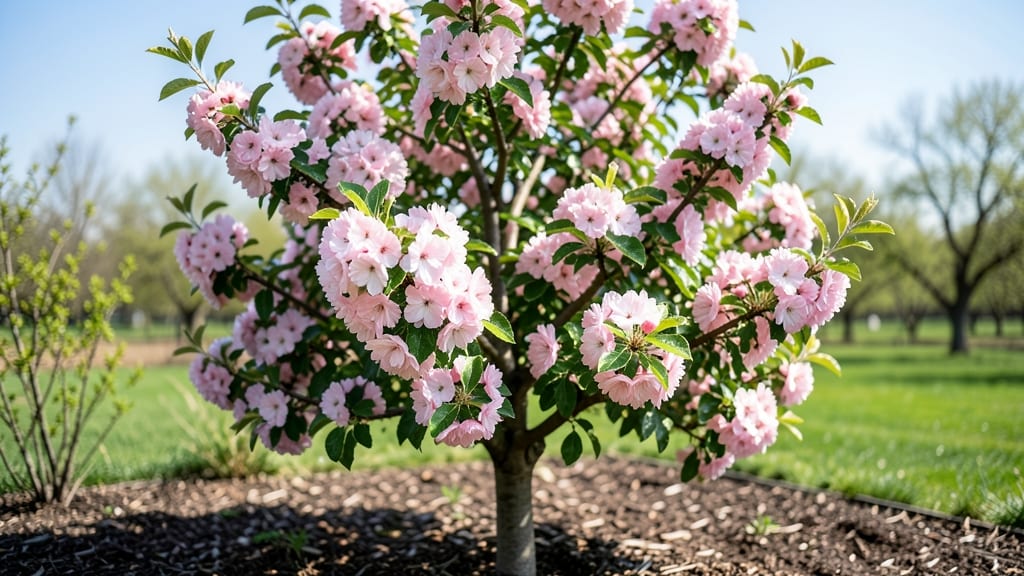
The Gala apple tree blossom arrives like a pink-and-white snowstorm in spring—brief, breathtaking, and absolutely essential for next year's harvest. 🌸 I still remember the first time I watched mine burst into bloom: one morning the branches were bare, and by noon they were covered in delicate petals, humming with bees.
Timing is everything here, because those blossoms only last 7-10 days, and frost can wipe them out before they even set fruit.
Gala trees bloom late April to early May in most climates (zones 5-8), which is why they're prized—they dodge early frosts that ruin earlier varieties. But that late bloom means you'll need to keep an eye on the forecast: a late frost after petal drop can kill developing fruit.
The good news? Those same late blooms often escape summer heat stress that affects earlier varieties, giving you fruit that ripens just right for fall harvests.
Here's the secret to maximizing those blossoms: prune in late winter to open the canopy for sunlight, and fertilize in early spring with high-nitrogen (like 10-10-10) to fuel flower production. Thin fruit after bloom to leave 6-8 inches between apples—this ensures bigger, sweeter Gala apples instead of tiny, sour ones.
The payoff? A tree that looks like a fairy tale in spring and feeds you through fall.
For gardeners in colder zones (4 or below), consider planting near a south-facing wall to create microclimate warmth that extends the bloom window.
And if you notice fewer blossoms than last year, check your tree's age—young Gala trees (under 5 years) often produce more flowers than fruit, while mature trees (10+ years) shift their energy to fruit production. Patience pays off with these trees!
📚 In This Guide
- What you need
- Instructions
- Tips and common mistakes
- Wrapping up and next steps
What you need
- ● Gala apple tree sapling or bare-root tree: 1 standard-sized tree (4-6 ft tall, 1-2 inches in caliper)
- ● Certified disease-resistant (ask your nursery for varieties like ‘Gala Red’ or ‘Gala Delicious’)
- ● Well-draining soil: pH level 6.0–7.0 (test with a soil kit or send a sample to a lab)
- ● Loamy texture (amend with compost if needed)
- ● Organic mulch: 3–4 inches of wood chips, straw, or shredded leaves (to retain moisture and suppress weeds)
- ● Slow-release fertilizer: 10-10-10 or 5-10-10 NPK ratio (follow package instructions for application rates)
- ○ Support stakes (optional but recommended for young trees): 2–3 wooden or metal stakes (4–6 ft tall)
- ● Garden twine or tree ties
- ● Shovel or trowel (for digging)
- ● Garden gloves (to protect your hands)
- ● Watering can or hose (with a gentle spray nozzle)
- ● Pruning shears (sterilized with rubbing alcohol)
- ● Measuring tape (to ensure proper spacing)
- ● Pollinator-friendly plants: Companion flowers like dwarf lilacs, crabapples, or bee balm to attract bees and butterflies.
- ● Tree guard: A spiral wrap or wire cage to protect the trunk from pests.
- ● Drip irrigation system: For consistent moisture (especially in dry climates).
- ● Birdhouses or bat boxes: To encourage natural pest control.
Step-by-Step guide to encouraging vibrant Gala apple tree blossoms
Here's how to coax those stunning pink-white blossoms from your Gala tree—nature's spring spectacle.
🌱 Step 1: Prune for Airflow and Light in Late Winter
Start in late winter when the tree is still dormant. Remove any dead, diseased, or crossing branches first—these block airflow and invite pests. I always look for branches rubbing together; those spots create wounds that weaken the tree. Use clean, sharp pruners to make cuts just outside the branch collar where it meets the trunk.
Next, thin out the canopy by removing 20-30% of the smallest branches—this opens the tree to sunlight and encourages robust blossoming. Aim for an open vase shape that lets light penetrate to the center. You'll see new growth emerge from these cuts in 4-6 weeks, signaling the tree is healing properly. Avoid heavy pruning now; you want to preserve the tree's energy for blossom production.
☀️ Step 2: Provide Optimal Sunlight and Nutrients
Gala apple trees need full sun (6-8 hours daily) for strong blossom production. If your tree is in partial shade, consider thinning nearby trees or structures. I've found that trees in south-facing locations blossom 2-3 weeks earlier than those in north-facing spots. Monitor the light exposure throughout winter—evergreens or buildings can cast unexpected shade.
Apply a balanced 10-10-10 fertilizer in early spring (just as buds begin to swell) using ½ pound per 100 square feet of canopy. Water deeply after applying to help nutrients reach the roots. You'll notice new leaves emerging with a deep green color—this is your sign the tree is absorbing nutrients properly. Avoid high-nitrogen fertilizers now; they promote leafy growth at the expense of blossoms.
💧 Step 3: Water Deeply During Bud Break
As the buds begin to plump up and turn pink (usually 2-3 weeks before bloom), increase watering to 1 inch per week. I use a soaker hose to deliver water slowly at the base, avoiding wetting the blossoms themselves. The soil should feel moist 2-3 inches down—if it's dry, the tree will drop buds before they open. Mulch with 2-3 inches of wood chips to retain moisture and regulate soil temperature.
Watch for swollen buds—these are your first sign of imminent blossoming. If the weather turns dry, supplement with weekly deep waterings until petals fall. Overwatering now causes blossom rot, so always check the soil before watering. The goal is consistent moisture without soggy soil—your tree will thank you with a spectacular display.
⏰ Step 4: Protect Blossoms from Late Frosts
Timing is everything here. Gala apple blossoms are sensitive to temperatures below 28°F—late frosts can destroy them overnight. I monitor the 10-day forecast starting in early spring and have row covers or frost cloths ready. Cover the tree on clear, calm nights when temperatures are expected to drop below 32°F, securing the fabric loosely to allow airflow.
Remove covers by 10 AM when temperatures rise above freezing—trapped heat can damage blossoms too. You'll know you've timed it right when you see bees and butterflies visiting the blossoms within 24 hours of uncovering. If frost hits, don't panic; Gala trees often produce a second flush of blossoms later in the season, though yields may be smaller.
🌿 Step 5: Support Pollinators During Bloom
Plant early-blooming companion plants like crabapple trees, lilacs, or crocus within 50 feet of your Gala tree to attract pollinators. I've noticed that bees and butterflies visit more consistently when there's a diverse bloom sequence available. Avoid pesticides during bloom—even organic sprays can harm pollinators. If you must treat for pests, do so after dark when pollinators are inactive.
Place a shallow water source (like a saucer with pebbles and water) near the tree. You'll see honeybees and native bees visiting within hours—they're essential for fruit set. A well-pollinated Gala tree will have 80-90% of blossoms develop into small fruit within 4-6 weeks after bloom. Thin fruit later to 6 inches apart for larger, higher-quality apples.
Tips & tricks for perfect Gala apple tree blossoms
Here's what I've learned after years of watching my Gala trees burst into bloom—these are the secrets that make all the difference.
Pruning Precision: When you're thinning that 20-30% of small branches in Step 1, focus on removing branches that grow inward or downward. These are the ones that block sunlight from reaching the center of the tree where blossoms form. I've found that making cuts just outside the branch collar (where it meets the trunk) promotes faster healing—those new growth shoots you'll see in 4-6 weeks are your reward for precise pruning. Use clean pruners to avoid spreading disease between cuts.
Sunlight Strategy: That 6-8 hours of daily sun is non-negotiable for vibrant blossoms. If your tree gets less, consider moving it to a sunnier spot or pruning nearby shade trees. I've noticed south-facing locations give you a 2-3 week head start on blooming compared to north-facing spots. For container-grown Gala trees, rotate them every few weeks so all sides get equal sunlight exposure. The goal is to maximize that pink-white color intensity—more sun equals more vibrant blossoms.
Frost Protection Hack: For those critical nights when temperatures drop below 32°F, I've found that covering the tree with frost cloths works better than row covers. The fabric lets light through while trapping just enough heat to protect blossoms. Remove covers by 10 AM sharp—trapped heat can actually damage blossoms more than the cold itself. Watch for bees returning within 24 hours as your signal that everything's back on track.
Pollinator Perks: Planting companion flowers like crocus or lilacs within 50 feet creates a pollinator highway to your Gala tree. I've seen honeybees arrive within hours of adding a shallow water source. The key is variety—different flowers bloom at different times, ensuring pollinators have a steady food source. Avoid any pesticides during bloom season, even organic ones, as they can harm these essential visitors. A well-pollinated tree will have 80-90% of blossoms develop into fruit within 4-6 weeks.
Pro Tips for Gala Apple Tree Blossom
- Here's what I've learned after years of watching my Gala trees burst into bloom—these are the secrets that make all the difference.
- Pruning Precision: When you're thinning that 20-30% of small branches in Step 1, focus on removing branches that grow inward or downward.
- Sunlight Strategy: That 6-8 hours of daily sun is non-negotiable for vibrant blossoms.
Frequently asked questions
Got questions about cultivating or enjoying Gala apple tree blossoms? You’re not alone! Here are answers to the most common queries—from timing and care to troubleshooting—so you can make the most of this fragrant spring spectacle.
When do Gala apple tree blossoms appear, and how long do they last?
Gala apple tree blossoms typically bloom in late April to early May, depending on your climate zone. Expect 1–2 weeks of vibrant color, with peak fragrance in the mornings. Cooler regions may see blooms slightly later, while warmer zones might enjoy an earlier show.
Are Gala apple blossoms good for pollinators like bees and butterflies?
These blossoms are a pollinator magnet, attracting bees, butterflies, and hummingbirds. To maximize their impact, avoid pesticides during bloom season and plant companion flowers like lavender or clover nearby for extra nectar.
How do I care for a Gala apple tree after the blossoms fall?
Post-bloom, focus on watering deeply (1–2 inches per week) and light pruning to shape the tree and remove dead wood. Fertilize with a balanced formula (10-10-10) in early spring to support fruit development. Thin young apples in summer to improve size and quality.
Can I grow Gala apple trees in containers, or do they need a yard?
While Gala apple trees thrive in full sun with deep soil, dwarf varieties (like ‘Gala’ grafted onto M.9 rootstock) can work in large containers (15+ gallons). Ensure proper drainage and repot every 2–3 years. Urban growers: Try a spindle-bush form for smaller spaces!
Why aren’t my Gala apple blossoms opening, or they’re falling off?
Common culprits include late frosts (damaging buds), drought stress, or pests/fungus. Check for black spots (apple scab) or curled leaves (aphids). Apply neem oil preventatively and mulch to retain moisture. If frost is the issue, cover young trees with frost cloth at night.
Pro Tip: Extend the bloom season!
Plant multiple apple varieties (e.g., ‘Honeycrisp’ or ‘Fuji’) nearby to stagger blooming times. This creates a longer pollinator buffet and increases fruit set! Plus, the mixed fragrance is divine.
Wrapping up and next steps
The gala apple tree blossom isn’t just a burst of pink and white—it’s a fragrant invitation for pollinators and a stunning spring spectacle. Whether you’re planting one for beauty, fruit, or wildlife, these blossoms bring joy, color, and life to your garden. 🌸
Ready to invite nature’s magic into your yard? Start by choosing the perfect spot, gathering your tools, and taking that first step toward a blooming masterpiece. Your future orchard—and the bees—will thank you!