
Pruning
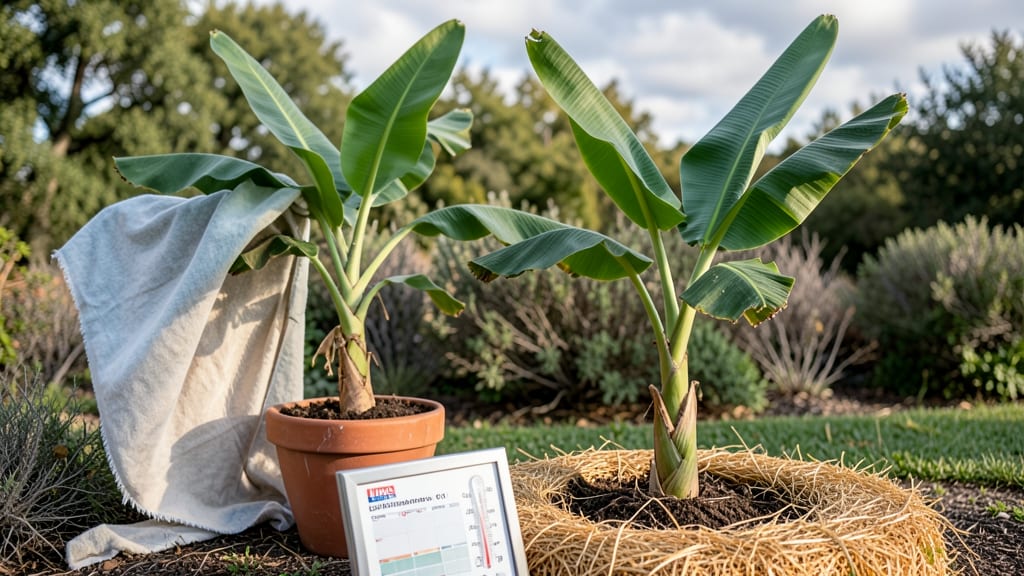
Grand Nain banana trees have the cold tolerance to survive frosts down to 26°F—but only with the right care. 🌿 I’ve watched mine bounce back from winter after wrapping them in frost cloth and piling on mulch, and the secret isn’t just the variety—it’s the prep work you do before temperatures drop.
These tropical plants won’t thrive in harsh winters without protection, but with a few adjustments, they’ll keep producing for years in zones as cold as 9.
The key is microclimates—sheltering your tree from wind and cold air, whether that means moving it to a garage or wrapping the trunk in bubble wrap.
Mulch isn’t just for looks: a 6-inch layer of straw or leaves keeps roots insulated, while container growers can simply roll their pots into a sheltered spot. Even in mild winters, pruning back dead fronds in early spring prevents rot and gives new growth a head start.
You’ll know your tree survived if it sends up new shoots by late spring, even if the old leaves look ragged. The first harvest might be smaller after a cold winter, but with consistent care, Grand Nains rebound faster than most people expect.
The trade-off? Less dramatic growth than in tropical climates—but still plenty of bananas for a backyard in cooler zones.
For those in zones 8 and below, consider growing in containers or pairing with a sunny south-facing wall to capture extra heat. And if you’re new to this, start small: one protected tree will teach you more than a dozen neglected ones ever could.
The payoff? Fresh bananas by summer, even in places where most gardeners wouldn’t dare try.
📚 In This Guide
- What you need
- Instructions
- Tips and common mistakes
- Wrapping up and next steps
What you need
- ● Cold-hardy banana tree (Grand Nain or Musa acuminata hybrid) – Ensure it’s healthy and well-established (at least 1–2 years old).
- ● Heavy mulch (6–12 inches deep) – Use straw, pine straw, or wood chips to insulate roots. Avoid fresh wood chips, as they can deplete soil nitrogen.
- ● Burlap or frost cloth (5–7 oz weight) – Enough to wrap the trunk and leaves (at least 3x4 feet per tree).
- ● Garden twine or zip ties – For securing frost cloth tightly around the tree.
- ● Pruning shears or loppers – For trimming dead or frost-damaged leaves in late winter.
- ● Compost or well-aged manure – 2–3 gallons per tree to enrich soil before winter.
- ● Watering can or hose with a gentle spray nozzle – For deep watering before the first frost.
- ● Tree wrap or bubble wrap – Extra protection for the trunk (especially for young trees).
- ● Mini greenhouse or cold frame – For potted Grand Nain trees in Zone 8 or colder.
- ● Thermometer (soil & air) – To monitor temperatures and adjust care as needed.
- ● Slow-release fertilizer (balanced 10-10-10) – Apply in early spring to boost regrowth.
How to protect Grand Nain banana trees in cold climates
Here’s my battle-tested approach to winterizing these tropical giants without losing them to frost.
☀️ Step 1: Understand Your Zone’s Freeze Thresholds
Grand Nain bananas thrive in zones 10-11 but can survive brief dips to 28°F if properly protected. Check your USDA zone—if you’re in zone 9 or colder, you’ll need aggressive winter prep. I always verify my local frost dates (usually November-March) and mark the first expected frost on my calendar.
Watch for temperature drops below 32°F—that’s when damage starts. Even a light freeze can blacken leaves, but the pseudostem (the "trunk") can survive down to 28°F if dry. The real enemy is prolonged cold or wet soil, which causes rot. If your zone gets below 28°F for more than 24 hours, you’ll need to move the plant or insulate heavily.
🪴 Step 2: Prepare the Plant Before Winter Sets In
Start in late summer (August-September) by reducing water to harden off the plant. Let the top 6 inches of soil dry out between waterings—this mimics drought stress and toughens the pseudostem. I stop fertilizing entirely by October to prevent new, tender growth that won’t survive cold.
Prune yellow or damaged leaves down to the base, but leave healthy green leaves to photosynthesize until frost. The goal is to remove weak points while keeping the plant’s energy reserves strong. If your banana has suckers (baby plants at the base), dig them up and pot them—these are your insurance policy for next year.
💧 Step 3: Insulate the Roots and Trunk
Once temperatures drop below 40°F at night, it’s time to act. Mound 6-12 inches of dry mulch (straw, leaves, or wood chips) around the base of the plant, piling it 6 inches high against the pseudostem. This creates an insulating air pocket that traps heat. I always use organic mulch—it breaks down slowly and adds nutrients back to the soil.
Wrap the pseudostem (trunk) and any exposed roots with burlap or cardboard secured with twine. Avoid plastic—it traps moisture and causes rot. For extra protection, I slip a large cardboard box around the base and fill it with dry leaves or shredded newspaper. This doubles as a windbreak and keeps cold air out.
⏰ Step 4: Monitor and Adjust Through Winter
Check your banana weekly during cold snaps. If temperatures drop below 32°F, add extra mulch around the base—even 4-6 inches more can make the difference. I keep a thermometer near the plant to track soil temps; if it hits below 30°F, I’ll cover the entire plant with a frost blanket at night and remove it by mid-morning to prevent overheating.
Watch for blackened leaves or mushy pseudostem—these are signs of freeze damage. If only the leaves are affected, the plant can regrow from the base. But if the trunk turns soft or oozes sap, the plant is dying and should be removed. In zone 8 or colder, I’ve lost plants this way, so I now dig up and overwinter my banana in a garage or shed if frost is forecast for more than a week.
🌱 Step 5: Revive in Spring and Plan for Next Year
As soon as nighttime temps stay above 50°F, remove all winter coverings. The plant will look brown and sad, but new growth starts from the base or underground rhizomes. Water lightly at first—soak only the top 2 inches of soil—to avoid shocking the roots. I wait until green shoots appear (usually late March-April) before resuming normal care.
If your banana was severely damaged, it may take 6-8 weeks to recover. In that time, I fertilize lightly with balanced 10-10-10 to encourage regrowth. For zones 8 and colder, consider growing in a pot next year—this lets you bring it indoors before frost. I’ve had success with 20-gallon containers buried halfway in the ground for summer, then moved to a sunny garage for winter.
Tips & tricks for protecting Grand Nain banana trees in cold climates
Here’s what I’ve learned from years of saving my bananas through winter—these tricks make all the difference between a sad, frozen plant and one that bounces back strong.
Zone-Specific Prep: In zone 9, I’ve found that adding an extra layer of straw mulch (about 4 inches thick) around the base during sudden cold snaps can push survival thresholds closer to 26°F instead of the usual 28°F. For zone 8, I go all out with double insulation—first the 6-12 inches of mulch, then a cardboard box filled with newspaper and topped with a frost blanket when temps drop below 30°F. The key is layering insulation like a winter coat for your plant.
Pruning Strategy: Don’t just cut off dead leaves—leave 2-3 healthy green leaves until the first frost. These leaves keep photosynthesizing and storing energy for the plant’s survival. I’ve seen bananas with just one green leaf make it through winter and regrow perfectly. After frost, remove all remaining leaves down to the base, but wait until spring to prune any new growth that might appear from the base.
Soil Drainage is Non-Negotiable: Wet soil conducts cold like a refrigerator—prolonged cold or wet soil is what kills banana trees faster than the air temperature. Before winter, I amend the soil with sand or perlite to improve drainage, especially in clay-heavy areas. In zone 8, I even elevate the planting mound by 6 inches to keep roots above potential water saturation. A thermometer buried 2 inches deep helps me track soil temps—if it drops below 32°F for more than 4 hours, I add extra mulch immediately.
Spring Revival Hack: When you remove winter coverings in late March, don’t rush to water heavily. Instead, soak only the top 2 inches of soil for the first 2 weeks—this prevents root shock from sudden hydration. I’ve seen bananas with blackened leaves in spring bounce back completely when given this gentle reintroduction to water. If you see green shoots but no leaves, be patient—the plant is redirecting energy to root recovery before regrowing foliage.
Pro Tips for Grand Nain Banana Tree Cold Tolerance
- Here’s what I’ve learned from years of saving my bananas through winter—these tricks make all the difference between a sad, frozen plant and one that bounces back strong.
- Zone-Specific Prep: In zone 9, I’ve found that adding an extra layer of straw mulch (about 4 inches thick) around the base during sudden cold snaps can push survival thresholds closer to 26°F instead of the usual 28°F.
- Pruning Strategy: Don’t just cut off dead leaves—leave 2-3 healthy green leaves until the first frost.
Frequently asked questions
about growing Grand Nain banana trees in colder climates—because winter survival shouldn’t be a guessing game!How cold can a Grand Nain banana tree tolerate?
A mature Grand Nain banana tree can survive brief dips to 28–30°F (-2 to -1°C), but prolonged exposure below 32°F (0°C) risks damage. Young plants or newly planted trees are even more sensitive—always prioritize protection in Zone 9 and colder!
Can I grow Grand Nain bananas in Zone 8 or colder?
Yes, but with strategic care! In Zones 8–10, grow them in containers or mulch heavily for winter. In Zones 7 and below, treat them as annuals or overwinter indoors. Cold-hardy varieties like Red Dacca may be better alternatives in harsh winters.
What’s the best way to protect my banana tree from frost?
Start with mulching (6+ inches of straw or leaves) around the base. For extra defense:
- Wrap the trunk in burlap or frost cloth.
- Use a clear plastic tunnel (like a mini greenhouse) over the plant.
- Move potted trees to a sheltered garage or under eaves.
Should I cut back my banana tree in winter?
Only if it’s severely damaged! Prune dead or blackened leaves in early spring, but leave healthy foliage to photosynthesize. Cutting back too early can weaken regrowth. Wait until late winter/early spring (when new shoots appear) to prune.
What can I plant instead if Grand Nain struggles in my climate?
If cold tolerance is your main concern, try these hardier alternatives:
Variety
Cold Tolerance
Notes
Red Dacca
Down to 20°F (-7°C)
Smaller, faster-growing, and more resilient.
Bluggoe
Down to 25°F (-4°C)
Dwarf variety, great for containers.
Cardaba
Down to 28°F (-2°C)
Tolerates partial shade better than Grand Nain.
All three are easier to overwinter in colder zones!
Wrapping up and next steps
Growing Grand Nain banana trees in colder climates is absolutely doable with the right care! 🌱 By selecting cold-hardy varieties, protecting roots, and using mulch, you can extend their lifespan and even enjoy regrowth in spring. Remember, patience and consistency are key—your banana tree will thank you with sweet rewards.
Ready to give it a try? Start small—plant one tree, experiment with winter care, and refine your approach. Soon, you’ll be harvesting tropical treats even in cooler zones! 🍌✨