
Pruning
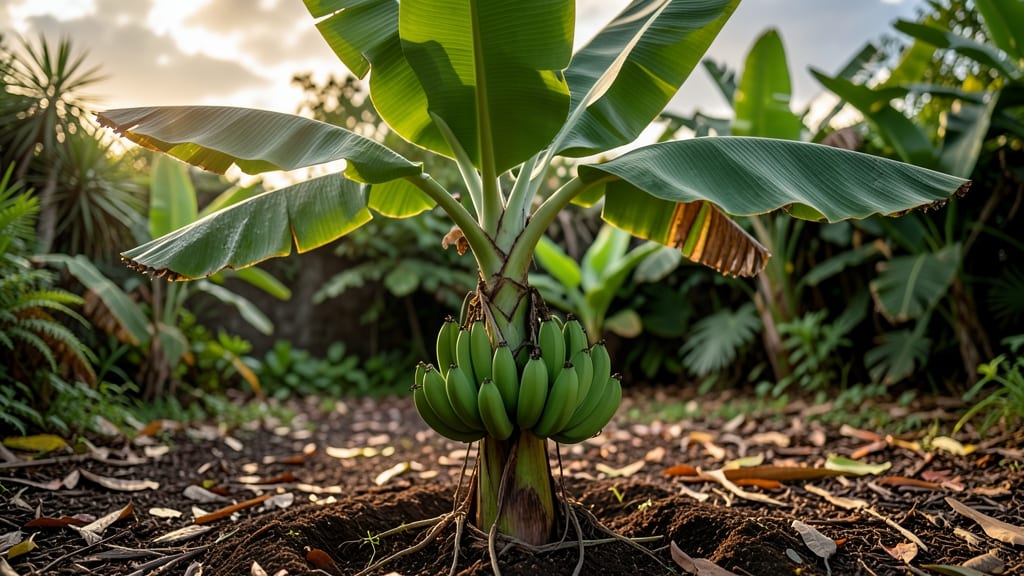
A banana tree in your yard isn’t just a plant—it’s a year-round privacy screen with bold tropical flair that turns heads in any neighborhood. 🌿 I planted mine near the fence last summer, and now it’s the centerpiece of my backyard, offering lush greenery that grows taller than my six-foot fence while creating a natural barrier that feels like a vacation spot.
The key to making it work is placement: sunny spots with afternoon shade work best, and pairing it with bamboo or hibiscus creates a cohesive tropical vibe.
My tree thrives with weekly deep watering once established, and I’ve learned to prune the lower fronds to keep it looking tidy while encouraging upward growth for that dramatic privacy effect. By next summer, you’ll have a 10-foot-tall living wall that blocks nosy neighbors while adding exotic beauty.
The large leaves create dappled shade perfect for outdoor seating, and the occasional banana fruit is a fun bonus that kids love picking. Works in USDA zones 9-11 (with winter protection in cooler areas), and even in containers if you live outside the ideal range.
Here’s how to make it the star of your outdoor space!
📚 In This Guide
- What you need
- Instructions
- Tips and common mistakes
- Wrapping up and next steps
What you need
- ● Banana tree plant: Choose a dwarf variety (like Musa basjoo) for easier yard maintenance—available at nurseries or online.
- ● Well-draining soil: Mix 2 parts topsoil with 1 part compost or coconut coir for optimal growth.
- ● Organic fertilizer: A balanced 10-10-10 or banana-specific fertilizer (follow package instructions).
- ● Mulch: Wood chips or straw (2–3 inches thick) to retain moisture and regulate soil temperature.
- ● Watering can or hose: With a gentle spray nozzle for deep but controlled watering.
- ● Shovel or spade: For digging a hole 2–3 times wider than the root ball.
- ● Garden gloves: Heavy-duty to protect against thorns and rough soil.
- ● Pruning shears: Sharp, sterilized shears for trimming dead fronds or overgrowth.
- ● Measuring tape: To ensure proper spacing (10–15 feet apart for privacy screens).
- ○ Stakes & twine (optional): For young trees needing support in windy areas.
- ● Sunlight: Full sun (6+ hours daily) for optimal growth—banana trees love warmth!
- ● Space: Minimum 10-foot height clearance (trees can grow 15–20 feet tall).
- ● Climate check: Hardy to USDA Zones 9–11; colder zones? Plant in pots for winter moves.
- ● Water access: Consistent moisture (but avoid waterlogging—banana trees hate soggy roots!).
How to plant and maintain a banana tree for year-round privacy
Here's the straightforward approach I've used to grow lush banana trees that thrive in home landscapes.
🌱 Step 1: Choose the Right Variety and Planting Location
Start with a dwarf banana variety like 'Dwarf Cavendish' or 'Ice Cream'—they're hardy enough for most yards and stay manageable at 6-10 feet tall. These varieties tolerate cooler climates better than tropical types, though they'll still need winter protection in colder zones.
Pick a spot with full sun exposure (6+ hours daily)—banana trees are sun-lovers and won't fruit well in shade. The area should have well-draining soil (they hate soggy roots) and 6+ feet of clearance overhead for mature growth. I always test the soil first—bananas prefer slightly acidic to neutral pH (5.5-7.0).
🪴 Step 2: Prepare the Planting Hole and Soil
Dig a hole twice as wide as the root ball but only as deep as the container it came in. Loosen the sides of the hole with a shovel to help roots spread easily. Amend the native soil with 2-3 inches of compost mixed into the bottom half of the hole—this gives roots a nutrient boost right where they need it most.
Place the plant so the top of the root ball sits 1-2 inches below soil level. This prevents the trunk from rotting while encouraging strong root development. Water the hole thoroughly before planting to settle the soil and remove air pockets. I like to add a handful of slow-release fertilizer (10-10-10) at planting time for an extra growth kick.
☀️ Step 3: Water and Mulch for Optimal Growth
After planting, water deeply (about 2 gallons) to help roots establish. Banana trees need consistent moisture—water 2-3 times per week during the first growing season, keeping the soil 2-3 inches deep moist but never soggy. You'll know it's right when the topsoil feels damp to touch but not saturated.
Spread 3-4 inches of organic mulch (like wood chips or straw) around the base, keeping it 6 inches away from the trunk to prevent rot. Mulch helps retain moisture and regulates soil temperature. I check the mulch monthly—if it breaks down too much, I top it off to maintain that protective layer.
✂️ Step 4: Fertilize and Prune for Year-Round Health
Feed your banana tree every 4-6 weeks during the growing season (spring through fall) with a balanced fertilizer (10-10-10). In cooler months, switch to a low-nitrogen fertilizer (5-10-10) to encourage root development. I always fertilize after a deep watering—this prevents burning the roots.
Prune only to remove dead or yellowing leaves—banana trees don't need heavy pruning. If you notice suckers (small shoots at the base), decide whether to remove them (if you want a single-stemmed tree) or let them grow (for a fuller look). I usually keep 1-2 strong suckers to replace the main stem when it dies after fruiting.
⏰ Step 5: Protect and Maintain Through Seasons
In fall, reduce watering slightly as growth slows. If you're in USDA zones 9-11, your banana tree should survive winter with minimal protection. For colder zones (8 and below), wrap the trunk in burlap or frost cloth and cover the plant with a thick layer of mulch (6+ inches). I also move potted banana trees indoors near a sunny window for winter.
Watch for pests like aphids or banana weevils—they love banana trees! Spray with neem oil at the first sign of trouble. With proper care, your banana tree will reward you with year-round privacy, tropical vibes, and even edible fruit in warmer climates. The key is consistency—bananas thrive on routine watering, feeding, and protection.
Tips & tricks for perfect year-round privacy with banana trees
These simple insights will help you avoid common pitfalls and maximize your banana tree's potential as a natural privacy screen.
Variety Selection Matters: While 'Dwarf Cavendish' and 'Ice Cream' are excellent choices for most yards, consider 'Red Dacca' if you want a taller screen (up to 15 feet) or 'Lady Finger' for smaller spaces. I've found that dwarf varieties like 'Ice Cream' produce fruit more reliably in cooler climates, which is a nice bonus if you want edible rewards along with privacy. The key is matching your climate zone to the variety's hardiness—check the USDA zone recommendations for each type before purchasing.
Soil Preparation is Non-Negotiable: The instructions mention amending soil with 2-3 inches of compost, but I can't stress enough how important this is. Banana trees are heavy feeders, and poor soil will show in stunted growth. I like to add a handful of egg shells (crushed) to the planting hole for extra calcium—this helps prevent the common issue of leaf tip burn. Also, if your native soil is heavy clay, mix in some perlite or coarse sand to improve drainage. The goal is to create a soil environment that mimics the banana's tropical origins while adapting to your local conditions.
Watering Wisdom for Consistent Growth: The 2-3 times per week watering schedule works for most climates, but I've learned this the hard way: morning watering is best. Watering in the early morning (before 10 AM) reduces evaporation and gives roots time to absorb moisture before the heat of the day. You'll notice the difference in leaf health—consistent morning watering prevents the yellowing edges that signal underwatering. For potted banana trees, I use a moisture meter to check soil moisture, aiming to keep it consistently damp but never soggy at the 2-3 inch depth mentioned in the instructions.
Winter Protection Pro Tips: The instructions cover basic winter protection, but here's what I do differently: For potted banana trees in zones 8 and below, I move them to a garage or shed with a sunny window rather than leaving them outdoors. The temperature drop from outdoor to indoor can shock the plant, so I gradually acclimate it over 3-4 days. For in-ground trees, I add a layer of straw mulch (4-6 inches) on top of the regular mulch layer—this extra insulation makes a surprising difference in colder winters. I also wrap the trunk with bubble wrap under the burlap for added protection against freezing winds.
Pro Tips for Banana Tree In Yard
- These simple insights will help you avoid common pitfalls and maximize your banana tree's potential as a natural privacy screen.
- Variety Selection Matters: While 'Dwarf Cavendish' and 'Ice Cream' are excellent choices for most yards, consider 'Red Dacca' if you want a taller screen (up to 15 feet) or 'Lady Finger' for smaller spaces.
- Soil Preparation is Non-Negotiable: The instructions mention amending soil with 2-3 inches of compost, but I can't stress enough how important this is.
Frequently asked questions
Got questions about growing a banana tree in your yard? Here are some of the most common ones—and their answers—to help you get started with confidence!
How long does it take for a banana tree to grow tall enough for privacy?
A banana tree can grow fast—some varieties reach 10–15 feet in just 1–2 years under ideal conditions (warmth, full sun, and rich soil). However, full privacy (15+ feet) may take 3–5 years, depending on the cultivar. Dwarf varieties like ‘Lady Finger’ grow slower but are great for smaller spaces!
Can I grow a banana tree in a pot instead of planting it in the yard?
Banana trees thrive in large containers (15+ gallons) with drainage holes, making them perfect for patios or balconies. Just ensure the pot gets full sun (6+ hours/day) and use a well-draining potting mix. Pro tip: Move pots indoors during frost (below 32°F) or use frost cloth for protection!
How do I protect my banana tree from cold weather?
Banana trees are tropical and cannot survive frost—temperatures below 32°F will kill them. In colder climates, plant in containers for easy relocation or use mulch, burlap wraps, or row covers to insulate the trunk and roots. If a freeze is forecast, cover the tree with blankets or bubble wrap and water the soil to retain heat.
Do I need to prune my banana tree, and when?
Pruning keeps your banana tree healthy and encourages new growth. Dead or yellow leaves can be removed anytime, but the big prune happens after fruiting: Cut back old pseudostems (trunks) to the ground in late winter or early spring (before new shoots emerge). Warning: Never prune more than 30% of the tree at once!
What pests or diseases should I watch for in my banana tree?
Common issues include:
- Spider mites (tiny webs on leaves) – Treat with neem oil or insecticidal soap.
- Banana weevils (brown larvae in the base) – Use systemic insecticides or replace infested soil.
- Fungal diseases (like sigatoka leaf spot) – Improve airflow, avoid overhead watering, and apply copper fungicide.
Keep soil moist but not soggy to prevent root rot!
Wrapping up and next steps
Growing a banana tree in your yard isn’t just about adding a stunning tropical vibe—it’s a year-round privacy solution that thrives with minimal fuss! Whether you’re drawn to its lush foliage, fast growth, or edible fruit, this versatile plant delivers both beauty and function.
With the right pruning, soil, and sunlight, your banana tree will flourish, creating a natural, evergreen screen that keeps your space cozy and stylish.
Ready to transform your outdoor space? Start by picking the perfect variety for your climate, then gather your tools and dive in! Your dream privacy oasis is just a few steps away—so why wait? 🌿✨