
Container Gardens
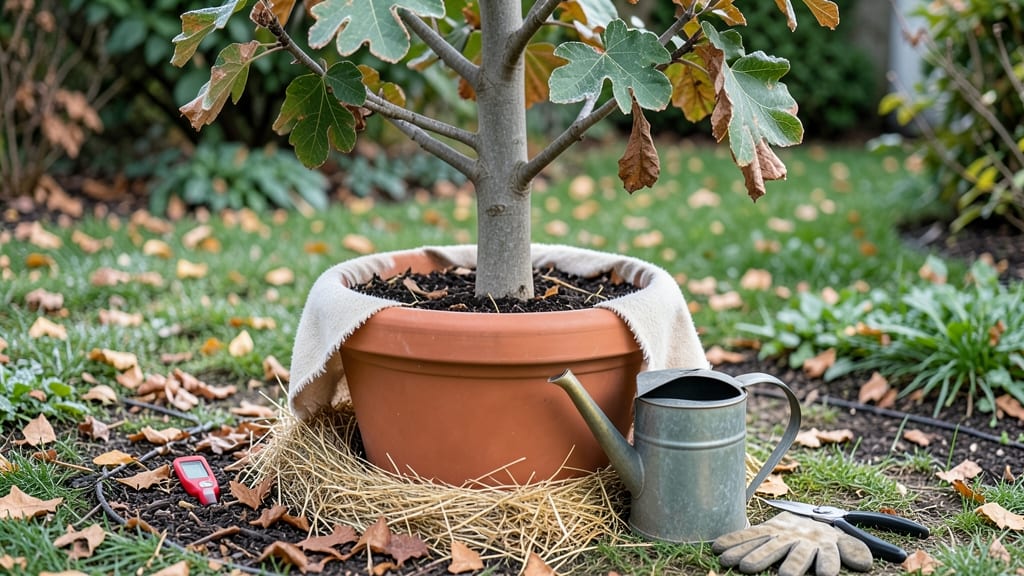
Your potted fig tree’s winter care depends on one critical move: preventing frozen roots while keeping the top growth cozy. 🌿 I learned this the hard way when my first winter nearly killed my tree—until I adjusted watering, protected the pot, and moved it indoors before the first frost.
Figs in pots need less water in winter (let the top inch dry between drinks) and bright light—a south-facing window or grow light keeps them from stretching. The key is balancing moisture and warmth: too much water causes rot, while dry air and cold snaps stress the tree.
By spring, you'll see fresh leaves unfurl and new growth emerge—proof your fig survived winter's test. The secret is patience: monitor for pests, prune dead wood in late winter, and avoid fertilizing until growth resumes.
Works for both dwarf varieties and standard figs in containers. Here's how to keep yours thriving through the cold months—no matter your climate zone.
📚 In This Guide
- What you need
- Instructions
- Tips and common mistakes
- Wrapping up and next steps
What you need
- ● Potting mix: 1 bag (1-2 cubic feet) of well-draining potting soil (look for labels like "cactus/succulent mix" or "container blend").
- ● Container: A pot with drainage holes (1-2 sizes larger than the current pot, if repotting).
- ● Fertilizer: 1 bottle of balanced, slow-release fertilizer (5-10-5 or 10-10-10 NPK ratio).
- ● Mulch: 1 bag of organic mulch (straw, pine bark, or shredded leaves).
- ● Watering can: 1 with a rose attachment for gentle watering.
- ● Pruning shears: 1 pair of sterilized, sharp shears (for trimming dead/damaged branches).
- ○ Thermometer: 1 digital soil thermometer (optional but helpful for monitoring root temps).
- ● Grow lights: LED full-spectrum bulbs for indoor winter placement (if natural light is scarce).
- ● Heat mat: A small self-regulating heat mat (for pots in freezing temps).
- ● Insulating wrap: Bubble wrap or frost cloth to protect the pot from harsh winds.
- ● Humidity tray: A shallow tray with pebbles and water to boost moisture in dry indoor air.
- ● Fungicide: Copper-based spray (prevents fungal issues in damp conditions).
Step-by-Step instructions for potted fig tree winter care
Here's how I keep my cold-hardy figs thriving through winter—no green thumb required.
☀️ Step 1: Move to a Bright Indoor Location
Choose a spot with 6+ hours of indirect light daily, like a south-facing window or under grow lights. Figs need light to maintain health, but direct winter sun can scorch leaves. I position mine 2-3 feet from the glass where they get morning sun and afternoon shade.
Watch for leaves yellowing or dropping—this means light is insufficient. If your space lacks natural light, supplement with a full-spectrum LED grow light for 12-14 hours daily. Keep the light 6-12 inches above the tree to prevent leggy growth.
💧 Step 2: Adjust Watering for Dormancy
Reduce watering to every 2-3 weeks once temperatures drop below 50°F. Overwatering in winter causes root rot, and figs naturally enter dormancy. Stick your finger 2 inches into the soil—water only when it feels completely dry.
I use a moisture meter for accuracy, especially in dry indoor air. If the soil stays damp longer than usual, your pot may lack drainage. Ensure the container has drainage holes and use a well-draining potting mix designed for citrus or Mediterranean plants.
✂️ Step 3: Prune for Airflow and Shape
Prune in late winter or early spring to remove dead, crossing, or weak branches. I cut back 1/3 of the canopy to improve airflow and sunlight penetration. Use sterilized pruning shears to make clean cuts just above outward-facing buds.
Don’t prune too aggressively—figs bloom on new growth, and heavy pruning delays fruiting. Shape the tree to fit your space, but leave the main structure intact. After pruning, wipe the cuts with a 1:9 hydrogen peroxide solution to prevent fungal infections.
🪴 Step 4: Monitor for Pests and Disease
Inspect leaves and stems weekly for signs of spider mites, scale, or mealybugs—common winter pests in dry indoor air. Wipe leaves with a damp cloth to remove dust and deter infestations. If pests appear, treat with neem oil or insecticidal soap, following label instructions.
Check for fungal issues like root rot or leaf spot, which thrive in damp conditions. If you notice yellowing leaves with brown spots, improve airflow by moving the tree or trimming dense foliage. A fan on low speed can help circulate air without stressing the plant.
⏰ Step 5: Prepare for Spring Transition
In late winter, gradually reintroduce water and fertilizer. Start with a balanced 10-10-10 fertilizer at half strength every 4-6 weeks once new growth appears. Figs respond well to organic options like fish emulsion or compost tea.
Watch for the first signs of spring—new leaf buds or swollen growth points. This is your cue to move the tree outdoors in stages. Harden it off by placing it outside for 2-3 hours daily, increasing exposure over 2 weeks before full-time outdoor placement.
Tips & tricks for perfect potted fig tree winter care
Took me years to figure out these key details that make all the difference between a struggling fig and one that thrives through winter.
Lighting Strategy: If your fig tree isn't getting enough natural light, consider rotating it quarter-turns weekly to ensure even growth. I've seen trees develop lopsided growth when left in one spot too long. For grow lights, position them 6-12 inches above the tree—closer for seedlings, farther for mature trees. The 12-14 hours daily recommendation is non-negotiable for photosynthesis during dormancy.
Watering Wisdom: The 2-inch soil check is your best friend—don't rely on a schedule. I've ruined figs by overwatering in winter when the soil was already moist. If you're unsure, use a moisture meter. Remember, figs store water in their leaves and stems, so they can handle dry spells better than you might think. The every 2-3 weeks guideline assumes average indoor humidity—adjust if your home is particularly dry.
Pruning Precision: When cutting back 1/3 of the canopy in Step 3, focus on removing branches that cross or grow inward. These create weak points where pests can hide. I always prune just above an outward-facing bud to encourage new growth in the right direction. After pruning, give your shears a quick wipe with rubbing alcohol to prevent cross-contamination between cuts.
Pest Prevention: The weekly inspection in Step 4 is crucial—pests like spider mites multiply rapidly in dry indoor air. I've caught early infestations by simply running my fingers along the stems. For stubborn pests, mix 1 tablespoon neem oil with 1 quart water and spray lightly on the undersides of leaves. Always test a small area first to ensure your tree tolerates the treatment.
Pro Tips for Potted Fig Tree Winter Care
- Took me years to figure out these key details that make all the difference between a struggling fig and one that thrives through winter.
- Lighting Strategy: If your fig tree isn't getting enough natural light, consider rotating it quarter-turns weekly to ensure even growth.
- Watering Wisdom: The 2-inch soil check is your best friend—don't rely on a schedule.
Frequently asked questions
about winterizing your potted fig tree—because even cold-hardy varieties need a little extra TLC to thrive! Here are answers to the most common concerns:How cold can a potted fig tree tolerate before needing winter protection?
A potted fig tree can handle brief dips to 20–25°F (-6 to -4°C), but prolonged exposure below 30°F (-1°C) risks damage. If your winter lows drop closer to 15°F (-9°C), move it indoors or use frost blankets. Varieties like 'Chicago Hardy' are tougher but still benefit from shelter in extreme cold.
Can I leave my potted fig tree outside all winter, or should I bring it inside?
Outdoor overwintering is risky unless your region has mild winters (35°F/2°C+). For most climates, indoor care (bright, cool spot like a garage or sunroom) is safer. If you must leave it outside, wrap the pot in bubble wrap, add mulch, and cover with a frost cloth. Monitor for ice damage—thaw slowly to avoid root shock!
How often should I water my fig tree in winter?
Cut back dramatically! Water only when the top 1–2 inches of soil are dry (about every 3–4 weeks, or less in dormancy). Overwatering in cold temps leads to root rot. Use a moisture meter if unsure, and ensure pots have drainage holes to prevent soggy soil.
Will my fig tree lose leaves in winter, and is that normal?
Yes! Fig trees naturally drop leaves in cold weather to conserve energy. Don’t panic—this is healthy dormancy. Prune dead branches in early spring, but avoid heavy trimming until new growth appears. Resume fertilizing only after last frost when buds swell.
My fig tree’s leaves turned brown over winter—what went wrong?
Brown leaves usually mean one of three issues:
- Cold burn: Sudden freezes or wind scorch leaves. Next winter, add mulch or move to a sheltered spot.
- Overwatering: Soggy soil in cold temps suffocates roots. Let soil dry out more between waterings.
- Drought stress: Dry indoor air (if moved inside) can dry leaves. Mist occasionally or use a pebble tray for humidity.
Wrapping up and next steps
With these winter care tips, your potted fig tree can thrive even in chilly months! 🌱❄️ Remember to protect it from frost, adjust watering habits, and provide bright, indirect light to keep it happy. The key is consistency—small, thoughtful adjustments make all the difference.
Ready to give your fig tree the cozy winter it deserves? Start by checking its current conditions today—trim any dead branches, move it to a safer spot, and monitor its moisture levels. Your efforts will reward you with a lush, productive tree come spring! 🌿