
Trees
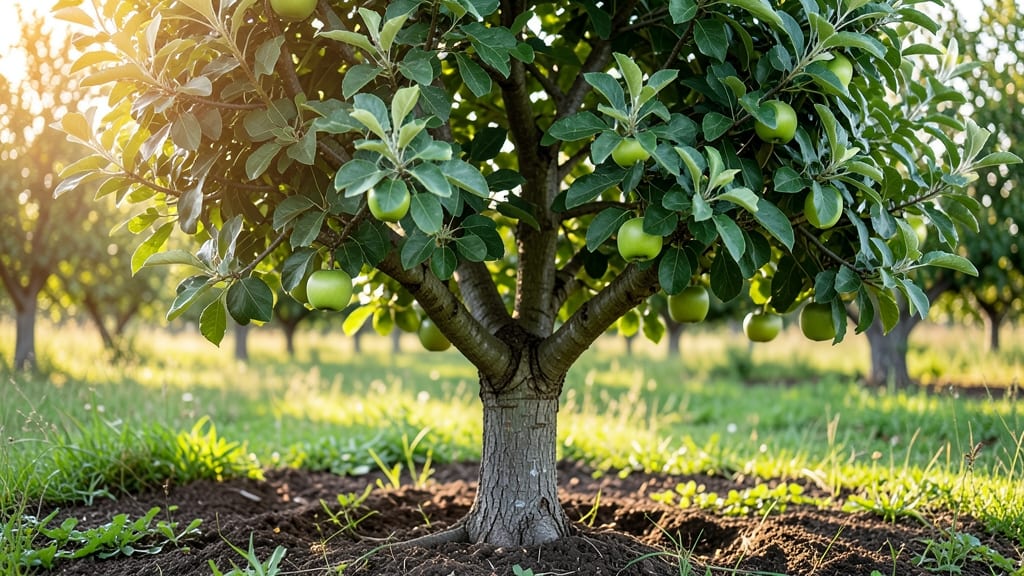
Granny Smith apple tree leaves aren’t just trash—they’re nature’s pest-repellent mulch. 🌿 I’ve used them for years to keep my orchard thriving without chemicals, and the difference is shocking. Those crisp, fallen leaves contain compounds that deter aphids, mites, and even fungal spores while improving soil structure.
The secret lies in their bitter scent and tannin content, which pests avoid. Spread them thickly under trees in early fall to smother weeds, retain moisture, and create a barrier against soil-borne diseases.
By spring, your Granny Smith will reward you with healthier roots and fewer pest problems—no sprays required.
📚 In This Guide
- What you need
- Instructions
- Tips and common mistakes
- Wrapping up and next steps
What you need
- ● Fresh or dried Granny Smith apple tree leaves – At least 5–10 lbs (2.3–4.5 kg), depending on orchard size. Harvest from healthy, pesticide-free trees.
- ● Garden gloves – Durable, nitrile-coated for protection against thorns and sap.
- ● Pruners or sharp scissors – For cleanly harvesting leaves without damaging branches.
- ● Compost bin or large tarp – To collect and store leaves before processing.
- ● Shovel or rake – For spreading mulch evenly around tree bases.
- ○ Watering can or hose – To dampen leaves before mulching (optional but recommended).
- ● Leaf shredder or lawn mower – To break down leaves into finer mulch for faster decomposition.
- ● Wood chips or straw – Mix in for added texture and pest-deterrent properties.
- ● Compost accelerator – Like worm castings or alfalfa meal, to speed up nutrient release.
- ● Landscape fabric – If layering mulch over grass to prevent weed growth.
How to use Granny Smith apple tree leaves as organic mulch
Here's how to turn those fallen leaves into a powerful, free pest-repellent mulch for your organic orchard.
🌿 Step 1: Collect and Prepare the Leaves
Rake up fresh Granny Smith apple leaves from around the tree, focusing on those that have fallen naturally rather than diseased ones. I always collect them on a dry day—they'll be easier to handle and won't clump together. Place them in a large container or directly onto a tarp for processing. The key here is freshness; older leaves may have started decomposing and could attract pests instead of repelling them.
If the leaves are still damp, spread them out in a single layer on a flat surface to dry for 24-48 hours. You'll know they're ready when they feel crisp and brittle rather than soft or mushy. This drying step is crucial because moisture can create the perfect environment for mold or slugs to take hold in your mulch.
🪴 Step 2: Shred or Chop the Leaves
Use pruning shears, a lawn mower, or a shredder to break the leaves into 1-2 inch pieces. Smaller pieces decompose faster and create a finer mulch layer that suppresses weeds more effectively. I like to chop them while still slightly damp—they'll shred more easily and won't clog the blades of my shredder. If you're using a lawn mower, run the leaves through 2-3 times for even smaller pieces.
Here's the thing—don't over-process them. You want fragments that still hold their shape enough to form a protective layer, but small enough to break down gradually over the season. If they're too fine, they'll compact into a mat that blocks water and air from reaching the soil.
💧 Step 3: Apply the Mulch to Orchard Beds
Spread the shredded leaves around the base of your fruit trees, focusing on a 3-foot diameter circle around the trunk. Aim for a 3-4 inch thick layer—this thickness provides enough weed suppression and pest-repellent benefits without smothering the tree's roots. I like to create a slight mound around the trunk to encourage water to run off rather than pool.
For best results, apply the mulch in early spring or late fall when temperatures are moderate and pests are less active. In spring, this gives the leaves time to break down before summer heat accelerates decomposition. In fall, it provides an insulating layer that protects roots from winter cold while repelling overwintering pests.
✂️ Step 4: Refresh and Maintain the Mulch Layer
Check the mulch layer every 4-6 weeks during the growing season. Rake it gently to aerate the soil underneath and redistribute any clumps. If the layer thins to less than 2 inches, add fresh shredded leaves to maintain the protective barrier. I always top up after heavy rains, which can wash away some of the mulch and expose the soil to weeds.
Watch for signs of decomposition—when the mulch turns darker and feels softer, it's breaking down as intended. This is actually a good sign! However, if you notice mold or a foul odor, the layer is too thick. In that case, remove some of the mulch and mix in a handful of dry soil or compost to improve aeration.
🌱 Step 5: Enhance with Optional Additives
For even greater pest control, mix in 1 part wood ash or crushed eggshells for every 10 parts leaf mulch. These additives create an alkaline environment that deters slugs, snails, and other common orchard pests. Sprinkle them evenly over the leaf layer and gently rake them in. I find this works especially well against codling moth larvae, which are notorious pests for Granny Smith apple trees.
Another trick I use is to sprinkle a light layer of diatomaceous earth (food-grade only) over the mulch in early spring. This natural powder disrupts the exoskeletons of soft-bodied pests like aphids and mites. Just be sure to reapply after rain, as water washes it away. The combination of leaf mulch and these additives creates a nearly impenetrable barrier against pests while improving soil health over time.
Tips & tricks for perfect Granny Smith apple leaf mulch
These practical insights will help you maximize the pest-repelling power of your apple leaves while avoiding common pitfalls that can turn your mulch into a pest magnet instead.
Selection Tip: When collecting leaves in Step 1, focus on those that have fallen naturally rather than those you've pruned off. Diseased or chemically treated leaves can introduce pathogens or residues to your soil. I always check for yellowing, spots, or holes—anything that looks off goes straight into the compost bin. Fresh, healthy leaves are the foundation of effective mulch.
Drying Strategy: The 24-48 hour drying period in Step 1 is non-negotiable for quality mulch. If you're short on time, spread the leaves on a screen or wire rack in direct sunlight—they'll dry faster but may bleach slightly. For even drying, flip the leaves halfway through the process. Overly damp leaves will clump and create anaerobic pockets that attract mold and slugs, completely negating the pest-repellent benefits.
Shredding Technique: For Step 2, I've found that running leaves through a lawn mower twice produces the ideal 1-2 inch pieces. If you don't have a shredder, use clean pruning shears and cut the leaves into uniform shapes—this consistency creates an even mulch layer. The key is balance: pieces should be small enough to break down but large enough to maintain structure and allow water penetration.
Seasonal Timing: The early spring or late fall application window in Step 3 is crucial for effectiveness. In spring, the mulch has time to establish before summer pests become active, while fall application provides winter protection. If you must apply in summer, do it during cooler morning hours to prevent the leaves from drying out too quickly and losing their pest-repellent properties.
Pro Tips for Granny Smith Apple Tree Leaves
- These practical insights will help you maximize the pest-repelling power of your apple leaves while avoiding common pitfalls that can turn your mulch into a pest magnet instead.
- Selection Tip: When collecting leaves in Step 1, focus on those that have fallen naturally rather than those you've pruned off.
- Drying Strategy: The 24-48 hour drying period in Step 1 is non-negotiable for quality mulch.
Frequently asked questions
Got questions about using Granny Smith apple tree leaves as mulch or pest control? You’re not alone! Here are some of the most common queries—and their answers—to help you get the most out of this eco-friendly resource.
Why do Granny Smith apple tree leaves turn yellow or brown before falling?
This is totally normal! Granny Smith leaves often yellow or brown as they age, especially in late summer or fall. The tree sheds them to conserve energy for winter. If you’re using them as mulch, just rake up the healthy green leaves first—they’ll break down faster and offer better pest protection.
Can I use Granny Smith leaves to repel pests year-round, or is there a best time?
While leaves work as a natural pest deterrent anytime, the best time to apply them is in early spring or late fall. In spring, they suppress weeds and deter slugs/snails; in fall, they smother overwintering pests. Avoid using them during heavy rain—wet leaves can attract fungus gnats or mold.
What’s the difference between using Granny Smith leaves vs. other apple tree leaves?
Granny Smith leaves are especially effective because their high tannin content makes them bitter, which repels pests like aphids, spider mites, and even deer. Other apple varieties may work, but Granny Smith’s leaves are tougher and decompose slower, providing longer-term protection.
Will Granny Smith leaves harm my soil if I use too many?
Nope! While they’re rich in tannins (which can lower soil pH slightly), they’re still organic and beneficial. Just avoid piling them too thickly around tree trunks—keep a 6-inch gap to prevent rot. Mix them with compost or straw for balanced decomposition.
Can I compost Granny Smith leaves, or should I toss them?
You can absolutely compost them! They’re a great “brown” material for carbon balance. Just shred them first to speed up decomposition. If you’re not composting, they make fantastic mulch—just let them dry out first to prevent mold.
Pro Tip:
For maximum pest control, crush the leaves slightly before spreading them. This releases more tannins and makes them harder for pests to move through. Plus, it speeds up the breakdown process!
Wrapping up and next steps
Transforming Granny Smith apple tree leaves into pest-repellent mulch is a game-changer for organic orchards—eco-friendly, cost-effective, and packed with benefits! From warding off pests to enriching soil naturally, these leaves offer a simple yet powerful solution for sustainable gardening. 🌿✨
Ready to put this knowledge to work? Start small—collect leaves from your trees, dry them, and test mulching in a corner of your garden. Watch your orchard thrive while keeping pests at bay!