
Pruning
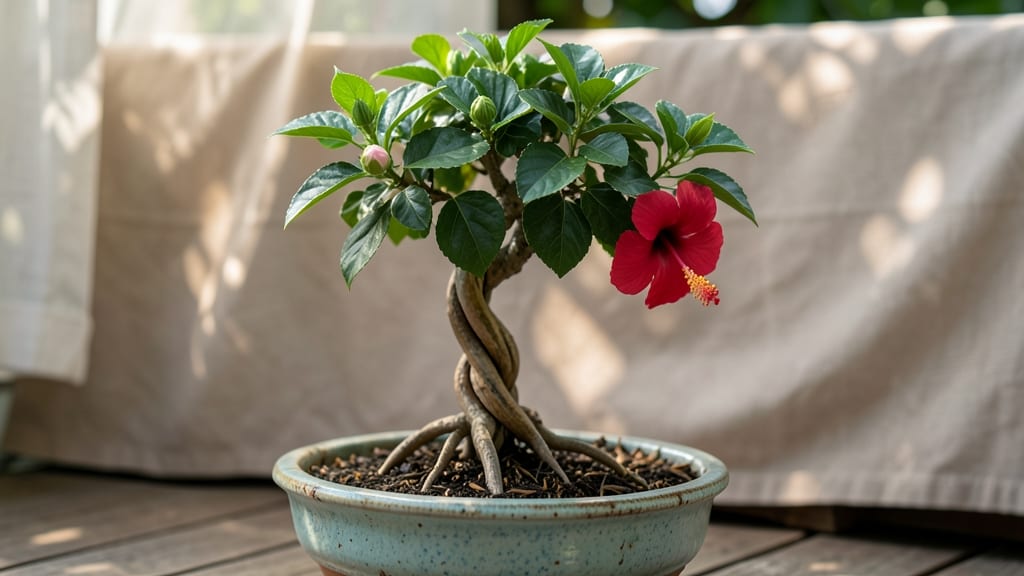
A hibiscus braided tree can reach 8 to 12 feet tall at maturity, but its height depends entirely on how you shape it—and whether you want a towering statement piece or a manageable centerpiece.
Struggling to keep your hibiscus braided tree at the perfect height without losing its stunning shape? Many gardeners face this challenge—especially when rapid growth threatens the delicate balance of its iconic braided trunk.
This isn’t just about cutting branches; it’s about understanding how sunlight, soil, and pruning timing work together to control growth while preserving that signature look. Too much sun? The tree will shoot up faster. Skip pruning? Those braids could stretch thin and lose their structure.
In this guide, I’ll break down the natural factors that influence height, share expert pruning techniques to keep it in check, and show you how to avoid the top 3 mistakes that turn a beautiful tree into a tangled mess.

Natural factors affecting hibiscus braided tree height and how to manage them
Your hibiscus braided tree grows at its own pace, shaped by a mix of genetics and environment. Understanding these natural factors helps you manage its height without sacrificing that signature braided trunk. From sunlight exposure to seasonal shifts, each element plays a role in how tall your tree becomes.
Genetics set the baseline height—most braided hibiscus varieties mature between 8-12 feet. However, environmental conditions can push this range higher or lower. For example, a tree in full sun may reach the upper limit, while one in partial shade could stay shorter.
Knowing these influences lets you adjust care to hit your target height.
Seasonal changes also impact growth. Spring and summer bring rapid elongation, while fall and winter slow things down. If you want to control height, timing your interventions—like pruning or fertilizing—with these cycles is key. Let’s break down the biggest factors and how to work with them.
| Factor | Impact on Height | Management Tip |
|---|---|---|
| Genetics | Determines 8-12 ft mature height | Choose dwarf varieties if space is limited |
| Sunlight | Full sun = faster, taller growth | Provide 6+ hours daily for optimal growth |
| Soil Quality | Poor drainage = stunted growth | Use well-draining soil with compost |
| Watering | Overwatering = leggy, weak growth | Water deeply 2-3x/week in summer |
| Season | Spring/summer = rapid growth | Prune in late winter to control height |
Sunlight is the most powerful growth accelerator for hibiscus braided trees. When planted in full sun (6+ hours daily), these trees grow taller and fuller. However, too much direct sun can also stress the plant, leading to uneven growth.
If your tree starts stretching toward the light, it’s a sign it needs more shade during peak afternoon hours.
Soil plays a hidden but critical role in height control. Compacted or nutrient-poor soil restricts root development, which in turn limits how tall your tree can grow. Amend the soil with organic matter like compost or aged manure before planting. This ensures roots can expand freely, supporting healthy upward growth.
Watering habits directly affect height. Overwatering leads to weak, leggy stems that struggle to support the braided structure, while underwatering stunts growth entirely. Aim for deep, infrequent watering—about 2,000ml weekly in summer—to encourage strong root systems and balanced height.
Seasonal timing matters more than you might think. The tree’s fastest growth phase occurs in spring and summer, when days are longer and temperatures are warmer. To manage height, prune just before this growth spurt—typically in late winter or early spring—to shape the tree while it’s still dormant.
Fertilizer choices can also influence height. A balanced NPK ratio (10-10-10) promotes even growth, while heavy nitrogen feeds can result in rapid but weak vertical growth. Apply fertilizer every 6-8 weeks during the growing season, but reduce amounts in fall to slow height increase before winter dormancy.
Wind exposure is another often-overlooked factor. Strong winds can cause the tree to lean or grow unevenly, which may force it to redirect energy toward stabilizing itself rather than growing upward.
If your tree is in a windy area, consider adding a light support stake during its first year to encourage straight, balanced growth.
Finally, remember that patience is key when managing a braided hibiscus tree. Rapid height adjustments—like aggressive pruning—can damage the delicate braided trunk. Instead, make small, incremental changes over time.
With the right balance of sunlight, soil, water, and seasonal care, you’ll guide your tree to the perfect height while preserving its stunning form.
Step-by-step pruning techniques to control height without damaging braided trunk
Pruning your hibiscus braided tree to control height requires precision to avoid harming its signature interwoven trunk. The key is timing—prune too early or aggressively, and you risk weakening the braided structure. My approach focuses on selective cuts that encourage lateral growth while preserving the tree’s unique silhouette.
Start by assessing your tree’s current height and growth rate; most braided hibiscus varieties reach 8-12 feet at maturity, but pruning can keep them between 6-8 feet for easier maintenance.
Before grabbing your pruners, gather the right tools: sharp bypass pruners for clean cuts, a sterilized saw for thicker branches, and pruning sealant to protect exposed wood. Avoid dull tools, as they crush stems and invite disease.
I also recommend wearing gloves to protect your hands from thorns and sap. The goal is to remove no more than 25% of the foliage in a single session to prevent stress on the tree’s delicate structure.
How to Prune Your Hibiscus Braided Tree for Height Control
- 1 Choose the right season: Prune in late winter or early spring (February-March) before new growth begins. Avoid fall pruning, as it stimulates tender growth that won’t harden off before frost. Never prune in summer—this stresses the tree during peak flowering.
- 2 Identify target branches: Focus on vertical shoots growing from the top third of the tree. These are the primary contributors to height. Use a 1-inch rule: if a branch is thicker than your thumb, it’s a candidate for removal. Preserve horizontal branches to maintain the braided look.
- 3 Make clean cuts: Cut just above a leaf node or outward-facing bud at a 45-degree angle. This encourages growth in the desired direction. For thicker branches, use a saw and seal the cut immediately with pruning sealant to prevent sap loss and disease.
- 4 Thin the canopy: Remove 1-2 older branches from the lower trunk to improve airflow and light penetration. This also encourages the tree to fill in its braided structure more densely. Avoid "heading back" (cutting back to a bud), as this can disrupt the braided pattern.
- 5 Post-pruning care: Water deeply after pruning to help the tree recover. Apply a balanced fertilizer (10-10-10) to support new growth. Monitor the tree for 3-4 weeks and avoid heavy pruning again until next season.
After pruning, your hibiscus braided tree will redirect energy into lateral branches, thickening its braided trunk and creating a fuller silhouette. I’ve found that pruning in February yields the best results, as the tree enters its growth phase with a clear structural plan.
Avoid the temptation to prune heavily in one session—gradual adjustments over 2-3 years yield the best long-term shape without shocking the tree.
Pro tip: Take before-and-after photos to track progress. I’ve seen dramatic changes in just one season when pruning consistently. If your tree’s braided trunk starts to loosen or separate, reduce pruning intensity and focus on supporting the structure with gentle stakes if needed.
The goal is to guide growth, not force it.
For container-grown braided hibiscus, prune 10-15% less than outdoor trees, as root restriction limits recovery. Always use sterilized tools to prevent bacterial or fungal infections, which can weaken the braided trunk over time.
With patience and precision, you’ll maintain that stunning braided look while keeping your tree at your desired height.