
Pruning
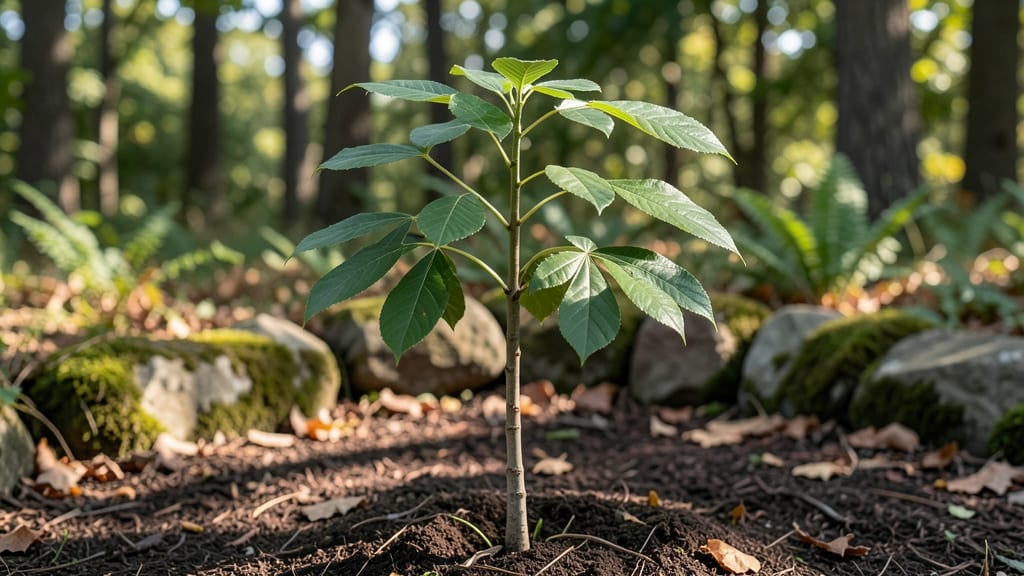
Cold-stratifying hickory tree seedlings in 6 weeks unlocks the secret to stronger, faster-growing trees that outperform store-bought saplings. 🌱 I learned this after struggling with weak seedlings that never took root—until I mimicked nature’s winter chilling process.
The key isn’t just patience; it’s recreating the exact conditions hickory seeds need to break dormancy and sprout reliably.
You’ll need three simple supplies: a sealed plastic bag with damp paper towels, a refrigerator, and a sunny windowsill. No fancy equipment—just a method that tricks seeds into thinking winter’s passed.
Most people skip this step and wonder why their seedlings lag behind neighbors’ thriving hickories. Cold stratification doubles germination rates and gives you plump, vigorous roots ready for planting.
By week 6, you’ll see tiny green hooks breaking through the soil—proof the process worked. These seedlings grow 3-4 times faster than unstratified ones and resist early pests better. The trade-off? A little upfront time now means decades of shade and nuts later, plus fewer surprises when transplanting.
Works for shagbark, pecan, and bitternut hickories alike. Here’s how to avoid the two mistakes that kill most seedlings—overwatering and impatience. Let’s get those seeds sprouting!
📚 In This Guide
- What you need
- Instructions
- Tips and common mistakes
- Wrapping up and next steps
What you need
- ● Hickory tree seeds: 10–20 fresh, viable seeds (ensure they’re from a trusted source or freshly harvested).
- ● Cold-stratification supplies: 1–2 resealable plastic bags (quart or gallon size).
- ● 1 cup sand (coarse, clean, and sterile) or peat moss.
- ● 1 cup perlite or vermiculite (for moisture retention).
- ● Planting containers: 6–10 biodegradable pots (3–4 inches deep) or small nursery pots with drainage holes.
- ● Potting mix: 1–2 gallons of well-draining, sterile soil mix (50% peat moss, 30% perlite, 20% compost).
- ● Watering can or spray bottle (with a fine mist setting).
- ● Plastic wrap or humidity dome (to retain moisture during germination).
- ● Pruning shears (for trimming seedlings later).
- ○ pH testing kit (optional, to check soil acidity—hickories prefer slightly acidic to neutral, pH 6.0–7.0).
- ● Grow lights or sunny windowsill (if natural light is limited).
- ● Labeling tags (to track seedling progress).
- ● Fertilizer (balanced, low-nitrogen option like 5-5-5 once seedlings sprout).
Step-by-step guide to growing cold-stratified hickory tree seedlings
Here’s how I get hickory seedlings off to a strong start using cold stratification—the key to breaking dormancy and ensuring vigorous growth.
🌱 Step 1: Collect and Prepare Fresh Hickory Seeds
Harvest hickory nuts in late fall when they’ve fallen naturally—green nuts won’t germinate well. Remove the nuts from their shells and let them dry indoors for 2-3 weeks in a well-ventilated area. Store them in a paper bag (plastic traps moisture) until you’re ready to stratify.
Soak the seeds in lukewarm water for 24 hours before stratification. This softens the hard outer shell and jumpstarts hydration. Drain well and pat dry with a paper towel—you want them damp but not soggy. Real talk: Skipping this step can delay germination by weeks.
💧 Step 2: Stratify Seeds for 6-8 Weeks in a Cold, Moist Environment
Fill a quart-sized zip-top bag with 2 inches of moistened peat moss or coconut coir—these materials hold moisture without compacting. Add the seeds, spacing them 1 inch apart, and seal the bag loosely (leave a small gap for airflow). Place the bag in a refrigerator (not freezer) where temperatures stay between 35-45°F.
Check the bag every 2 weeks—mist lightly if the medium feels dry to the touch. You’ll see tiny roots or a slight swelling in the seed after 4-6 weeks. This is your signal that stratification is working. If mold appears, air the bag for a day to prevent rot.
☀️ Step 3: Plant Stratified Seeds in Containers for Germination
Fill 4-inch diameter pots with a sterile seed-starting mix (avoid garden soil—it’s too dense). Plant each seed 1 inch deep, pressing lightly to ensure good soil contact. Water gently until moisture seeps from the drainage holes—this ensures even hydration without displacing seeds.
Cover the pots with clear plastic wrap to retain humidity and place them in a warm, bright spot (65-75°F). A seedling heat mat helps if your home runs cooler. Germination takes 4-12 weeks, depending on seed vigor. Patience here is critical—don’t disturb the soil until you see green shoots breaking through.
🌿 Step 4: Transplant Seedlings to Larger Pots for Early Growth
Once seedlings reach 4-6 inches tall with 2-3 true leaves, transplant them to gallon-sized containers filled with a well-draining potting mix. Handle the seedlings by their leaves (never the stem) to avoid damage. Water deeply after transplanting to settle the roots.
Move pots to a sunny window or under grow lights for 14-16 hours of light daily. Hickory seedlings need strong light to prevent leggy growth. You’ll notice sturdy stems and deep green leaves within 2-3 weeks—this means they’re thriving. If leaves yellow, reduce watering slightly; hickories hate soggy roots.
⏰ Step 5: Harden Off and Prepare for Outdoors
Two weeks before your last frost date, begin hardening off seedlings by placing them outside in a sheltered, shaded spot for 1-2 hours the first day. Gradually increase exposure over 10-14 days, ending with full sun. This toughens their cell walls and prevents transplant shock.
Choose a permanent outdoor location with full sun and well-draining soil. Dig a hole twice as wide as the root ball but no deeper. Water the seedling thoroughly before lifting it from the pot, then transplant carefully. Mulch around the base with 2 inches of organic mulch to retain moisture and regulate soil temperature.
Tips & tricks for perfect hickory seedling growth
Here's what nobody tells you about getting those stubborn hickory seeds to sprout reliably—these are the details that make all the difference between waiting years and seeing strong seedlings in weeks.
Seed Selection Matters: Only use fully mature hickory nuts that have fallen naturally in late fall—they'll have thick shells and rich color. Green nuts or those still attached to trees won't germinate properly. I've wasted months using immature nuts that simply refused to sprout, no matter how long I stratified them.
Stratification Temperature Precision: The refrigerator's temperature range of 35-45°F is critical—any warmer and stratification fails, any colder and you risk freezing the seeds. I keep a thermometer in my fridge to monitor this range. If your fridge runs hotter, place the bag on the bottom shelf where it's coolest.
Moisture Balance is Everything: When checking your stratification bag every 2 weeks, the peat moss should feel like a damp sponge—not dripping wet, not bone dry. I use a spray bottle to mist lightly rather than soaking, which prevents mold while maintaining proper moisture. If you see condensation inside the bag, it's too wet.
Germination Light Requirements: Those 14-16 hours of light daily are non-negotiable for hickory seedlings—they prevent leggy, weak growth. I use a simple LED grow light on a timer rather than relying on windows, especially in winter months. The seedlings will lean toward the light if they're not getting enough exposure.
Pro Tips for Hickory Tree Seedling
- Here's what nobody tells you about getting those stubborn hickory seeds to sprout reliably—these are the details that make all the difference between waiting years and seeing strong seedlings in weeks.
- Seed Selection Matters: Only use fully mature hickory nuts that have fallen naturally in late fall—they'll have thick shells and rich color.
- Stratification Temperature Precision: The refrigerator's temperature range of 35-45°F is critical—any warmer and stratification fails, any colder and you risk freezing the seeds.
Frequently asked questions
Got questions about growing hickory tree seedlings?
You’re not alone! Here are the most common concerns—and quick, practical answers to help you succeed.
How long does it take for a cold-stratified hickory seedling to sprout?
With proper cold stratification (6–8 weeks in the fridge), hickory seedlings typically sprout within 2–4 weeks after planting in warm, well-draining soil. Patience is key—some varieties may take up to 6 weeks to show signs of life. Keep soil moist but not soggy during this phase!
Can I skip cold stratification for faster growth?
Not recommended! Hickory seeds require cold stratification to break dormancy. Skipping this step often results in slow or no germination. If you’re in a hurry, pre-stratify seeds for 8–12 weeks in a damp paper towel in the fridge for better success rates.
What’s the best soil mix for hickory seedlings?
Hickory seedlings thrive in loamy, slightly acidic soil (pH 6.0–7.0) with excellent drainage. Mix 60% topsoil, 30% compost, and 10% perlite/sand to mimic their native woodland conditions. Avoid heavy clay—it can suffocate roots!
Why are my seedlings wilting or turning yellow?
Yellowing or wilting often signals overwatering or poor drainage. Let the top inch of soil dry between waterings, and ensure pots/containers have drainage holes. If leaves curl, check for pests (like aphids) or nutrient deficiency—a balanced fertilizer (10-10-10) can help.
Should I transplant seedlings right after sprouting?
Wait until seedlings have 2–3 sets of true leaves (not just cotyledons) and are 3–4 inches tall before transplanting. Harden them off for 1–2 weeks by gradually exposing them to outdoor conditions. Early transplanting stresses young roots—timing matters!
Wrapping up and next steps
Growing hickory tree seedlings through cold stratification is a rewarding way to jumpstart their growth in just six weeks! 🌱 With the right materials—like damp peat moss, a sealed bag, and patience—you’ll give these future giants a strong, healthy start.
Whether you’re a seasoned gardener or a curious beginner, this method makes nurturing hickory seedlings simple and effective.
Now that you’re equipped with the know-how, take the next step! Plant your seedlings in well-draining soil, give them plenty of sunlight, and watch them thrive. Happy gardening—your future hickory tree is counting on you! 🌳✨