
Pruning
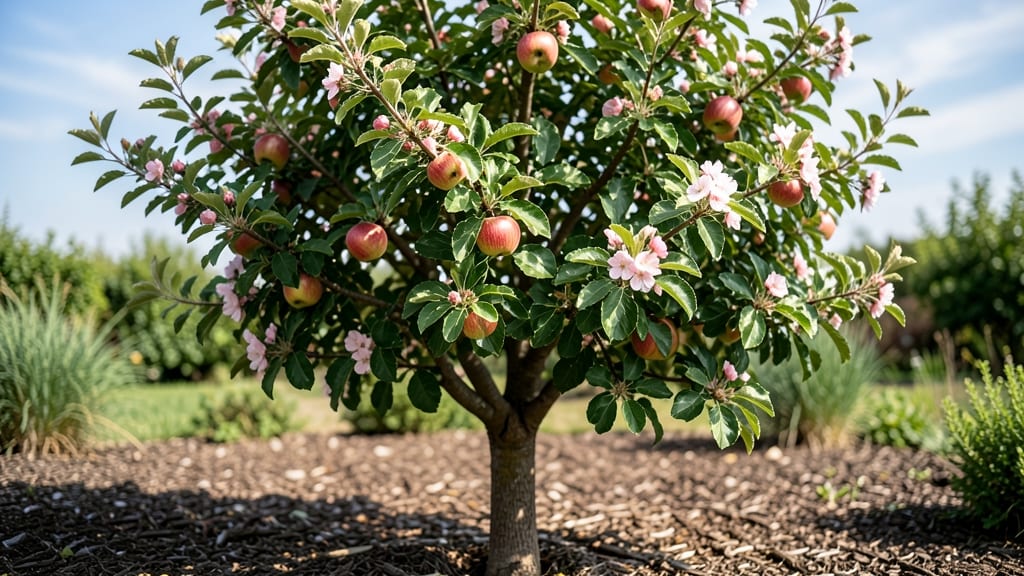
Caring for a Honeycrisp apple tree means juicy, crisp harvests that put store-bought fruit to shame—if you prune like a pro. 🌳 I’ve watched my Honeycrisp go from scraggly sapling to a fruit-loaded centerpiece, and the secret isn’t just water or fertilizer—it’s strategic pruning that keeps the tree healthy and productive year after year.
The first step? Planting in well-draining soil with a pH between 6.0 and 7.0—too acidic, and your tree fights to absorb nutrients. Then, water deeply once a week (more in summer heat), keeping the roots moist but never soggy.
But here’s the game-changer: prune in late winter to shape the tree and remove dead wood, then do a light summer trim to improve airflow and fruit quality. By summer’s end, you’ll see plump, glossy apples hanging like nature’s candy, and the tree will reward you for years.
The key is balancing structure (strong branches) with fruit production (open center). Even if you’ve never pruned before, this method works—just follow the 3-D cuts rule (cut at a 45-degree angle, ¼ inch above a bud).
Works for backyard orchards, containers (dwarf varieties), or even urban patios with the right care. Let’s get growing!
📚 In This Guide
- What you need
- Instructions
- Tips and common mistakes
- Wrapping up and next steps
What you need
- ● Honeycrisp apple tree: 1-2 bare-root or potted saplings (choose disease-resistant varieties like Honeycrisp or Honeygold)
- ● Shovel: 1 medium-sized digging shovel (for planting and soil prep)
- ● Garden fork: 1 for breaking up compacted soil
- ● Compost or well-aged manure: 5–10 gallons (to enrich planting hole soil)
- ● Slow-release fertilizer: 1–2 lbs (balanced 10-10-10 or organic option like fish emulsion)
- ● Mulch: 2–3 inches of wood chips or straw (to retain moisture and suppress weeds)
- ● Drip irrigation or soaker hose: 1 (for consistent watering)
- ○ Tree stakes (optional): 2–4 (if planting in windy areas)
- ● Pruning shears: 1 pair (bypass pruners for small branches, <1-inch diameter)
- ● Loppers: 1 pair (for branches 1–2 inches thick)
- ● Pruning saw: 1 (for thick branches, 2+ inches)
- ● Disinfectant (70% isopropyl alcohol or bleach solution): 1 small bottle (to sterilize tools between cuts)
- ○ Rubbing alcohol or wound dressing: 1 small bottle (for sealing large cuts, optional)
- ● Gloves: 1 pair (cut-resistant for safety)
- ● Ladder or step stool: 1 (for reaching higher branches)
- ● Fruit tree spray (organic or chemical): 1 bottle (for pest/disease prevention, e.g., neem oil or copper fungicide)
- ● Thin fabric or tree wrap: 1 roll (to protect young bark from sun/squirrels in winter)
- ● Bird netting: 1 roll (if birds are a problem during harvest)
- ● pH test kit: 1 (to monitor soil health, ideal pH: 6.0–6.5 for apples)
Step-by-Step Honeycrisp apple tree care: year-round maintenance
Mastering this variety means balancing precision pruning with seasonal adjustments—here's how I keep my Honeycrisp trees producing bushels of crisp fruit annually.
✂️ Step 1: Late Winter Dormant Pruning for Structure
Prune your Honeycrisp tree in late winter while it's still dormant but before buds swell—typically February to early March in most climates. Remove dead, crossing, or inward-growing branches first using clean, sharp pruners. These are your structural priorities: they crowd the center and block light penetration, which reduces fruit quality.
Next, cut back last year's growth by about one-third to encourage new, vigorous shoots. Look for U-shaped branch collars—never cut flush with the trunk. I make angled cuts just outside the branch collar to prevent water from pooling and rotting the wound. For branches thicker than ½ inch, seal larger cuts with pruning sealant to minimize disease entry points.
🌿 Step 2: Spring Growth Management and Thinning
Once buds break in early spring, switch to light maintenance pruning to shape the tree and improve air circulation. Remove any suckers (shoots growing from the base) immediately—they drain energy from fruit production. Thin out weak, spindly growth that won't bear fruit, keeping only the strongest, outward-facing branches.
When blooms appear, thin clusters to 4-6 flowers per spur (the short fruit-bearing branches). This ensures larger, higher-quality apples. I use sharp pruning shears for precision cuts, avoiding tearing that can damage the tree. After thinning, apply a balanced 10-10-10 fertilizer to support new growth—follow package rates for your tree's size.
☀️ Step 3: Summer Fruit and Pest Monitoring
Throughout summer, monitor for fruit borers, aphids, or codling moths—common Honeycrisp pests. Inspect leaves weekly for holes, webbing, or sticky residue (aphid honeydew). Treat infestations immediately with neem oil or insecticidal soap, applying in the early morning to avoid harming pollinators. For severe cases, use Bt (Bacillus thuringiensis) for organic control.
Thin excess fruit in June to 6-8 inches apart on branches. Overloaded branches break under weight, and apples become small and sour. Remove misshapen or damaged fruit first, then cull the smallest apples. This step is critical—Honeycrisp trees produce heavy crops, and thinning ensures larger, sweeter apples with better color development.
🍏 Step 4: Fall Cleanup and Winter Prep
After harvest, remove all fallen fruit and leaves from the base to prevent disease overwintering. Rake up debris and compost it—never leave it under the tree. Apply a 2-3 inch layer of mulch (wood chips or straw) around the base, keeping it 6 inches away from the trunk to prevent rot. This insulates roots and retains moisture for next year's growth.
In late fall, spray the tree with dormant oil to smother overwintering pests like scale insects and mites. Avoid applying when temperatures are below 40°F—the oil can damage buds. If your tree shows signs of fire blight (blackened branches with oozing cankers), prune infected wood 6 inches below the damage and sterilize your tools with rubbing alcohol between cuts.
⏰ Step 5: Year-Round Soil and Nutrient Care
Test your soil annually in early spring—Honeycrisp trees thrive in slightly acidic soil (pH 6.0-6.5). Amend with compost or peat moss if needed to adjust pH or improve drainage. I top-dress with slow-release fertilizer in March and August, using ½ pound of nitrogen per inch of trunk diameter. For example, a 4-inch diameter tree gets 2 pounds of nitrogen split between applications.
Water deeply once weekly during dry spells, aiming for 1-1.5 inches of water per session. Use a soaker hose to deliver moisture directly to the root zone without wetting foliage—this reduces fungal diseases. In drought-prone areas, add 2-3 inches of mulch in summer to retain moisture. Avoid overhead watering, especially in the evening, to prevent fungal spores from settling on leaves.
Tips & tricks for perfect Honeycrisp apple tree care
Precision timing and technique are everything when nurturing Honeycrisp apple trees—here's how to elevate your seasonal maintenance game.
Pruning Precision: In Step 1, when cutting back last year's growth by one-third, focus on removing branches that grow inward or cross each other. These structural cuts create an open center that improves airflow and sunlight penetration—critical for preventing fungal diseases like apple scab. I always make my cuts just outside the branch collar (that U-shaped ridge) to maintain the tree's natural healing ability. For branches thicker than ½ inch, sealing with pruning sealant immediately after cutting prevents moisture buildup that invites rot.
Seasonal Timing Matters: The February to early March window for dormant pruning is non-negotiable—buds must remain unopened to avoid stressing the tree. If you miss this window, wait until late spring after blooming, but you'll sacrifice some of the tree's vigor for the season. In Step 2, when thinning blooms to 4-6 flowers per spur, remember that fewer flowers mean fewer apples, but each one will be significantly larger and of higher quality. This is where the Honeycrisp's signature sweetness and crunch really shine.
Pest Prevention Strategy: During summer monitoring (Step 3), I've found that early morning applications of neem oil or insecticidal soap are most effective because they allow the solution to dry before pollinators become active. For codling moth control, I set up pheromone traps in June—their presence is often the first sign of an impending infestation. When thinning fruit in June, prioritize removing misshapen apples first; they're less likely to develop properly and will compete with healthy fruit for nutrients.
Soil Science: The annual soil test in early spring is your foundation—Honeycrisp trees are particularly sensitive to soil pH. If your test shows pH outside the 6.0-6.5 range, amend with compost or peat moss before applying fertilizer. I've seen trees with perfect pruning and pest control still struggle because their soil wasn't properly balanced. When calculating nitrogen amounts (½ pound per inch of trunk diameter), always measure the trunk at chest height for consistency. For a 4-inch diameter tree, that's exactly 2 pounds of nitrogen split between March and August applications.
Pro Tips for Honeycrisp Apple Tree Care
- Precision timing and technique are everything when nurturing Honeycrisp apple trees—here's how to elevate your season...
- Pruning Precision: In Step 1, when cutting back last year's growth by one-third, focus on removing branches that grow...
- Seasonal Timing Matters: The February to early March window for dormant pruning is non-negotiable—buds must remain un...
Frequently asked questions
Got questions about keeping your Honeycrisp apple tree happy and productive?
Here are answers to the most common ones—so you can grow juicy, crisp apples with confidence!
When is the best time to prune a Honeycrisp apple tree?
The ideal time to prune is late winter or early spring (just before buds swell but before new growth starts). This promotes strong growth and fruit production. Avoid heavy pruning in fall, as it can stimulate tender shoots vulnerable to winter damage. Light cleanup pruning (removing dead/diseased branches) can happen anytime.
How often should I prune my Honeycrisp apple tree?
Young trees (1–3 years old) need annual pruning to establish structure. Mature trees (4+ years) require light pruning every 1–2 years, focusing on removing dead wood, crossing branches, and thinning for airflow. Over-pruning weakens the tree—aim for no more than 20–25% of the canopy per year.
What should I do if my Honeycrisp apple tree has pests or diseases?
Start with preventative care: Remove fallen fruit/debris, thin canopies for airflow, and apply copper fungicide or neem oil in early spring. Common issues include:
- Apple scab: Prune infected branches; use fungicides like Myclobutanil.
- Codling moths: Hang pheromone traps or use Bt (Bacillus thuringiensis).
- Fire blight: Cut out infected branches 6 inches below the lesion; sterilize tools.
For severe infestations, consult a local extension service for targeted solutions.
Why aren’t my Honeycrisp apples as sweet or crisp as they should be?
Crispness and sweetness depend on tree health, thinning, and maturity:
- Thin fruit early (when apples are pea-sized) to reduce crowding and improve size/sweetness.
- Ensure consistent watering (1–1.5 inches/week), especially during fruit development.
- Fertilize in early spring with balanced 10-10-10 or orgainc matter (compost/manure).
- Patience! Honeycrisp trees bear heavy crops in years 5–7—young trees may produce smaller, less flavorful fruit.
If issues persist, test soil pH (ideal: 6.0–6.5) and adjust with lime or sulfur.
Can I grow a Honeycrisp apple tree in a container?
Yes, but choose dwarf or semi-dwarf varieties (e.g., ‘Honeycrisp’ grafted onto M.9 or B.9 rootstock). Use a 15–20 gallon pot with drainage holes, well-draining soil (50% potting mix, 50% compost), and full sun (6+ hours/day). Container trees need:
Wrapping up and next steps
Caring for your Honeycrisp apple tree is a rewarding journey that blends science with patience!
With the right tools, seasonal pruning techniques, and a little love, you’ll enjoy sweet, crisp apples for years to come. 🍏✨ Remember, every trim shapes not just the tree but its future harvest—so embrace the process.
Now that you’re armed with knowledge, roll up your sleeves and schedule your first pruning session! Start small, observe your tree’s growth, and soon, you’ll be a pruning pro. Happy gardening!