
How To
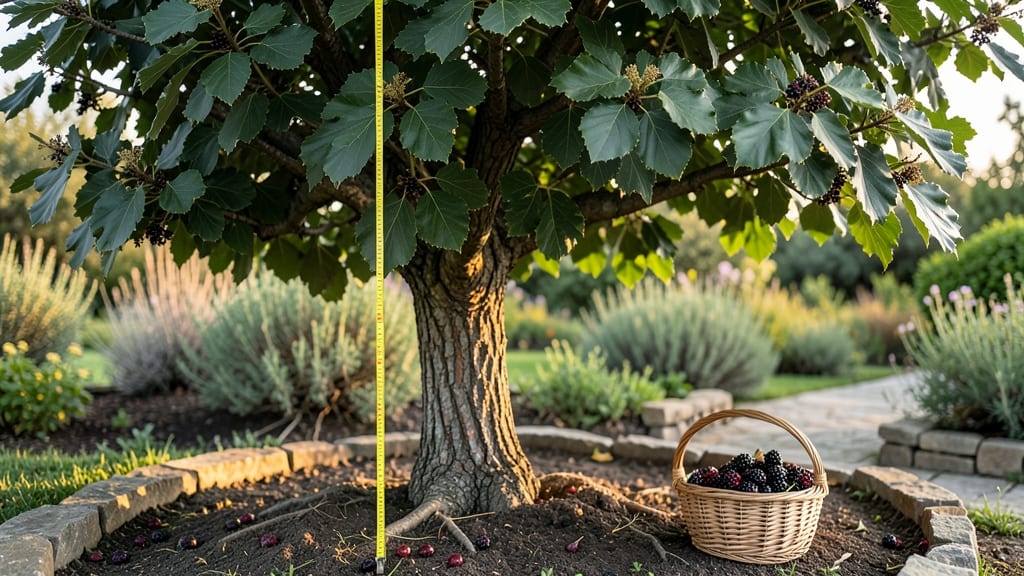
A mulberry tree can grow how tall can a mulberry tree grow anywhere from 15 feet to towering heights of 80 feet, depending on the variety and growing conditions. If you’ve ever dreamed of growing one but worried about space—or imagined a backyard giant—you’re not alone.
Some mulberries stay compact, perfect for small gardens, while others shoot up like skyscrapers in just a few years. The difference comes down to three key factors: the type you plant, how you prune it, and where you grow it.
Whether you’re eyeing a dwarf variety for a patio or a fast-growing giant for shade, this guide breaks down the exact heights you can expect—and how to keep your tree at your ideal size.
You’ll discover which mulberries stay short, which ones reach 50 feet in a decade, and the simple pruning tricks to control their growth. Let’s get started.

Mulberry tree height by variety: from dwarf to giant (exact measurements)
Choosing a mulberry tree often comes down to one big question: how tall can it grow? The answer varies wildly—from a compact 3-foot dwarf perfect for containers to a 70-foot giant that needs acres of space.
Your yard’s size, climate, and pruning habits will determine which variety thrives. Let’s break down the exact heights of 10 popular mulberries, plus how to manage their growth for your space.
Mulberries fall into three height categories: dwarf (3–8 ft), standard (20–30 ft), and giant (50+ ft). The genetics of each variety set the baseline, but your pruning routine and growing conditions can push a tree taller—or keep it shorter.
For example, the Texas Evergreen naturally tops out at 30 feet, but aggressive pruning can shrink it to 15 feet. Meanwhile, the Illinois Everbearing can shoot up to 60 feet if left unchecked.
Here’s the critical comparison: dwarf varieties like Morus alba ‘Compacta’ stay under 8 feet, making them ideal for urban backyards or patios. Standard types like Morus nigra (black mulberry) reach 25–30 feet, perfect for suburban lots.
And giant varieties like Morus alba ‘Champagne’ can dwarf a two-story house, requiring rural settings or large estates. Your climate also plays a role—southern zones (7–10) see faster growth, while northern zones (5–6) may stunt height slightly.
🌱