
How To
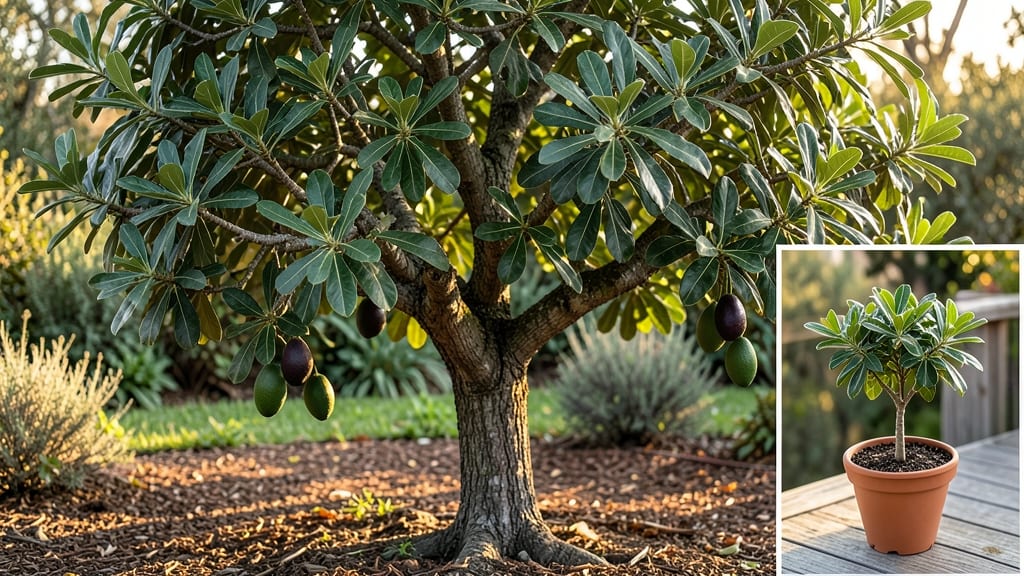
An avocado tree can grow anywhere from 20 to 80 feet tall 🥑, depending on the variety and growing conditions—far taller than most backyard trees.
If you’ve ever dreamed of growing your own avocados, you might be surprised by how massive these tropical trees can become—some reaching heights that dwarf even the tallest backyard trees.
But before you plant, understanding the mature size of an avocado tree by variety and growing conditions is key to planning your garden space wisely.
Standard varieties like Hass or Fuerte can shoot up to 80 feet in frost-free zones, while dwarf types stay under 15 feet, making them perfect for containers or small patios. The difference comes down to genetics, pruning, and whether you’re growing it indoors or outdoors.
In this guide, I’ll break down how tall your avocado tree could grow based on its type, how to control its size with pruning, and whether a 20-foot ceiling or a 6-foot container is right for your space.

Mature height of avocado trees by popular varieties: what to expect
Avocado trees are stunning tropical plants, but their mature heights can vary dramatically depending on the variety and growing conditions. While some tower over your backyard, others stay compact enough for containers or small urban gardens.
Knowing these differences helps you choose the right tree for your space and climate zone.
Standard avocado trees can reach heights of 30 to 80 feet, making them unsuitable for most home gardens unless you have ample space. However, dwarf and semi-dwarf varieties offer more manageable options, often staying under 15 to 25 feet.
Below, we break down the mature heights of popular varieties to help you plan.
🌱 Key Insight: Even dwarf varieties need proper care to stay compact. Pruning, container size, and sunlight exposure all play critical roles in controlling height. Always check the grower’s recommendations for specific varieties, as conditions can alter growth patterns.
The Hass variety is the most popular in the U.S., but its standard size (30–80 ft) makes it impractical for most homeowners. If you’re limited on space, consider the Lamb Hass dwarf variety, which tops out at 15 feet and thrives in containers as large as 15-gallon pots.
This variety is perfect for patios or balconies in warmer climates like USDA Zones 9–11.
For those with medium-sized yards, the Fuerte and Bacon varieties offer a balance. Both reach 25–50 feet but produce high-quality fruit with less aggressive growth than Hass. Pruning these trees annually can help manage their height, especially if you want to keep them near walkways or fences.
If you’re growing avocados in containers, prioritize dwarf or semi-dwarf varieties like Mexicola or Wurtz. These stay under 25 feet and adapt well to large pots (20+ gallons). Remember, container-grown trees need regular pruning to prevent root-bound stress and maintain compact growth.
💡 Pro Tip: Even dwarf varieties can grow taller if not pruned. Use a 3-tier pruning approach: remove dead branches in winter, shape the canopy in spring, and trim new growth in summer to control height. Always sterilize pruning tools to prevent disease.
Climate also impacts height. In cooler zones (USDA 8–10), avocado trees grow slower and may stay shorter than their tropical counterparts. Wind exposure can stunt growth, while protected microclimates encourage taller, fuller trees.
If you’re in a windy area, choose a semi-dwarf variety and stake young trees for support.
Finally, don’t overlook the rootstock used for grafting. Dwarf varieties are often grafted onto stunted rootstock, which naturally limits height. When shopping, ask nurseries about the rootstock type—some claim "dwarf" but may still reach 20+ feet without pruning.
🌿 Whether you’re dreaming of a backyard orchard or a container-grown avocado, choosing the right variety is the first step. Now that you know the mature heights, you can plan your garden layout with confidence—balancing space, sunlight, and your long-term care routine.
How growing conditions affect avocado tree height: sun, soil, and pruning tips
Avocado trees thrive under the right conditions, but their height growth can vary dramatically based on sunlight, soil quality, and care practices. In ideal conditions, a standard Hass avocado tree can reach 60-80 feet tall, while proper pruning and container growing can keep dwarf varieties under 10 feet.
Understanding these factors helps you control your tree’s size while maximizing fruit production.
Sunlight is the most critical factor—full sun exposure (6+ hours daily) fuels rapid vertical growth, while partial shade slows height increases by 30-50%. Poor soil drainage or nutrient deficiencies can stunt growth entirely, leaving your tree struggling to reach even half its potential height.
Let’s break down how each condition impacts your avocado’s growth trajectory.
Growing Conditions That Affect Avocado Tree Height
✔ Maximizes growth rate
✔ Encourages taller, stronger trunks
✔ Boosts fruit production
⚠ Slows height growth by 30-50%
⚠ Weakens trunk structure
⚠ Reduces flowering/fruiting
✔ Prevents root rot
✔ Supports faster vertical growth
✔ Ideal pH: 6.0-7.0
⚠ Stunts growth entirely
⚠ Causes root diseases
⚠ Leads to leaf drop and dieback
✔ Controls height and spread
✔ Improves airflow
✔ Increases fruit accessibility
⚠ Leads to uncontrolled height
⚠ Increases disease risk
⚠ Blocks sunlight to lower branches
Pruning is your best tool for managing avocado tree height, especially in small gardens or containers. I recommend pruning in late winter or early spring before new growth begins. Remove 1/3 of the canopy to encourage bushier growth and redirect energy toward fruit production.
For container-grown trees, prune aggressively every 6 months to prevent height from exceeding 8-10 feet.
Watering practices also play a surprising role—overwatering can lead to weak, leggy growth, while underwatering stunts height entirely. I water my container avocados every 3-5 days in summer, ensuring the soil stays consistently moist but not soggy.
In-ground trees need deep watering once weekly during dry spells to support healthy vertical growth.
If you’re growing avocados in USDA Zone 6 or colder, expect slower height growth due to shorter growing seasons. I’ve found that container growing extends the season by 4-6 weeks, allowing my tree to reach 3-5 feet taller than in-ground counterparts.
Use black plastic pots to absorb heat and protect roots from frost.
For maximum control, combine dwarf rootstock with regular pruning. My Mexicola variety stays under 10 feet tall even without aggressive pruning, thanks to its natural growth habit. Pair this with well-draining soil and full sun exposure, and you’ll have a fruit-bearing tree that fits even the smallest patio.