
How To
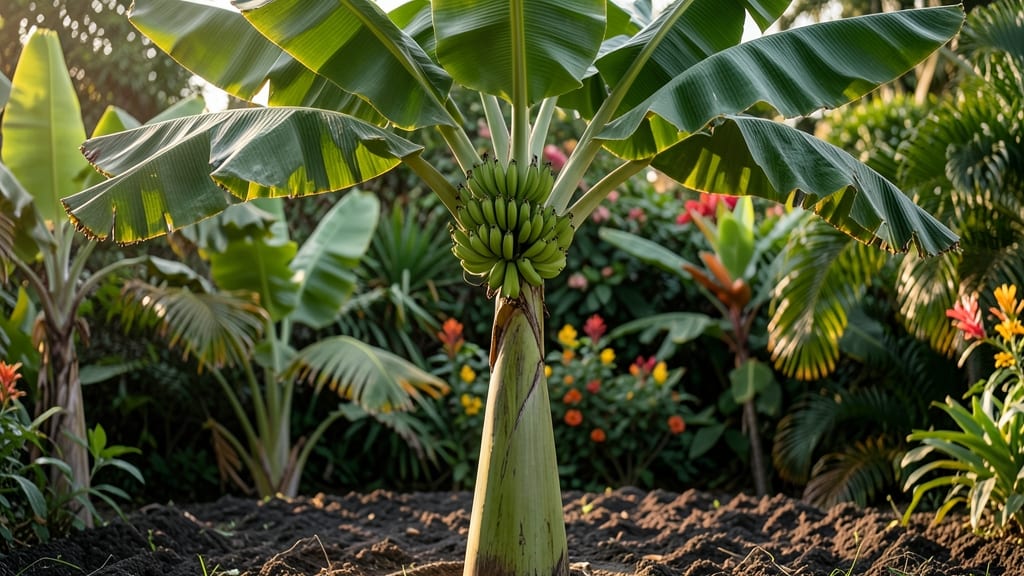
A banana tree 🍌 can grow anywhere from 10 to 30 feet tall, depending on the variety and how you care for it—but that height isn’t always what it seems.
If you’ve ever dreamed of harvesting your own bananas but wondered whether a banana tree will tower over your backyard—or fit neatly in a container—you’re not alone.
The truth is, some varieties stay compact enough for patios, while others reach the height of a two-story house. The key? Choosing the right type for your space and learning how to manage its growth.
In this guide, I’ll break down exact heights by variety, share tips to control size, and help you decide whether a dwarf or a giant is right for your garden.

Banana tree height by variety: from dwarf to giant species
Choosing the right banana tree variety can mean the difference between a container-friendly plant and a 20-foot backyard giant. While most people picture towering banana trees, some varieties stay compact enough for patios or even indoor growing.
The key is understanding how each cultivar matures—whether it's the dwarf Cavendish at just 8 feet or the Red Dacca reaching 30 feet in tropical climates.
Banana trees grow from a pseudostem (a tightly packed leaf structure), not a true trunk, which makes height management easier through pruning. However, their growth rate is rapid—some varieties can add 3-5 feet per year under ideal conditions.
This means a 1-year-old tree might be 3-5 feet tall, while a 3-year-old could already be 15-20 feet if left unpruned.
For gardeners in USDA Zones 9b-12, selecting a variety based on height is critical. Dwarf types thrive in containers or small gardens, while standard varieties need wide-open spaces.
Even in frost-free zones, winter dieback can occur if the tree isn’t properly protected, especially for taller varieties that may struggle to regrow from the base.
Here’s how the most popular banana tree varieties compare in height, along with their ideal growing conditions and space requirements:
The Dwarf Cavendish is my top recommendation for container growing—it fits in a 15-gallon pot and produces edible bananas within 9–12 months. Meanwhile, the Red Dacca is a showstopper but requires staking and pruning to prevent toppling in windy conditions.
Even in Zone 10, where frost isn’t a concern, taller varieties like Bluggoe can become unwieldy without proper support.
If you’re in a small urban garden, the Lady Finger variety strikes a balance—tall enough to feel dramatic but manageable with regular pruning. I’ve seen it thrive in 10-foot-tall containers with a sturdy trellis, making it perfect for balconies.
For indoor growing, the Ice Cream Banana is a great choice, though it’ll need a south-facing window and supplemental grow lights to reach maturity.
One common mistake I see is assuming all banana trees grow to 30 feet. In reality, only 20% of varieties reach that height—most stay between 8–18 feet if pruned correctly. Even the tallest varieties can be kept in check with
How to control banana tree height: pruning, staking, and container gardening
Banana trees may seem like unstoppable giants, but with the right techniques, you can manage their height—whether you're working with a dwarf Cavendish in a pot or a standard Musa acuminata in your garden.
The key lies in understanding pruning methods, staking strategies, and container gardening to keep your banana tree at your desired height without sacrificing fruit production.
Most banana trees grow 15-30 feet tall in ideal conditions, but their growth rate and final height depend on variety, care, and environmental factors.
By learning when to prune, how to stake, and which dwarf varieties thrive in containers, you can enjoy bananas without losing your backyard to a towering tropical giant.
Step-by-Step Guide to Controlling Banana Tree Height
-
Step 1: Choose the Right Variety
Select dwarf varieties like Dwarf Cavendish (8-12 ft) or Lady Finger (12-18 ft) for smaller spaces. These stay manageable even in containers.
-
Step 2: Prune Strategically
Cut back old pseudostems (the trunk-like structure) after harvest to redirect energy to new growth. Never prune more than 30% of the plant at once.
-
Step 3: Stake for Support
Use bamboo stakes or tree supports to prevent leaning, especially in windy areas. Tie stems loosely with soft garden twine every 2-3 feet.
-
Step 4: Harvest Pseudostems
After fruiting, cut the pseudostem at the base to encourage a new shoot. This keeps the tree compact while allowing regrowth.
-
Step 5: Container Gardening Tips
Use a large pot (20+ gallons) with drainage holes and repot every 2-3 years. Dwarf varieties thrive in containers with regular fertilizer applications.
Pruning isn’t just about height control—it’s also about encouraging healthier regrowth. When you remove old pseudostems, the plant focuses energy on producing a new, stronger stem. Just be sure to use sterilized pruners to avoid disease.
For container-grown banana trees, choose pots with wheel casters for easy movement if you need to shift them to sunnier spots.
Staking is especially critical in wind-prone areas or when growing taller varieties. Without support, banana trees can lean dangerously or even topple under the weight of large leaves and fruit bunches. Install stakes early in the growing season and adjust ties as the tree grows to avoid damaging the stem.
If you’re growing bananas in containers, remember that even dwarf varieties need space. A 5-gallon pot is too small—opt for at least 15-20 gallons to accommodate root growth.
Use a lightweight potting mix with perlite to prevent compaction, and fertilize monthly during the growing season with a balanced 10-10-10 formula.
With these techniques, you can enjoy bananas without sacrificing your garden layout. Whether you’re pruning, staking, or container gardening, the goal is the same: healthy growth and abundant fruit—on your terms. 🌿🪴