
How To
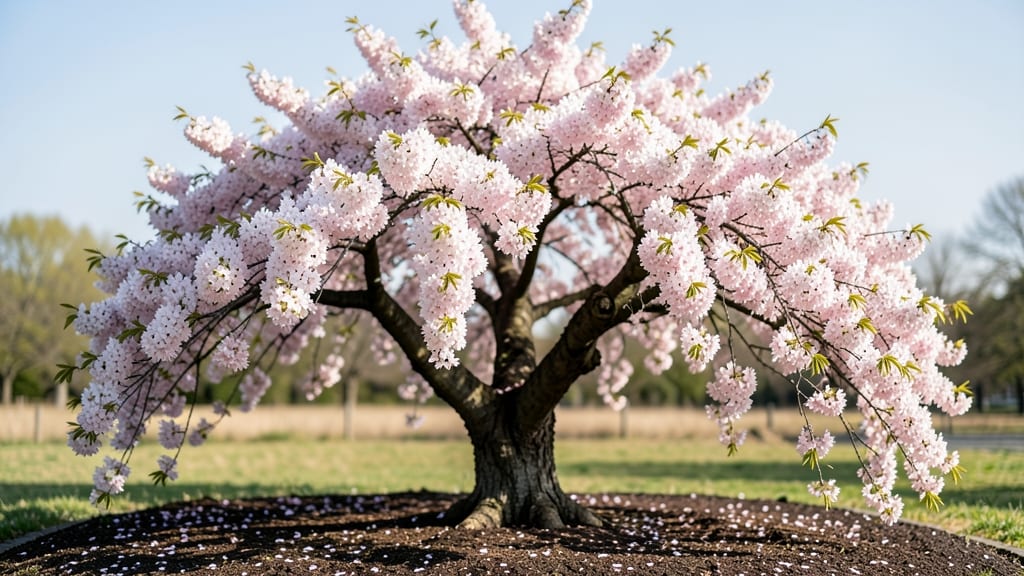
A cherry blossom tree’s mature height can how tall it grows anywhere from 20 to 40 feet 🌸, depending on the variety and how you prune it—but that doesn’t mean you’re stuck with a towering giant in your yard.
Picture this: you’ve waited all spring for those iconic pink blooms, only to realize your ‘Kwanzan’ is now blocking the neighbor’s fence. Or maybe you’re dreaming of a dwarf variety for your patio but don’t know which one stays under 15 feet.
The good news? Height isn’t just about luck—it’s about choosing the right cultivar and managing growth early.
Below, I break down exact height ranges for 12+ popular varieties, from the towering ‘Shidare Yoshino’ (a weeping giant) to compact picks like ‘Royal Burgundy’. You’ll also learn how pruning in winter or summer can keep your tree at your ideal height—without sacrificing those show-stopping blooms.
Ready to plan your space? Let’s dive into the numbers, plus pro tips for controlling growth so your cherry blossom thrives exactly where you want it.

Cherry blossom tree height guide: exact growth ranges by variety
Choosing a cherry blossom tree means balancing breathtaking spring blooms with long-term space planning. Most varieties reach 20-40 feet at maturity, but some dwarf types stay under 15 feet. The variety you pick determines not just height but also bloom color, growth rate, and even pruning needs.
For example, the iconic Yoshino cherry blossom can tower 30-40 feet, while Shirotae remains a compact 15-20 feet—perfect for smaller yards.
Understanding these height ranges helps you avoid overcrowding or planting where branches will obstruct power lines. Even weeping varieties like Kanzan can spread 20 feet wide while reaching 25 feet tall.
Below, we break down exact mature heights for 12 popular varieties, plus growth rates and spacing tips to create your dream spring display.
If you're planting near power lines or sidewalks, prioritize dwarf varieties like Shirotae or Royal Burgundy, which max out at 20 feet. These compact types also
How pruning affects cherry blossom tree height and bloom quality
Pruning your cherry blossom tree isn't just about keeping it neat—it directly controls height growth and bloom quality. Without proper pruning, some varieties can reach 30+ feet tall, while strategic cuts can keep them manageable.
The timing and technique matter most, as aggressive pruning at the wrong time can reduce next year's flowers by up to 50%.
Cherry blossoms bloom on last year's wood, meaning heavy pruning in spring removes flower buds. Instead, focus on structural shaping in late winter or early summer. This approach preserves blooms while guiding vertical growth.
For example, a Kwanzan cherry blossom (25-30 ft tall) can be pruned to stay under 20 ft without sacrificing pink clouds of flowers.
⚠️ WARNING: Common Pruning Mistakes That Stunt Growth Pruning cherry blossoms incorrectly can backfire—here’s what to avoid:
For height control, prune 1/3 of new growth in late winter (before buds swell) to shape the tree. In summer, remove water sprouts (fast-growing vertical shoots) to redirect energy into horizontal branches, which produce more flowers.
This method works especially well for Yoshino cherry blossoms, keeping them at a 20-25 ft height while maintaining dense blooms.
Structural pruning involves thinning out crowded branches to improve airflow and sunlight penetration. Focus on removing crossing or rubbing branches first—they compete for nutrients and weaken the tree.
Aim to create an open vase shape with a strong central leader. This not only controls height but also enhances bloom visibility from all angles.
Summer pruning is less risky for blooms but should be done after flowering to avoid removing flower buds. Target suckers and dead wood first, then lightly shape the canopy. Avoid heavy cuts—cherry blossoms respond poorly to more than 20% summer pruning.
For example, pruning a Shirotae cherry blossom (15-20 ft tall) in summer can maintain its compact form while keeping its iconic white blooms abundant.
Remember, cherry blossoms grow 2-3 feet per year under ideal conditions. Without pruning, a standard variety can easily exceed 30 feet in 10 years. By combining winter shaping and summer maintenance, you can guide growth while ensuring maximum bloom quality year after year.
Start small—even a 10% annual pruning makes a difference over time. 🌸