
How To
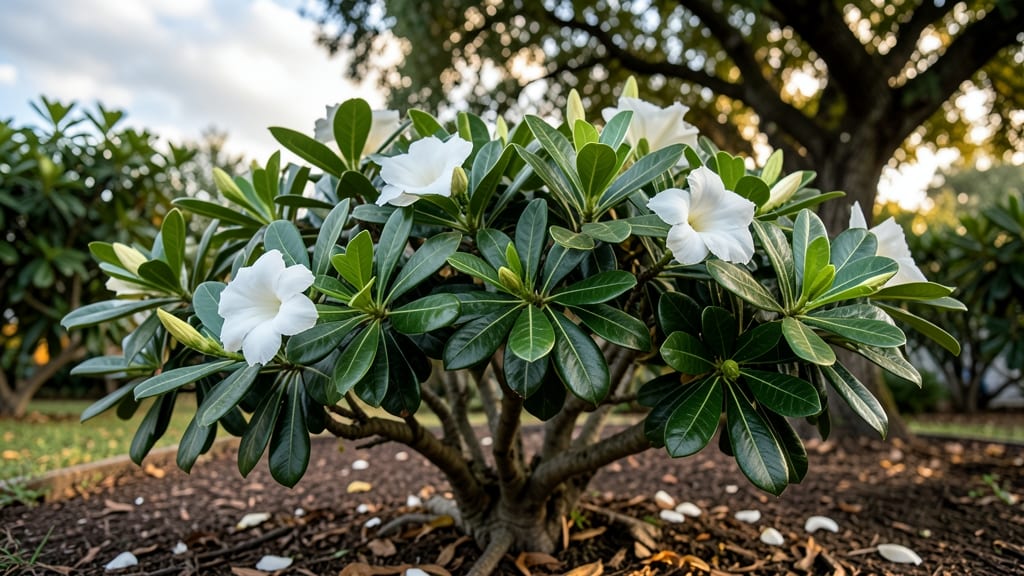
A gardenia tree grows between 3 and 15 feet tall, depending on the variety and how you care for it—so if you love their intoxicating scent but worry about space, you’re not alone in wondering how to fit one into your yard.
Picture this: a 6-foot gardenia 🌸 thriving in a patio pot, its glossy leaves and creamy blooms spilling over the edges, or a 12-foot specimen anchoring your garden’s focal point.
The truth is, gardenias aren’t one-size-fits-all—they range from compact shrubs to small trees, and your choice hinges on your space and growth goals.
Some varieties, like the classic Gardenia jasminoides, top out around 6 feet with the right pruning, while others, such as Gardenia augusta, can reach 15 feet if left unchecked.
Below, I’ll break down the height differences by type, how to control their size, and which dwarf varieties are perfect for small spaces or containers.
You’ll also discover why pruning isn’t just about aesthetics—it’s the game-changer for keeping your gardenia blooming and manageable, no matter how much room you have.

Gardenia tree height by variety: compact vs. tall options
Choosing a gardenia tree often comes down to one key question: how tall does a gardenia tree grow? The answer depends entirely on the variety, with some staying as compact shrubs (3–6 ft) while others reach towering heights (10–25 ft).
Whether you're planning a container garden or a backyard focal point, knowing these differences will help you pick the perfect fit for your space.
Most gardenia trees fall into three height categories: dwarf (3–6 ft), semi-dwarf (6–8 ft), and standard (10–25 ft). The most common species, Gardenia jasminoides, typically grows to 6–15 ft in ideal conditions, but its growth can be controlled with pruning.
Meanwhile, Gardenia augusta often stays smaller, making it ideal for patios or small gardens.
Before selecting a variety, consider your USDA hardiness zone (most gardenias thrive in zones 6–10) and your garden’s layout. Tall varieties like ‘Radicans’ can become arching trees (15–25 ft), while ‘Fortunata’ remains a neat, bushy shrub (4–6 ft).
Let’s break down the most popular options to help you visualize their mature sizes.
If you’re working with limited space, dwarf varieties like ‘Fortunata’ or ‘Augusta’ are excellent choices. These stay under 6 ft tall and thrive in containers or window boxes, making them perfect for urban gardens or patios.
Their compact size also means they require less pruning, saving you time and effort.
For larger gardens, ‘Radicans’ or standard ‘Jasminoides’ can create stunning focal points. These varieties grow 10–25 ft tall and develop arching branches that add drama to landscapes. However, their size means they need regular pruning to control growth and maintain shape, especially in windy or exposed areas.
One common misconception is that all gardenias are large, sprawling trees. In reality, many stay as neat shrubs if pruned correctly. For example, ‘Kleimschmidtiana’ typically reaches 6–10 ft but can be kept smaller with annual pruning in late winter.
Always check the specific variety’s growth habits before planting to avoid surprises.
When planning your garden, consider not just the mature height but also the spread of the tree. Some varieties, like ‘Radicans’, can spread 10–15 ft wide, while others like ‘Fortunata’ stay 3–5 ft wide.
This difference affects how you space your plants and whether they’ll fit in tight corners or along fences.
Another factor influencing height is your climate and soil conditions. Gardenias grown in warmer zones (9–11) tend to grow faster and taller, while those in cooler zones (6–8) may stay smaller. Always amend your soil with organic matter and sulfur to maintain the acidic pH (5.0–6.
How to control gardenia tree height: pruning and care tips
If your gardenia tree is outgrowing its space, don’t panic—height control is easier than you think! The key lies in strategic pruning and consistent care. Gardenias respond beautifully to trimming, but timing and technique make all the difference.
Whether you’re dealing with a 6-foot shrub or a 12-foot tree, these methods will help you maintain your ideal height without sacrificing those intoxicating blooms.
Before grabbing your shears, remember: gardenias bloom on new wood, meaning pruning too late in the season can reduce flowers next year. The best time to trim is late winter or early spring, just as new growth begins.
This gives your plant plenty of time to recover and produce flowers before summer. For dramatic height reduction, you can also prune in summer after blooming, but expect fewer flowers the following year.
-
Step 1: Gather Tools
Sterilize your pruning shears with rubbing alcohol to prevent disease. Grab gloves (gardenia thorns are sharp!) and sharp bypass pruners for clean cuts. -
Step 2: Assess the Tree
Identify overgrown branches and crossing limbs. Look for dead or diseased wood—remove these first, as they won’t regrow properly. -
Step 3: Prune for Shape
Cut 1/4 inch above a leaf node at a 45-degree angle. For height reduction, focus on top branches to encourage bushier growth below. -
Step 4: Thin Out Crowded Areas
Remove 20-30% of the foliage to improve airflow and reduce disease risk. Prioritize inner branches that block sunlight from reaching the center. -
Step 5: Fertilize After Pruning
Apply an acidic fertilizer (like 10-10-10) to support new growth. Water deeply to help the plant recover. -
Step 6: Monitor Growth
Check your gardenia monthly for new shoots. If it regrows too quickly, prune again in early summer to maintain height.
For gardeners with limited space, root restriction is a game-changer. Plant your gardenia in a large container with root pruning (trimming roots every 2-3 years) to slow vertical growth.
This method works best for potted gardenias and keeps them at a manageable 3-5 feet tall. Just ensure the pot has drainage holes to prevent root rot.
Another organic trick? Pinching back young shoots in spring encourages bushier growth. Simply use your fingers to squeeze off the top 1-2 inches of new growth. This redirects energy to lateral branches, reducing overall height while increasing blooms. It’s a gentle way to shape your gardenia without drastic pruning.
Remember, consistency is key. Prune your gardenia annually to maintain its size, and always reward it with acidic soil and regular watering after trimming. With the right care, your gardenia will stay lush, fragrant, and perfectly proportioned to your garden’s vision. 🌸