
How To
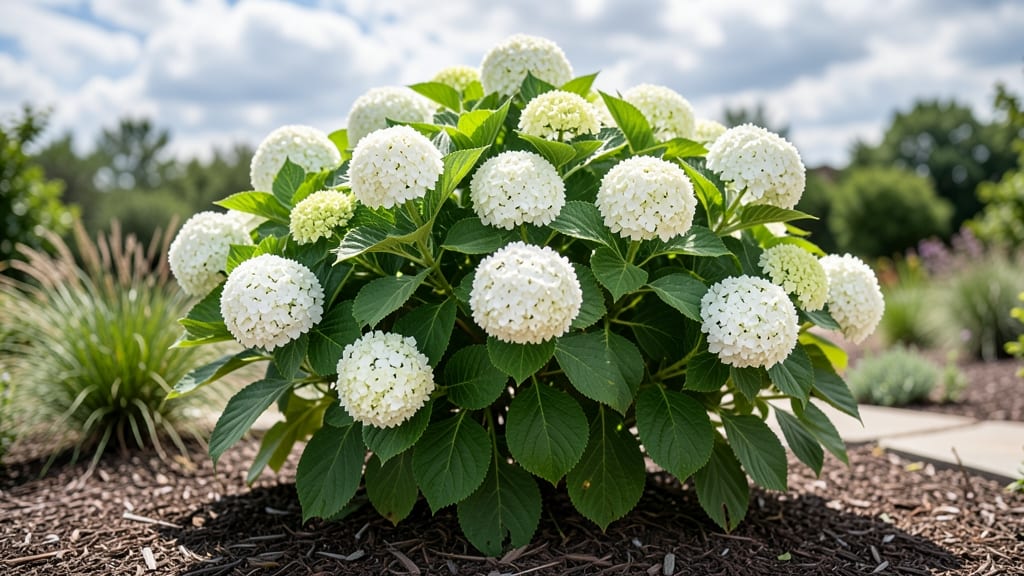
A hydrangea tree grows anywhere from 6 to 12 feet tall, depending on the variety—so if you’re planning your landscape, size matters more than you might think.
Picture this: You’ve fallen in love with the idea of a 🌸 hydrangea tree in your yard, but you’re not sure whether it’ll stretch toward the sky like a towering sentinel or stay compact enough to fit neatly into a garden bed.
The truth? Some varieties barely reach your shoulders, while others could outgrow your porch roof.
Why does this matter? Because the right placement ensures your hydrangea thrives—whether you want it as a bold focal point or a tidy border plant.
Below, we’ll break down the height ranges for popular varieties, how pruning affects growth, and the spacing you’ll need to keep your yard looking polished (and your hydrangea happy).
You’ll also discover how soil, sunlight, and even your climate zone can tweak those height estimates—and the simple tricks to steer your tree toward your ideal size. Let’s get growing!

Hydrangea tree height by variety: from compact shrubs to towering giants
Choosing a hydrangea tree isn’t just about color—it’s about size. Some varieties stay as small as a dwarf shrub, while others grow tall enough to rival small trees.
The Hydrangea paniculata group, for example, can reach 12 feet or more, while Hydrangea arborescens varieties often max out around 5 feet. Knowing these differences helps you plan for ideal spacing and full bloom potential.
Your yard’s layout and sunlight exposure will also influence which variety thrives. For instance, Limelight hydrangeas (a H. paniculata variety) grow aggressively and need space, while Little Lime stays compact, perfect for containers or small gardens.
Let’s explore the full range of heights so you can pick the perfect fit for your space.
🌿
The Hydrangea paniculata group, like 'Limelight' and 'Grandiflora', are the giants of the hydrangea world. These varieties can grow 12 feet tall or more, making them ideal for creating privacy screens or serving as focal points in large gardens.
Their rapid growth rate means they’ll fill out quickly, but they also require ample space to avoid crowding other plants.
If you’re working with a smaller space, consider Hydrangea arborescens varieties like 'Little Lime'. This dwarf option stays under 3 feet tall and is perfect for containers or tight garden beds. Its slower growth rate makes it low-maintenance, but it still delivers vibrant blooms all season long.
For those who love oak-leaf hydrangeas, Hydrangea quercifolia varieties like 'Snow Queen' offer a unique look with their lobed leaves. These trees typically reach 6–8 feet tall, making them a great mid-size option for shady areas or woodland gardens.
Their slower growth means they’ll establish roots well before shooting up.
When planning your garden, remember that proper spacing is key to maximizing bloom potential. Overcrowding can lead to stunted growth and fewer flowers, while giving each plant enough room allows them to thrive.
For example, a 10-foot-tall 'Limelight' needs at least 10 feet of space from other plants to avoid competition for nutrients and water.
🌳
If you’re unsure which variety to choose, start by measuring your space and considering your sunlight exposure. Most hydrangeas prefer partial shade, but some, like H. paniculata, can handle more sun.
For full sun locations, opt for varieties like 'Limelight' or 'Grandiflora', while shadier spots suit 'Snow Queen' or 'Endless Summer'.
Finally, don’t forget that pruning can influence height. Regular pruning in late winter or early spring helps control growth and encourages larger blooms. For taller varieties, prune selectively to maintain a manageable height while still enjoying their stunning floral displays.
With the right
How to choose the right hydrangea tree size for your landscape
Choosing the perfect hydrangea tree size starts with understanding your yard dimensions and design goals. A 12-foot 'Limelight' hydrangea will dominate as a focal point, while a 3-foot 'Little Lime' thrives in containers or tight spaces.
My top tip: Measure your space first—hydrangeas need 3-5 feet of clearance around their mature height to avoid overcrowding.
For small yards or urban gardens, dwarf varieties like 'Annabelle' (H. arborescens) or 'Endless Summer' stay under 5 feet tall, perfect for borders or foundation plantings. Larger varieties like 'Grandiflora' or 'Quercifolia' reach 8-12 feet, ideal for backyard privacy screens or woodland-style gardens.
Hydrangea Tree Size Guide
- 🌱 Compact varieties fit small spaces
- 🌿 Taller types create privacy screens
- ✂️ Pruning control adjusts growth
- 🌳 Large varieties need more space
- ☀️ Overpruning reduces flowering
- 💧 Poor drainage stunts growth
Sunlight exposure plays a critical role in height control. Full-sun varieties like H. paniculata grow 20% taller than shade-tolerant types. If your yard gets morning sun only, opt for 'Nikko Blue' (4-6 ft) or 'Vanille Fraise' (5-7 ft).
For deep shade, 'Invincibelle Spirit' (3-5 ft) is a low-maintenance choice.
Pruning is your best tool for managing height. For taller varieties, prune in late winter to shape and encourage new growth. For dwarf types, a light trim after flowering keeps them compact. Avoid heavy pruning—it can reduce next year’s blooms by 30-50%.
Common mistakes that stunt growth include overwatering (root rot), underfeeding (nutrient deficiency), and planting too deep (strangled roots). My go-to fix: Amend soil with compost and use mulch to retain moisture without waterlogging.
For container gardening, choose dwarf or semi-dwarf varieties and upgrade to a 15-gallon pot for stability. Place containers in partial shade to prevent leaf scorch, and fertilize monthly during growing season. With the right size and care, your hydrangea tree will thrive—no matter your space!