
How To
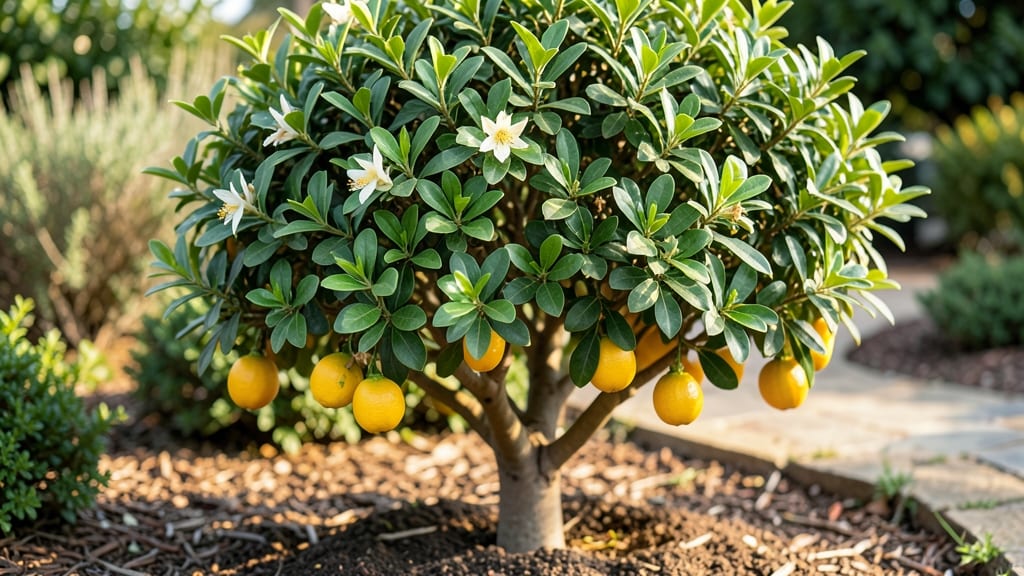
A kumquat tree grows anywhere from 4 to 12 feet tall depending on the variety, making it a versatile choice for both small patios and spacious backyards.
If you're dreaming of growing your own kumquats but wondering whether they'll dwarf your backyard or tower over your patio, you're not alone—tree height is the first question every gardener asks.
Standard varieties like Meiwa or Nagami can reach 8 to 12 feet, while dwarf options stay compact at just 4 to 6 feet, perfect for containers or tight spaces.
Below, I’ll break down how to choose the right size for your garden, when to prune for manageable growth, and why some gardeners swear by dwarf kumquats for hassle-free harvests.

Standard kumquat tree height: what to expect from full-size varieties
If you're considering adding a kumquat tree to your garden, understanding its mature height is key to planning your space. Full-size varieties can reach impressive heights, but not all grow equally.
The most popular types—Meiwa, Nagami, and Centennial—each have distinct growth patterns that will influence how much room you need to allocate.
For gardeners in USDA Zone 9b or warmer, these trees thrive year-round, but their height depends on both genetics and growing conditions. Without proper pruning, a standard kumquat can easily surpass 10 feet, making it a statement plant in your landscape.
Let’s break down what to expect from each variety and how they compare to other citrus trees.
| Variety | Mature Height | Growth Rate (Annual) | Space Needs |
|---|---|---|---|
| Meiwa | 8–12 feet | 12–24 inches | Large backyard or patio |
| Nagami | 6–10 feet | 10–18 inches | Medium garden or large container |
| Centennial | 8–12 feet | 12–24 inches | Large backyard or patio |
| Lemon or Orange Trees (Comparison) | 6–15 feet | 10–24 inches | Large garden space |
The Meiwa kumquat, known for its sweet-tart fruit, is one of the tallest varieties, often reaching 10–12 feet in ideal conditions. This makes it better suited for spacious backyards or orchards rather than small patios.
Meanwhile, the Nagami kumquat, with its elongated fruit, typically stays slightly shorter at 6–10 feet, offering a more manageable option for medium-sized gardens.
Compared to other citrus trees like lemons or oranges, kumquats generally fall into the mid-range for height. While some citrus varieties can exceed 15 feet, kumquats are more compact, making them a practical choice for gardeners who want citrus without committing to a full-sized tree.
Their growth rate is also steady, with most varieties adding 1–2 feet per year under optimal care.
If you're planning to grow a kumquat in a container, even full-size varieties can be managed with regular pruning. However, expect the tree to still reach its genetic height limit over time.
For container gardening, consider dwarf varieties or frequent pruning to keep the tree under 6 feet. This approach is ideal for patios, balconies, or urban gardens where space is limited.
When planting a kumquat tree, always account for its mature height and spread. A 10-foot tree will need at least 8–10 feet of clearance in all directions to avoid overcrowding and ensure proper air circulation.
This is especially important in humid climates, where poor airflow can lead to fungal diseases like citrus blight or anthracnose.
For gardeners in cooler climates outside Zone 9b, consider growing kumquats in large containers that can be moved indoors during winter. Even full-size trees can adapt to container life if given enough space and proper care.
Just remember that container-grown trees may grow slightly slower due to root restriction, but they’ll still reach their mature height with time and patience.
Pruning plays a crucial role in managing the height of your kumquat tree. By removing overgrown branches in late winter or early spring, you can encourage a bushier shape and prevent the tree from becoming too tall.
Aim to prune 20–30% of the canopy annually to maintain control while still allowing plenty of sunlight to reach the fruit.
In summary, full-size kumquat trees are a beautiful addition to any garden, but their height should guide your planting decisions. Whether you choose the towering Meiwa or the slightly shorter Nagami, plan accordingly to enjoy years of harvestable fruit without the hassle of an unmanageable tree.
With the right variety and care, your kumquat can thrive for decades, offering both beauty and delicious rewards.
Dwarf kumquat trees: compact options for small spaces and containers
If you love the idea of growing kumquats but lack space for a full-sized tree, dwarf varieties are your perfect solution. These compact citrus trees typically reach 2 to 4 feet tall, making them ideal for patios, balconies, or even indoor growing.
Varieties like 'Centennial' and 'Nana' (grafted kumquats) are specifically bred to stay small while still producing abundant fruit. Their manageable size also means they’re easier to care for and harvest, even in urban settings.
One of the biggest advantages of dwarf kumquats is their adaptability to container gardening. Since they don’t need deep root systems like their full-sized counterparts, you can grow them in pots as small as 15 to 20 gallons.
This flexibility lets you move them to optimize sunlight exposure or protect them from frost. Just ensure your container has drainage holes to prevent root rot—a common issue in citrus trees.
Before you plant, consider the grafting technique used to create many dwarf kumquats. The top portion (scion) is a fruit-bearing kumquat variety, while the rootstock is a dwarfing rootstock like Citrus aurantium or Poncirus trifoliata.
This combination keeps the tree small while maximizing fruit production. However, grafted trees may require more frequent pruning to maintain their shape and encourage bushier growth.
Dwarf Kumquat Trees: Height and Care
- Compact size (2-4 ft)
- Ideal for containers
- Easier to harvest
- Faster maturity
- Limited root space
- Requires pruning
- Shorter lifespan
- Less cold-hardy
To maximize fruit production in limited spaces, focus on pruning techniques that encourage a bushier, more productive tree. Prune in late winter or early spring before new growth begins. Remove any dead or crossing branches first, then thin out overcrowded areas to improve airflow.
This not only keeps the tree manageable but also reduces the risk of diseases like citrus blight.
When it comes to container gardening, choose a pot with at least 15 gallons of capacity for a mature dwarf kumquat. Use a well-draining citrus-specific potting mix and add a layer of gravel or perlite at the bottom to improve drainage.
Place your container in a spot that gets 6 to 8 hours of sunlight daily, as kumquats are sun-loving plants. If growing indoors, a south-facing window or grow lights will work best.
With the right care, your dwarf kumquat tree can thrive in even the smallest of spaces. Whether you’re growing it in a balcony pot or a greenhouse corner, these compact trees deliver big flavor with minimal fuss.
Just remember to prune regularly, fertilize lightly during the growing season, and keep an eye out for pests like aphids or spider mites.