
How To
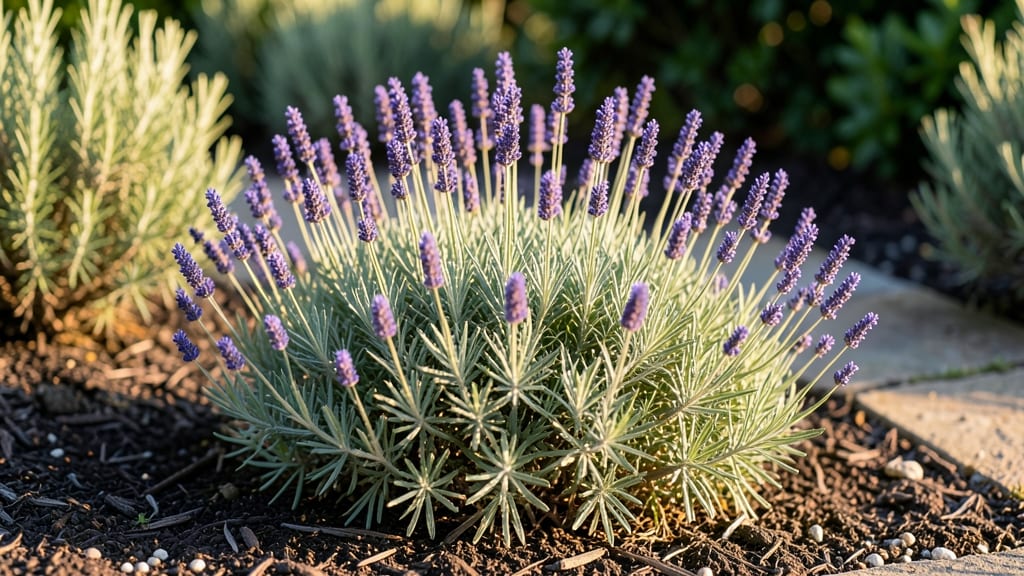
A lavender tree grows anywhere from 1 to 10 feet tall, depending on the variety and growing conditions—so whether you’re planning a tiny container garden or a fragrant hedge, there’s a size for you.
If you’re dreaming of fragrant lavender but worried it might outgrow your garden—or your patience—you’re not alone. Some varieties stay compact, like the dwarf ‘Hidcote’, while others, like the tall ‘Grosso’, can reach tree-like heights of 6 to 10 feet.
The key? Choosing the right type for your space and pruning wisely to keep it in check.
Most lavender trees grow slowly, gaining just 2 to 4 feet per year in ideal conditions. In USDA Zone 6, where spring planting is best, they thrive with full sun and well-drained soil, which keeps them from sprawling uncontrollably.
But even the tallest varieties can be shaped with regular trims, making them perfect for both small balconies and large landscapes.
Below, I’ll break down the height ranges by variety, share pruning tips to control growth, and help you pick the best lavender for your garden—whether you want a bushy shrub or a tall, fragrant statement plant. Ready to find your perfect match?

Lavender tree height variations: from dwarf shrubs to small trees
When planning your garden, knowing how tall a lavender tree grows helps you choose the perfect variety for your space. Lavender isn’t technically a tree—it’s a woody shrub—but its upright growth and layered branches give it a tree-like appearance.
The height differences between varieties can be dramatic, from dwarf shrubs under 2 feet to tall hybrids reaching 6 feet. Your climate and care practices also play a role in how much it stretches toward the sky.
Most lavender varieties fall into three height categories: compact dwarfs (1–2 ft), medium shrubs (2–4 ft), and tall hybrids (4–6 ft). English lavender (Lavandula angustifolia) and Spanish lavender (Lavandula stoechas) are classic choices, but their growth habits differ.
English lavender tends to stay 3–5 feet tall, while Spanish lavender maxes out around 2–3 feet. Meanwhile, the Lavandula × intermedia hybrids can reach 5–6 feet with proper care.
Climate impacts lavender height significantly. In warmer, drier regions like the Southwest U.S., lavender often grows taller and bushier due to less stress. In cooler climates, like the Pacific Northwest, growth may be slower, keeping plants on the shorter side. If you’re in USDA Zones 5–9, expect your lavender to mature more quickly with full sun exposure.
Here’s a quick reference for lavender tree height variations by variety, including their mature sizes and best uses:
If you’re growing lavender in containers or small gardens, opt for dwarf varieties like ‘Hidcote’ or ‘Munstead’. These stay under 2 feet tall and thrive in pots, making them ideal for balconies or patio gardens.
For larger landscapes, English lavender or Grosso hybrids add height and structure, reaching 5 feet or more with minimal pruning.
Pruning plays a crucial role in controlling lavender height. Light pruning after flowering encourages bushier growth, while hard pruning in early spring can reset leggy plants to a more compact form.
Avoid cutting into old wood, as lavender struggles to regrow from mature stems. For tall varieties like Grosso, prune selectively to maintain a 4–5 foot height without sacrificing blooms.
Spacing is another key factor in managing lavender height. Plant dwarf varieties 12–18 inches apart to prevent overcrowding, while tall hybrids need 3–4 feet of space to grow unimpeded.
In tight spaces, consider espalier training—a technique where you prune lavender to grow flat against a fence or wall, creating a vertical garden effect without sacrificing height.
Soil and sunlight also influence how tall your lavender grows. Well-draining, sandy soil promotes healthier root systems, while 6+ hours of full sun daily fuels rapid growth. In shadier climates, lavender may grow slower and stay shorter, so supplement with artificial grow lights if needed.
For coastal gardens, where humidity is higher, choose dwarf or hybrid varieties that tolerate moisture better.
Whether you’re after a low-maintenance border plant or a fragrant privacy screen, lavender’s height variations make it versatile. Start with dwarf varieties for small spaces or tall hybrids for bold statements, and adjust pruning and spacing to match your garden’s scale.
With the right variety and care, you’ll have lavender that fits perfectly—no matter how big or small your space.
How to control lavender tree growth for small spaces
Keeping your lavender tree manageable in tight spaces starts with understanding its natural growth patterns. Most varieties grow 3–10 feet tall, but leggy growth is common when pruned improperly. The key is regular pruning and strategic spacing to encourage bushier, more compact forms while preventing overgrowth.
For small gardens, focus on dwarf varieties like 'Hidcote' or 'Munstead', which max out at 2–3 feet tall. Even standard lavender can be trimmed to stay under 4 feet with consistent care. The secret? Prune after flowering to avoid sacrificing blooms while shaping the plant.
English lavender (Lavandula angustifolia): 3–5 ft tall
Spanish lavender (Lavandula stoechas): 2–3 ft tall
Grosso lavender (Lavandula × intermedia): 4–6 ft tall
Dwarf varieties: 1–2 ft tall (e.g., 'Nana Alba')
Pro Tip: Prune 1/3 of growth annually to maintain desired height.
Spacing is critical—plant lavender 2–3 feet apart for standard varieties to allow airflow and prevent disease. In containers, use 1-gallon pots for dwarf types and 3–5 gallon pots for larger varieties. Overcrowding leads to stunted growth and poor flowering.
Companion planting helps too! Pair lavender with rosemary, thyme, or catmint to create a low-maintenance, fragrant border. These plants share similar drought-tolerant needs and full-sun requirements, making them ideal neighbors for compact lavender.
Seasonal care makes all the difference. In spring, trim back dead or overgrown branches to encourage new growth. Avoid heavy pruning in fall or winter, as lavender needs time to harden off before dormancy. A light mulch layer (2–3 inches) helps retain moisture while suppressing weeds.
With these techniques, you can enjoy fragrant lavender without sacrificing space. Start small, prune regularly, and watch your lavender thrive in even the tightest corners of your garden! ✂️🌿