
How To
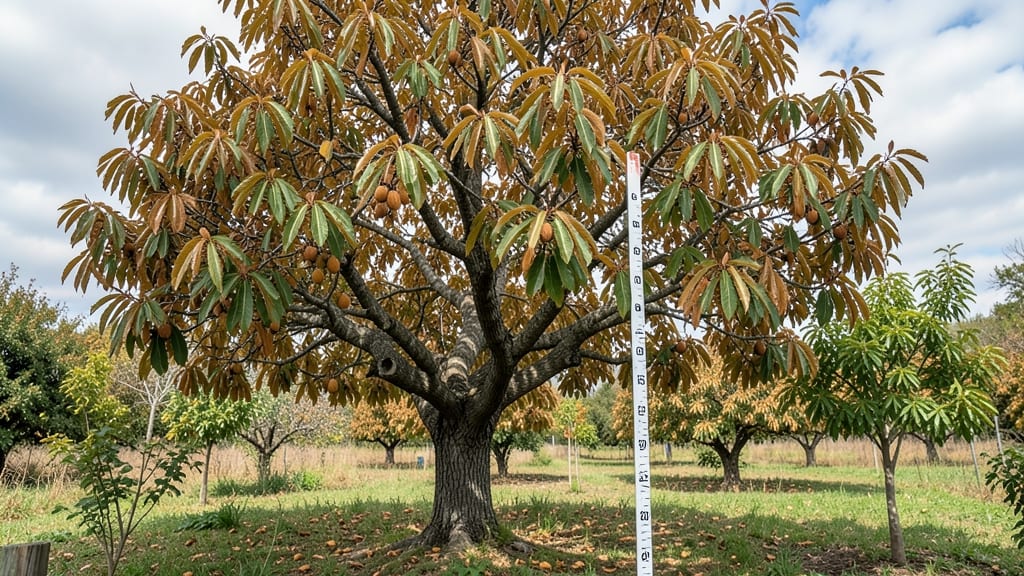
A pecan tree how tall does a pecan tree grow at maturity can vary dramatically—some reach between 60 and 100 feet, while others stay under 12 feet, making them perfect for small spaces and urban gardens.
Dreaming of growing your own pecans but worried about space? Many pecan tree varieties stay well under 12 feet tall, making them ideal for small yards, containers, or even urban homesteads.
Standard pecan trees can tower over a three-story building, but dwarf and semi-dwarf varieties offer a more manageable height without sacrificing nut production.
In this guide, I’ll break down the best space-saving varieties, how to prune for height control, and why choosing the right type can save you headaches down the road.

Mature height ranges of popular pecan tree varieties (under 12 feet)
If you love pecans but think you need acres of land to grow them, think again! Many pecan tree varieties stay under 12 feet tall, making them perfect for small yards, containers, or even urban gardens.
These compact trees produce delicious nuts while saving space—ideal for homesteaders and city dwellers alike. The key is choosing the right dwarf or semi-dwarf variety and providing proper care to keep them manageable.
Understanding mature height ranges helps you plan spacing, sunlight exposure, and even container sizes. For example, some varieties top out at just 6 feet, while others reach 10-12 feet. Growth rates also vary, with some trees maturing faster than others.
Below, I’ve broken down the most popular space-saving pecan varieties, their ideal spacing, and care tips to maximize nut production in limited spaces.
When selecting a pecan tree variety, consider your space constraints and sunlight availability. For example, the Western Schley is one of the shortest options, reaching just 6–8 feet, while the Desirable variety can grow up to 12 feet.
All these varieties thrive in full sun, so ensure your planting spot gets at least 6 hours of direct sunlight daily. Without enough light, trees may grow leggy or produce fewer nuts.
Spacing is another critical factor. Planting trees too closely can lead to crowded canopies, which reduces air circulation and increases disease risk. For varieties like Cape Fear or Pawnee, space them 10–12 feet apart to allow proper growth.
If you’re growing in containers, choose larger pots (at least 20-gallon size) and prune regularly to control height and encourage bushier growth.
Growth rates also play a role in planning. Faster-growing varieties like Cape Fear can add 6–10 feet in a single year, while slower growers like Western Schley may only gain 2–5 feet annually.
If you’re impatient for pecans, faster-growing trees will reward you sooner—but they may require more pruning to stay within your desired height limits. Always prune in late winter or early spring to shape the tree and remove dead or crossing branches.
For optimal nut production, pair your dwarf or semi-dwarf pecan tree with a compatible pollinator. Many pecan varieties are self-pollinating, but cross-pollination often improves yield. For example, planting a Desirable tree near a Sioux tree can boost nut production.
Just ensure they’re spaced far enough apart to avoid root competition—typically 20–30 feet between different varieties.
Container growing is another great option for small spaces. Use a large, sturdy pot with drainage holes and fill it with a mix of well-draining soil and compost. Water deeply when the top
Best space-saving pecan varieties for small gardens and containers
If you love pecan nuts but have limited space, you’re in luck! Many dwarf and semi-dwarf pecan varieties stay under 12 feet tall, making them ideal for small yards, containers, or urban gardens.
These compact trees produce delicious nuts without taking over your landscape. Let’s explore the top 5 space-saving varieties and how to care for them.
Before choosing, remember that full sun exposure is critical for nut production. Most compact pecan trees need 6+ hours of sunlight daily and well-draining soil. With the right variety and care, you can enjoy homegrown pecans in even the tightest spaces!
🌱 Pecan Tree Height Comparison
60–100 ft tall
Requires large yard
Slow to mature
30–45 ft tall
Moderate space needs
Faster nut production
8–12 ft tall
Perfect for containers
Early fruit-bearing
5–8 ft tall
Ideal for patios
Requires large pot
One of the best space-saving options is the 'Cape Fear' pecan, which typically reaches 8–10 feet tall. This variety is disease-resistant and produces large, sweet nuts.
It’s perfect for small backyards or large containers with at least 15-gallon capacity. Pair it with 'Desirable' (10–12 ft) for cross-pollination to boost yields.
The 'Sioux' pecan is another excellent choice, growing 10–12 feet tall and thriving in USDA Zones 6–9. It’s known for its high nut production and tolerance to hot, dry climates.
For container growing, choose 'Schley' (8–10 ft), a compact variety that adapts well to 50-gallon pots with proper drainage.
To keep your compact pecan tree healthy, prioritize regular pruning to control height and shape. Remove suckers and dead branches in late winter, and thin out overlapping limbs to improve airflow.
Mulch around the base to retain moisture and suppress weeds, and fertilize lightly in early spring with a balanced 10-10-10 formula.
With the right space-saving variety and consistent care, you can enjoy homegrown pecans without sacrificing your garden space. Whether you choose 'Cape Fear' for containers or 'Desirable' for small yards, these compact trees deliver big rewards in minimal room! 🌰