
How To
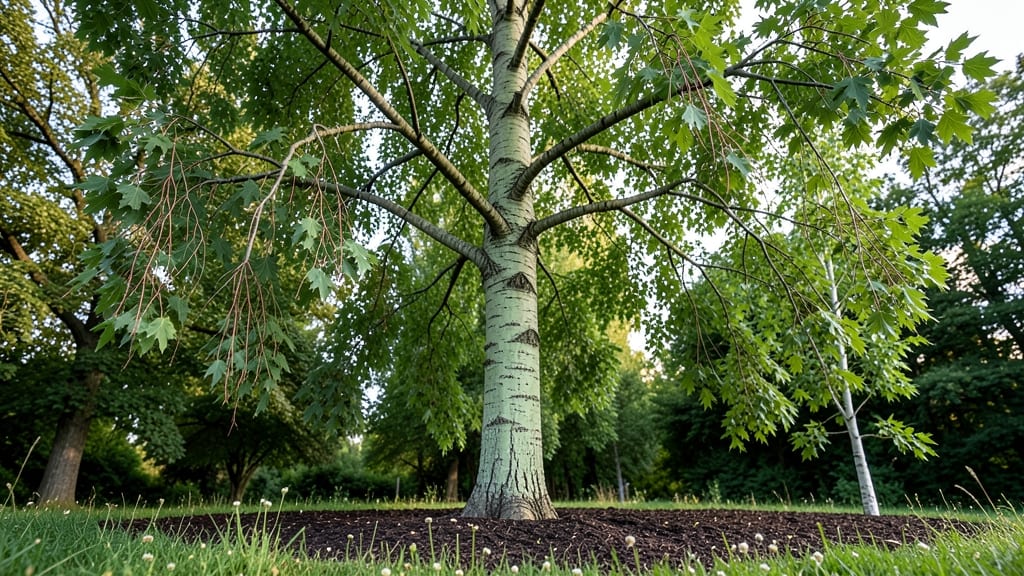
A poplar tree can grow how tall does a poplar tree grow to 120 feet or taller 🌳—that’s like stacking 10 basketball hoops in a single trunk—if you plant the right variety in the right conditions.
If you've ever dreamed of a towering shade provider or a windbreak that grows faster than weeds, poplar trees might be your answer—but how tall can they really get? Some species shoot up 10 feet in a single year, while others stay more manageable.
The fastest growers, like the Eastern Cottonwood, reach maturity in just 15-20 years, but their aggressive roots can outcompete nearby plants if left unchecked. Meanwhile, slower-growing varieties like the Black Poplar offer a more controlled height while still delivering dramatic shade.
Below, I break down the tallest poplar species, how to maximize their growth without losing control, and which dwarf varieties work for smaller spaces—so you can plan your landscape with confidence.

Poplar tree growth height: fastest varieties and their sky-high limits
If you're planning a windbreak or shade solution that grows faster than most trees, poplars are legendary for their rapid vertical growth. Some varieties can shoot up 6-10 feet per year in ideal conditions, reaching heights that dwarf even the tallest oaks.
But not all poplars grow equally—some become 120-foot giants while others stay manageable. Let’s explore the fastest-growing species and their sky-high limits.
The Eastern Cottonwood (Populus deltoides) holds the record for fastest growth, with mature heights of 70-100 feet and some specimens exceeding 120 feet. In the right conditions, it can grow 3-5 feet per year in its early years.
Meanwhile, the Lombardy Poplar (Populus nigra 'Italica') is famous for its narrow, columnar shape, often reaching 50-80 feet with a growth rate of 2-4 feet annually.
Regional variations play a huge role in how tall poplars grow. In southern states like Texas or Florida, where growing seasons are long, poplars can reach their maximum heights faster.
But in northern climates like Minnesota or Maine, growth slows due to shorter seasons, often capping mature heights at 60-80 feet even for fast-growing species.
Soil moisture is another critical factor. Poplars thrive near water sources—streams, ponds, or wetlands—where they can grow 20-30% taller than those planted in drier soils.
The Black Poplar (Populus nigra), for example, may only reach 40-60 feet in upland sites but can soar to 80+ feet near rivers.
Here’s how the fastest-growing poplar varieties compare in terms of height potential and growth rates, including their ideal growing conditions:
For gardeners with limited space, the dwarf varieties like 'Nana' Poplar (15–25 feet) or 'Siouxland' Cottonwood (30–40 feet) offer shade without overwhelming your yard. However, even these can grow taller if not pruned regularly.
If you’re planting near power lines or buildings, consider Lombardy Poplar—its narrow form makes it ideal for tight spaces while still reaching impressive heights.
One common misconception is that all poplars grow equally fast. In reality, soil quality and water availability can double or halve growth rates.
For example, a Black Poplar in a riverbank setting might grow 3 feet per year, while the same tree in dry, rocky soil could only manage 1 foot annually. Always test your soil’s moisture retention before planting.
If you’re aiming for a quick privacy screen, the Eastern Cottonwood is your best bet—it can create a 20-foot-tall barrier in just 4-5 years. But be warned: poplars are aggressive spreaders via root suckers.
If you’re not prepared for their invasive tendencies, consider planting in containment barriers or choosing slower-growing varieties like Balsam Poplar.
Before planting, check your local climate zone and frost dates. Poplars in USDA Zones 3-9 can thrive, but those in Zone 3 or colder may experience stunted growth
How to maximize poplar tree growth without losing control
Poplar trees are nature's speed demons, capable of shooting up 10 feet per year under ideal conditions. But their rapid growth comes with risks—poor control can turn your dream windbreak into an unmanageable giant.
The key lies in balancing nutrient-rich soil, strategic watering, and disciplined pruning while preventing invasive spread through root systems.
First, focus on soil preparation. Poplars thrive in moist, well-draining soil with a pH between 6.0-7.5. Amend heavy clay with compost or sand, and avoid waterlogged areas where roots can suffocate. A 3-inch layer of mulch around the base retains moisture while suppressing weeds that compete for nutrients.
⚠️ WARNING: POPLAR TREE INVASION RISK Poplar trees spread aggressively through suckers and root sprouts.
If unchecked, a single tree can create a dense thicket in just 5-10 years. Lombardy poplars (Populus nigra 'Italica') are notorious for this behavior, while Eastern cottonwoods (Populus deltoides) can spread 100+ feet from the parent tree via underground roots.
Always plant in containment barriers (like root barriers) or designated areas with regular sucker removal to maintain control. Ignoring this can lead to costly removal or legal issues if roots invade neighboring properties.
Watering is critical during the first two years when roots establish. Deep watering 2-3 times per week in dry climates encourages vertical growth, but avoid overwatering—soggy soil promotes root rot.
Once established, poplars tolerate drought but may sacrifice height potential. For maximum growth, aim for 1-1.5 inches of water weekly, delivered in the early morning to reduce evaporation.
Pruning is where most gardeners go wrong. Never top poplar trees—this creates unsightly, weak regrowth and encourages aggressive sucker production. Instead, remove only dead, diseased, or crossing branches in late winter or early spring.
If you need to control height, prune no more than 25% of the canopy per year, focusing on the upper third to maintain a natural shape.
Fertilize lightly in early spring with a balanced 10-10-10 formula to support rapid growth. Over-fertilizing leads to excessive leafy growth at the expense of height. Pair fertilization with a monthly application of compost tea to boost microbial activity in the soil, which improves nutrient uptake.
Monitor for pests like aphids or borers—these can stunt growth. Treat infestations immediately with neem oil or insecticidal soap, and avoid chemical pesticides that harm beneficial insects.
With the right care, your poplar can reach 50-120 feet in ideal conditions, but always prioritize containment to enjoy its benefits without the headaches.