
How To
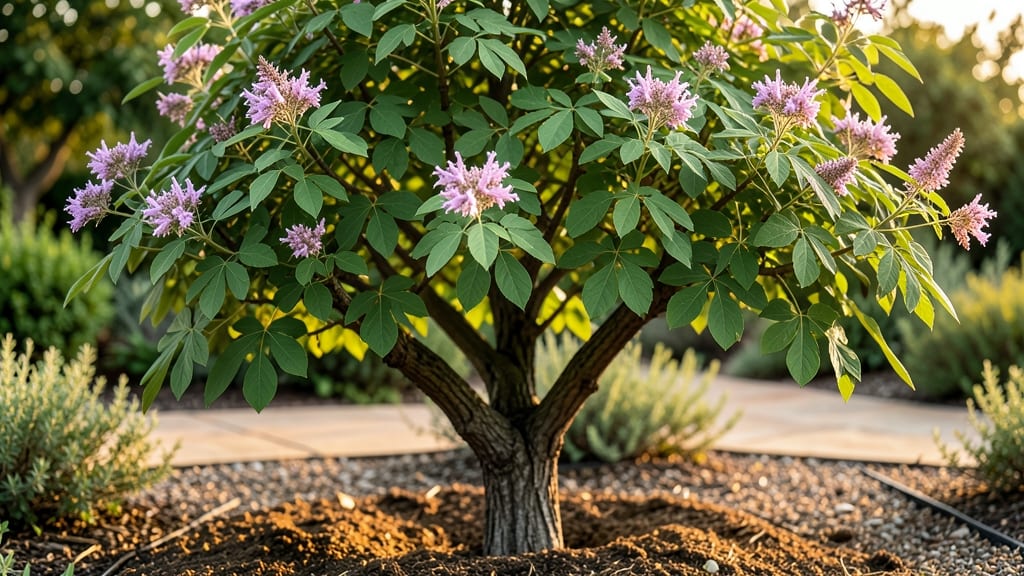
Wondering how tall does a vitex tree grow?
At maturity, it typically reaches between 6 and 15 feet, though its final height depends on the variety and how you prune it—some cultivars like 'Eddie's White Wonder' stay under 8 feet, while others can stretch to 20 feet in ideal conditions.
If you're eyeing a vitex for your yard, you might be surprised by how quickly it grows—some varieties add 3 feet or more per year in the right climate. Without pruning, it can easily outgrow small spaces, turning a charming shrub into an unruly giant.
This guide breaks down the exact height ranges for popular vitex varieties, how pruning can shrink or stretch its growth, and the 5 key factors that determine whether your vitex stays compact or towers over your patio.
You'll also learn how to control its size with simple pruning techniques, which cultivars work best for tight spaces, and how to spot the signs of overgrowth before it's too late.

Vitex tree height by variety: exact mature size expectations
Choosing a vitex tree for your landscape means understanding its mature height—some varieties grow like small trees while others stay shrub-sized. The common vitex (Vitex agnus-castus) typically reaches 10–15 feet tall, but dwarf cultivars like 'Summerifire Dwarf' stay under 5 feet.
Your selection depends on space, sunlight, and pruning goals.
Vitex trees grow fastest in their first 3 years, gaining 3–5 feet annually under ideal conditions. In cooler climates (USDA zones 6–7), growth slows slightly, while warmer zones (8–11) encourage taller, bushier growth. Always check your specific variety’s height expectations before planting.
Visual growth comparisons help visualize scale: a 15-foot vitex towers over a basketball hoop (10 ft) but won’t match a two-story house (20+ ft). For small gardens, dwarf varieties are ideal, while standard types work for privacy screens or focal points.
If you’re unsure which vitex fits your space, measure your area first. A 15-foot vitex needs 10–15 feet of clearance for branches and roots. For tight spots, dwarf varieties like 'Summerifire Dwarf' thrive in 5-gallon containers or small garden beds.
Pruning plays a huge role in height control. Annual pruning after flowering keeps vitex 30–50% shorter than its natural height. For example, a 12-foot 'Eddie's White Wonder' can be trimmed to 6–8 feet with regular maintenance. Always use sterilized shears to avoid disease.
Climate also affects height—vitex grows taller in warm zones (8–11) but may stay shorter in cooler zones (6–7). In my Zone 7 garden, a 'Purple' vitex reached 7 feet in 4 years, while the same variety in Zone 9 hit 9 feet in the same time.
For fastest growth, plant vitex in well-draining soil with full sun (6+ hours). Amend heavy clay with compost or sand to prevent root rot, which stunts growth. Mulch annually with 3 inches of organic matter to encourage deeper roots and taller stems.
If you’re designing around vitex, plan for its wider spread too. Most varieties grow as wide as they are tall, so account for 10–15 feet of space between plants. In my backyard, I placed a 12-foot vitex 8 feet from my fence to avoid overcrowding.
Remember, vitex is drought-tolerant once established, but underwatering young plants can limit their height potential. Water deeply once a week for the first year, then reduce to every 2 weeks in mature trees. Overwatering causes root rot, which weakens growth.
🌿
How pruning affects vitex tree height and shape
Pruning is the secret weapon for controlling your vitex tree's height and shape, especially if you're working with limited space. Without regular trimming, even dwarf varieties can grow unpredictably tall, reaching up to 15 feet or more.
The good news? Strategic pruning can keep your vitex at your desired height while encouraging dense foliage and vibrant blooms.
Timing is everything when it comes to pruning vitex. I’ve found that late winter or early spring—just before new growth begins—is the best time to prune for height control. This approach encourages vigorous regrowth and maintains the tree’s natural shape.
However, if you’re dealing with an overgrown vitex, you may need to prune in stages to avoid shocking the plant.
Here’s how to prune your vitex tree step-by-step to manage its height and shape effectively:
- 🌱 Step 1: Assess Your Goals
Decide whether you want to reduce height, maintain current size, or shape the tree. Measure the height and note any overgrown branches that need attention. - 🪴 Step 2: Gather Tools
Use sterilized pruning shears for small branches and loppers for thicker stems. Disinfect tools with rubbing alcohol to prevent disease spread. - ✂️ Step 3: Prune for Height Reduction
To lower the tree’s height, cut back 1/3 of the tallest branches just above a leaf node or outward-facing bud. Avoid cutting into old wood. - 🌿 Step 4: Shape the Canopy
Remove crossing or inward-growing branches to improve airflow and sunlight penetration. Focus on creating an open, airy shape for better blooms. - 📅 Step 5: Time Your Pruning
For height control, prune in late winter or early spring. If you need to encourage summer blooms, lightly prune after flowering. - 💧 Step 6: Post-Pruning Care
Water deeply after pruning to help the tree recover. Avoid fertilizing immediately—wait until new growth appears to support regrowth.
Aggressive pruning can speed up regrowth, but it’s important to strike a balance. If you cut back too much at once, your vitex might produce fewer flowers that season while it recovers.
For dwarf varieties like 'Summerifire Dwarf,' I recommend lighter pruning to maintain their compact form without stressing the plant.
Remember, vitex trees respond well to regular, moderate pruning. Over time, you’ll develop a rhythm that keeps your tree at your desired height while keeping it healthy and full. With practice, you’ll be able to shape your vitex into a stunning focal point in your garden.