
How To
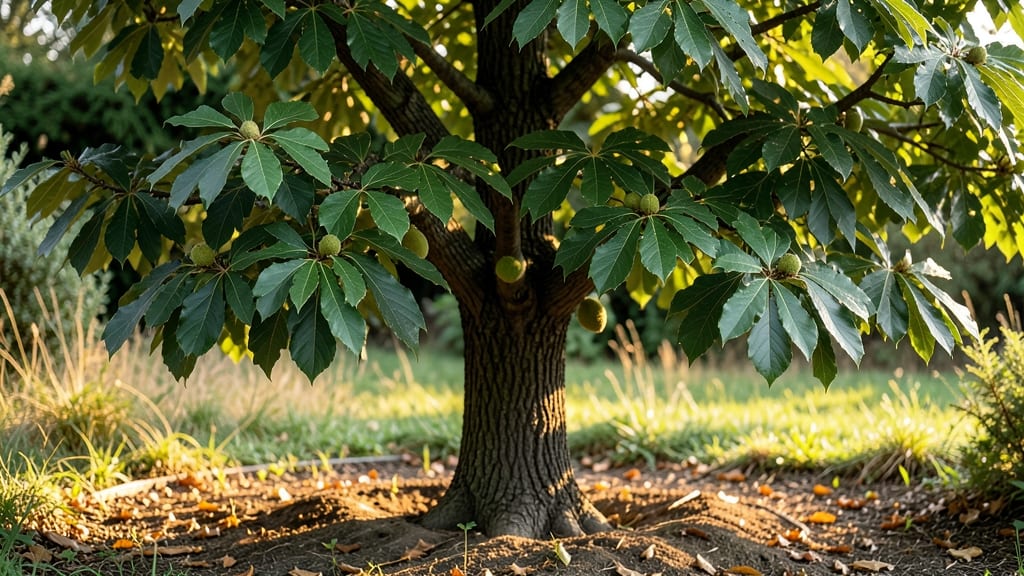
A walnut tree grows to how tall does a walnut tree grow heights ranging from 15 feet for dwarf varieties to a towering 130 feet for standard types — a difference that changes everything about where (and how) you plant one.
Picture this: a 60-foot tree casting shade over your entire backyard, or a 20-foot specimen that fits neatly into a corner. The choice isn’t just about aesthetics — it’s about long-term planning for space, sunlight, and even property lines.
English walnuts and black walnuts typically reach 60-100 feet at maturity, while heartnut varieties stay shorter. But here’s the catch: even dwarf walnut trees need room to spread their roots and branches, so "small garden" isn’t always the right fit.
In this guide, I’ll break down the exact heights by variety, the space you’ll need, and how to control growth if your yard has limits. No guesswork — just the facts to help you decide whether a walnut tree belongs in your landscape.

Walnut tree height by variety: from dwarf to giant species
Choosing a walnut tree for your landscape means balancing dreamy shade with realistic space constraints. Some varieties grow like skyscrapers, while others stay manageable for suburban yards. The English walnut (Juglans regia) and black walnut (Juglans nigra) are the most popular, but their mature heights vary dramatically.
For example, a standard black walnut can soar to 100+ feet, while dwarf cultivars like 'Paradox' stay under 20 feet. Understanding these differences helps you pick the perfect tree for your property.
Before planting, measure your space and research canopy spread—not just height. A 100-foot-tall walnut tree with a 50-foot-wide canopy needs serious room to thrive. Smaller varieties like heartnut (Juglans ailantifolia) or 'Thomas' English walnut offer compact alternatives without sacrificing productivity.
Let’s explore the height ranges and space needs for each variety so you can make an informed decision.
If you’re dreaming of a towering black walnut, prepare for a 70-foot giant that will dominate your landscape. These trees thrive in open woodlands and need ample root space to avoid stress.
Their aggressive root systems also release juglone, a chemical that inhibits nearby plants—so plan accordingly. For urban or small-space gardens, dwarf cultivars like 'Thomas' are game-changers, offering nut production without the skyscraper commitment.
The English walnut is another heavyweight, often reaching 100+ feet in ideal conditions. However, its canopy spread is nearly as wide as its height, making it better suited for rural orchards than suburban backyards.
If you love the idea of harvesting your own nuts but lack space, consider container-growing dwarf varieties. With proper pruning, even a 20-foot-tall walnut can yield high-quality nuts for decades.
For those in colder climates, the heartnut is a fantastic alternative. While standard heartnut trees grow 40–60 feet tall,
How much space do walnut trees need to thrive?
Walnut trees aren't just about height—their root spread and canopy width demand careful planning. A mature black walnut can spread 40-60 feet wide, while English walnuts typically reach 30-50 feet in diameter. This means your tree needs more than just vertical space—its roots will dominate the underground landscape for decades.
For urban gardens, this becomes a critical consideration. Most city lots simply can't accommodate a full-sized walnut tree without root competition from nearby structures or other plants. Even dwarf varieties need at least 15-20 feet of clearance, making them better suited for larger suburban properties or dedicated orchard spaces.
When planting in rural areas, you have more flexibility, but pruning strategies become essential. I recommend implementing open-center pruning during the tree's first 5 years to encourage a wider, more manageable shape.
This technique reduces the risk of limb breakage and makes harvesting nuts easier—especially important for black walnuts whose heavy branches can snap under snow load.
For urban planting, consider container growing for dwarf varieties. A 200-gallon container with proper drainage can accommodate a heartnut walnut for 5-7 years before transplanting. Just remember: container roots need annual pruning to prevent circling, and you'll need to fertilize more frequently to compensate for limited soil volume.
Always check local regulations before planting—some cities restrict large trees due to root intrusion risks to sewer lines and foundations. I once had a client whose black walnut roots cracked their basement foundation after just 10 years.
A simple soil test and root barrier installation could have prevented this costly mistake.
If space is truly limited, consider growing walnut trees as espaliered specimens against fences or walls. While this won't produce as many nuts, it creates stunning vertical interest while keeping the tree's footprint minimal. Just be prepared for reduced yields—typically 30-50% less than standard-grown trees.