
How To
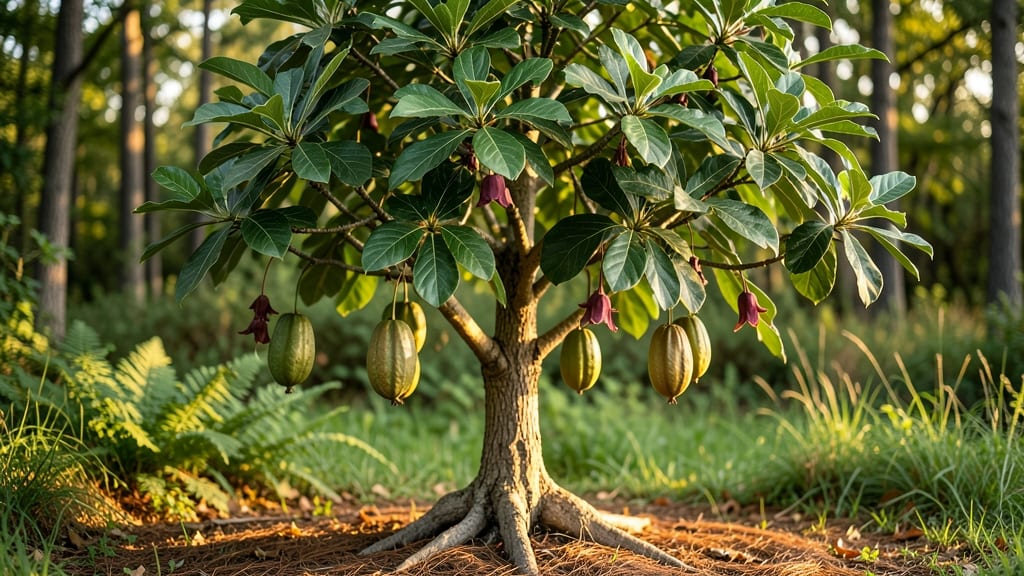
A pawpaw tree can grow anywhere from 15 to 40 feet tall—making it a striking choice for both small yards and spacious landscapes.
If you're dreaming of a tropical fruit tree that thrives in cooler climates but want to know how much space to dedicate, pawpaw trees deliver a surprising answer—some grow as small as shrubs while others tower like giants.
Most varieties reach their full height in 15 to 25 years, but with the right care, you can influence their size. Whether you're working with a dwarf variety or a standard tree, understanding how tall a pawpaw tree grows helps you plan for its long-term needs.
Below, I’ll break down the height ranges by variety, the factors that shape growth, and how to manage size if space is limited—so you can enjoy this unique fruit without sacrificing your garden layout.

Pawpaw tree height by variety: from dwarf to giant sizes
If you're considering adding a pawpaw tree to your landscape, understanding its mature height is crucial for planning. These native North American trees (Asimina triloba) offer a range of sizes, from compact shrubs to towering giants.
The variety you choose will determine how much space you need to allocate and whether it's suitable for small gardens or large properties.
Most pawpaw trees reach 20-40 feet tall at maturity, but some dwarf varieties stay under 15 feet. Growth rates vary too—some varieties grow 2-3 feet per year, while others take decades to reach their full height.
Let’s explore the most popular pawpaw varieties and their height profiles to help you make the best choice for your space.
Pawpaw trees thrive in USDA zones 5-9, but their height potential is influenced by growing conditions like soil quality, sunlight exposure, and pruning practices. Below, you’ll find a detailed comparison of 10+ common pawpaw varieties, including their mature heights, growth habits, and ideal spacing requirements.
Choosing the right pawpaw variety depends on your available space and gardening goals. For example, the Sunflower and Kenton varieties are ideal for small gardens or even container growing, while the Wilson’s Seedling and Mango varieties need ample room to thrive.
Always consider the spacing needs listed to ensure your tree has room to
Factors that determine how tall your pawpaw tree will grow
Your pawpaw tree's height isn't set in stone—it's shaped by a mix of natural conditions and your gardening choices. While some varieties naturally stay compact, others can reach 40 feet if given ideal growing conditions. Understanding these factors helps you plan for space, sunlight, and maintenance from day one.
The soil quality is your first growth controller. Pawpaws thrive in well-draining, slightly acidic soil (pH 5.5-6.5). Heavy clay or waterlogged soil stunts growth, while rich, loamy soil can push a tree toward its maximum height.
I always test my soil before planting—it's the difference between a 15-foot shrub and a 30-foot giant.
🌱
- 1 Sunlight exposure: Pawpaws need 6-8 hours of sun daily. Too little sun = slower growth and smaller stature. Too much direct sun in hot climates can stress the tree, reducing its potential height by 20-30%.
- 2 Climate zone: Trees in USDA zones 5-7 grow faster and taller than those in zones 8-9. Cooler climates with longer growing seasons produce trees that reach maturity 2-3 years sooner than their southern counterparts.
- 3 Pruning techniques: Regular pruning can reduce height by 30-50%. I prune my pawpaw in late winter to remove suckers and crossing branches, which encourages a bushier, more manageable shape.
- 4 Water availability: Deep, consistent watering in the first 2 years can increase mature height by 10-15 feet. Drought stress during critical growth phases permanently limits height potential.
- 5 Variety selection: Dwarf varieties like Sunflower max out at 15-20 feet, while standard types like Pennsylvania Golden easily exceed 30 feet. Choosing the right variety is your first step in controlling height.
Your local microclimate plays a surprising role too. Trees planted in valleys or low spots often grow taller due to cooler nighttime temperatures, while those on south-facing slopes may stay shorter from heat stress.
I once saw a pawpaw in my neighbor's yard grow 5 feet taller than mine—just because it was planted in a slight depression.
Don't underestimate the power of root competition. Pawpaws planted too close to other trees or structures will naturally grow taller as they stretch for sunlight. Give your tree at least 20 feet of space in all directions to avoid this "reach-for-the-sky" effect.
In tight spaces, I've used container growing with dwarf varieties to keep heights under 10 feet.
Finally, remember that patience pays off. Pawpaws grow 2-4 feet per year in ideal conditions, but it takes 10-15 years to reach full height.
Regular monitoring and adjustments to these factors will give you the perfect-sized tree for your space—whether that's a compact patio tree or a towering backyard centerpiece.
☀️✂️