
How To
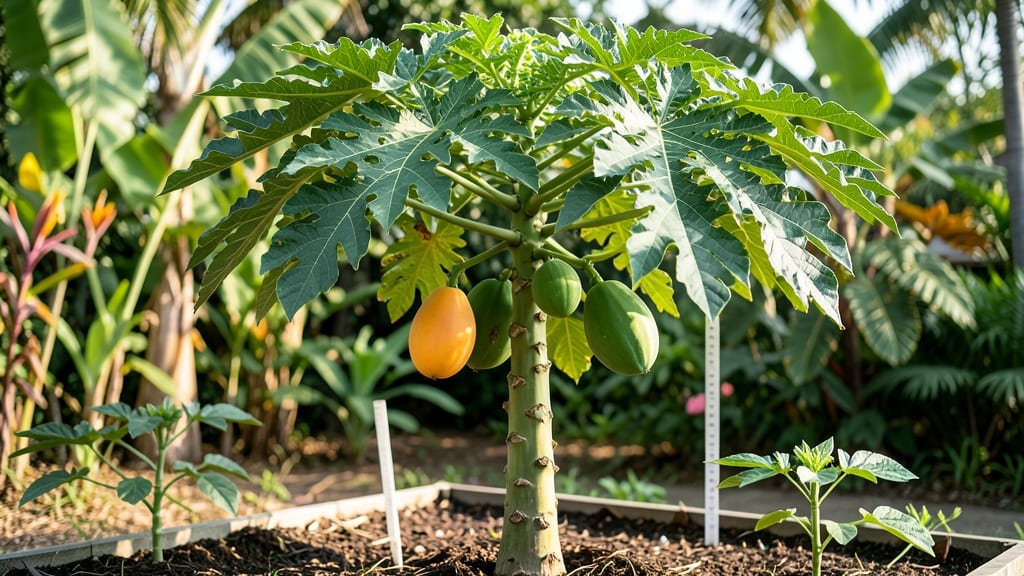
How tall a papaya tree grows depends on the variety, climate, and care you provide, turning your backyard into a tropical paradise 🍈—but their size can vary dramatically. Imagine a towering tree laden with sweet, vibrant fruit, only to realize it’s outgrown your space in just a few years. That’s why knowing how tall your papaya tree will grow is the first step to planning its perfect spot—whether you’re in a lush tropical zone or a warmer microclimate like Zone 9b.
From the compact Solo variety, which stays around 10-15 feet, to the towering Red Maradol, which can stretch over 25 feet, each type has its own growth story.
The right care—like pruning, sunlight, and soil—can even help control its height, ensuring it fits your garden without becoming a space invader.
In this guide, you’ll discover the exact heights by variety, the factors that influence growth, and practical tips to keep your papaya tree thriving—no matter how tall it dreams of being.

Papaya tree height by variety: exact growth expectations
Papaya trees are tropical powerhouses that can grow 10 to 30 feet tall at maturity, depending on the variety and growing conditions. If you're planning to grow one in your garden, knowing these height expectations will help you choose the right spot and variety for your space.
Some varieties stay more compact, while others can tower like small trees, making them perfect for large yards or tropical landscapes.
The Red Maradol variety, for example, is one of the most popular for home growers because it reaches a manageable 10-15 feet tall while producing sweet, elongated fruit.
Meanwhile, the Solo and SunUp varieties can grow up to 20 feet or more, requiring more space and careful pruning to control their size. Understanding these differences ensures you pick the right variety for your garden layout.
| Variety | Mature Height (ft) | Growth Timeline | Best For |
|---|---|---|---|
| Red Maradol | 10-15 ft | 8-12 months to fruit | Home gardens, containers |
| Solo | 15-20 ft | 6-10 months to fruit | Large yards, tropical climates |
| SunUp | 12-18 ft | 7-9 months to fruit | Commercial growers, warm climates |
| Kapoho Solo | 10-15 ft | 9-12 months to fruit | Small spaces, containers |
| Golden | 20-30 ft | 10-14 months to fruit | Large properties, tropical regions |
If you're growing papaya trees in containers, expect their height to be 20-30% shorter than their full potential. For example, a Solo variety that would reach 15-20 feet outdoors might only grow to 10-12 feet in a large pot.
This makes container growing a great option for urban gardeners or those with limited space, but you’ll still need to provide full sun and consistent care to encourage healthy growth.
Papaya trees grow rapidly in their first year, often reaching 3-5 feet tall within 6 months. By the second year, they can shoot up to 8-12 feet, and by year three, many varieties will hit their mature height.
This fast growth means you’ll need to plan for their space requirements early, especially if you’re growing them in your backyard where they might overshadow other plants.
The climate zone plays a huge role in how tall your papaya tree will grow. In USDA Zones 10-11, where temperatures stay warm year-round, papaya trees thrive and reach their full height potential.
However, in cooler microclimates like Zone 9b, growth may slow down, and the tree might stay shorter unless you provide protection from frost and extra warmth. If you live in a colder region, consider growing papaya trees in large containers that you can move indoors during winter.
Pruning is another key factor in controlling height. Regular pruning of lower branches encourages the tree to grow taller and focus energy on producing fruit higher up. However, over-pruning can stress the tree and reduce fruit yield, so it’s important to strike a balance.
For Red Maradol or Kapoho Solo varieties, light pruning is often enough to keep them manageable, while Golden or Solo varieties may need more aggressive pruning to control their height.
Soil quality also impacts height. Papaya trees thrive in well-draining, slightly acidic soil with a pH of 6.0-7.0. Poor soil conditions can stunt growth, leading to a shorter, less productive tree.
Amending your soil with compost or organic matter before planting gives your papaya tree the best start and encourages faster, healthier growth. If your soil is heavy or clay-like, consider planting in raised beds or containers to improve drainage and root health.
Finally, watering habits affect how tall your papaya tree grows. These trees love consistent moisture, especially during their first year of growth. Underwatering can cause stunted growth, while overwatering can lead to root rot and other issues.
Aim to water your papaya tree deeply 2-3 times per week during hot months and reduce watering slightly in
5 Factors that determine how tall your papaya tree will grow
Understanding how tall your papaya tree will grow starts with recognizing the five key factors that influence its height and structure. While some varieties naturally stay shorter, others can tower over your backyard, reaching heights of 30 feet or more.
The right balance of sunlight exposure, soil quality, and pruning techniques can either encourage rapid growth or keep your tree manageable for container gardening.
If you're growing papayas in USDA Zones 10-11, your tree will thrive with minimal height restrictions. However, in cooler zones like Zone 9b, proper care becomes even more critical to prevent stunted growth.
Let’s break down these five factors so you can optimize your papaya tree’s height for maximum fruit production or controlled growth in smaller spaces.
-
1Sunlight Exposure: Papaya trees need 6+ hours of direct sunlight daily to reach their full height. Insufficient light leads to stunted growth and poor fruit production. Place your tree in a south-facing location for optimal results.
-
2Soil Quality: Well-draining, fertile soil with a pH of 6.0-7.0 promotes rapid growth. Amend clay soil with compost to prevent root rot, which can slow height progression. Organic matter is key for nutrient absorption.
-
3Watering Schedule: Deep watering every 2-3 days (daily in extreme heat) ensures steady growth. Overwatering causes root issues, while underwatering stunts height. Monitor soil moisture—1-2 gallons per tree is ideal.
-
4Pruning Techniques: Prune suckers and dead branches to redirect energy toward height and fruit. Avoid heavy pruning—focus on shaping the tree’s central leader for vertical growth. Prune in early spring for best results.
-
5Climate Zones: Trees in Zones 10-11 grow tallest year-round, while those in Zone 9b may need winter protection. Cold snaps can halt growth or kill the tree entirely—use mulch and frost cloth if needed.
For container-grown papayas, pruning and root pruning are essential to manage height. Without these techniques, even dwarf varieties can outgrow their pots, leading to root-bound stress. Always use a well-draining potting mix and upgrade container size as the tree grows—aim for at least 20 gallons for mature trees.
If you’re growing papayas in cooler climates, focus on winter care to prevent height loss. Move potted trees indoors near a south-facing window or use a grow light to supplement sunlight. In USDA Zone 9b, protect young trees with row covers during unexpected cold snaps.
By mastering these five factors, you’ll not only control your papaya tree’s height but also ensure it produces abundant, high-quality fruit. Whether you’re aiming for a tropical centerpiece or a manageable container plant, the right care makes all the difference. 🌱🍈