
How To
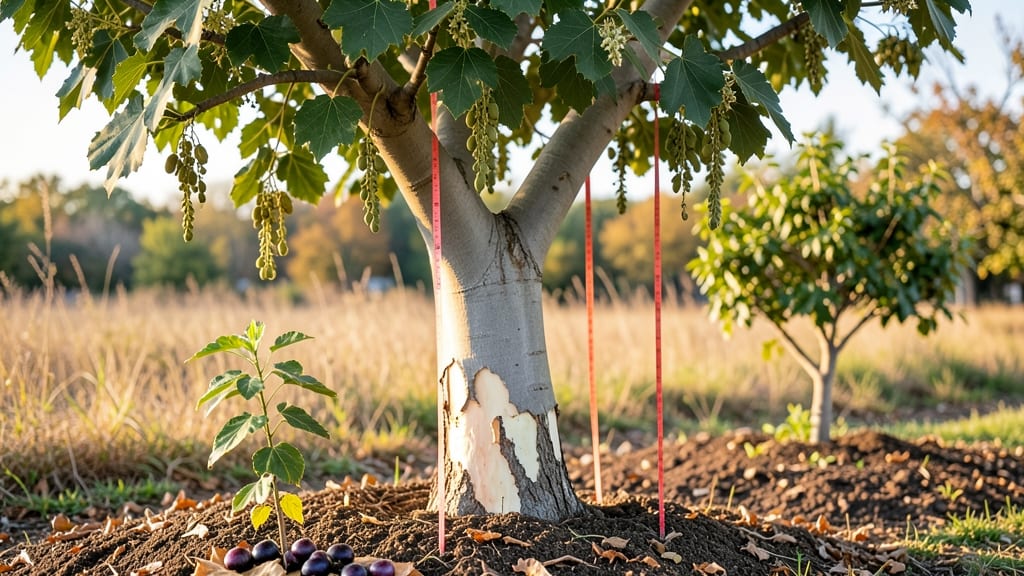
A mulberry tree can grow anywhere from 15 to 60 feet tall, depending on the variety and growing conditions 🌳 — that’s why knowing the specifics matters before you plant.
If you're dreaming of a towering mulberry tree but unsure whether it’ll dwarf your backyard or fit perfectly in a small garden, you’re in the right place. Mulberry trees vary wildly in height—from compact varieties perfect for urban spaces to giants that need acres to spread their roots.
Some species, like the white mulberry, max out around 25 feet, while black mulberries can soar to 60 feet or more if left unpruned. The difference isn’t just about space—it also affects fruit production, shade, and even how much maintenance you’ll need.
Below, I break down the exact height ranges by variety, what influences growth, and how to keep your mulberry tree at your desired size—whether you want a shade canopy or a fruit-bearing shrub.

Mulberry tree height ranges by variety: from dwarf to giant
Choosing a mulberry tree often comes down to one critical question: how tall does a mulberry tree grow? The answer depends entirely on the variety you select, with some reaching 60 feet while others stay under 15 feet.
If you're working with limited space or planning a backyard orchard, knowing these height ranges will help you make the perfect choice for your landscape.
Mulberry trees are fast-growing deciduous trees known for their delicious fruit and lush foliage. However, their mature size varies dramatically between species. The white mulberry and black mulberry are the most common, but even within these categories, height differences exist based on rootstock and cultivation practices.
Let’s break down the exact height ranges you can expect from each popular variety.
| Variety | Mature Height | Growth Rate (First 3 Years) | Best For |
|---|---|---|---|
| White Mulberry | 40-60 ft | 10-15 ft/year | Large properties, shade trees |
| Black Mulberry | 30-50 ft | 8-12 ft/year | Fruit production, medium yards |
| Red Mulberry | 25-40 ft | 6-10 ft/year | Small farms, urban orchards |
| Illinois Everbearing | 15-25 ft | 4-8 ft/year | Small gardens, containers |
| Dwarf Cultivars (e.g., 'Illini Hardy') | 10-15 ft | 2-5 ft/year | Patios, balconies, small spaces |
The white mulberry is the tallest variety, often reaching 60 feet with aggressive growth rates of 10-15 feet per year in ideal conditions. This makes it perfect for large properties where shade and height aren’t a concern.
If you’re looking for a black mulberry tree, expect heights between 30-50 feet, with slightly slower growth but equally impressive fruit production.
For smaller spaces, the red mulberry is a fantastic middle-ground option, typically maturing between 25-40 feet. This variety is also prized for its disease resistance and sweet berries, making it a favorite among home gardeners with moderate yard sizes.
The Illinois Everbearing mulberry stands out as a semi-dwarf option, ideal for those who want fruit without the towering height.
If you’re truly limited on space, consider dwarf mulberry cultivars like 'Illini Hardy,' which max out at 15 feet. These are often grafted onto dwarfing rootstock to control their size, making them perfect for containers or small urban gardens.
They may grow slower—only 2-5 feet per year—but their compact size makes them incredibly versatile for creative landscaping.
One common misconception is that all mulberry trees grow at the same rate. In reality, growth rates vary significantly based on variety, soil quality, and climate.
For example, a white mulberry in USDA Zone 8 with rich, well-draining soil can shoot up 15 feet in a single year, while the same tree in Zone 5 might grow only 5-8 feet annually due to cooler temperatures.
When planning your mulberry tree’s future height, also consider its spread. Most varieties develop a wide canopy, often matching or exceeding their height. This means a 40-foot-tall white mulberry could spread 30-40 feet wide, requiring ample space to avoid overcrowding nearby plants or structures.
Always check the mature spread of your chosen variety to ensure it fits your landscape.
For those with small gardens, regular pruning can help manage height and shape. Even standard varieties like the black mulberry can be kept under 20 feet with consistent pruning in late winter.
Just be aware that heavy pruning may reduce fruit production temporarily, so balance size control with your harvest goals.
Ultimately, the best mulberry tree for your space depends on your priorities: fruit yield, shade provision, or compact size. Whether you’re dreaming of a giant white
Factors that determine mulberry tree height (and how to control it)
Understanding what makes a mulberry tree grow tall—or stay short—is key to planning your garden. The rootstock you choose alone can determine whether your tree reaches 60 feet or stays under 15 feet.
Even within the same variety, factors like soil fertility, pruning habits, and local climate create dramatic differences in height over time.
For example, a black mulberry grafted onto a dwarfing rootstock might max out at 20 feet, while the same top growth on standard rootstock could tower 50 feet tall.
The pruning schedule you follow also plays a critical role—aggressive annual pruning can keep a tree at a manageable height, while neglect can lead to unruly growth that blocks sunlight for other plants.
- Rootstock Type: Dwarfing rootstock (e.g., Illinois Everbearing) keeps trees under 25 feet, while standard rootstock allows 40-60 feet growth.
- Pruning Technique: Annual winter pruning (cutting 20-30% of branches) maintains height; no pruning leads to rapid vertical growth.
- Soil Conditions: Rich, well-draining soil with high organic matter fuels faster growth; poor soil slows height increase by up to 30%.
- Climate Impact: Trees in USDA Zones 7-9 grow 20-30% faster than those in colder zones due to longer growing seasons.
- Water Availability: Consistent moisture (especially in first 2 years) accelerates height gain by 50% compared to drought-stressed trees.
If you're working with a small garden, focus on rootstock selection first. My Illinois Everbearing mulberry stays under 15 feet even without pruning, making it ideal for urban yards. Pair this with annual pruning in late winter to shape the tree and remove suckers that compete for nutrients.
For fruit production, avoid over-pruning—removing more than 30% of branches in one year can reduce berry yield by 40%. Instead, prune to open the canopy for sunlight, which improves fruit quality.
In my experience, a balanced approach—light pruning + proper spacing—keeps trees manageable while ensuring a bountiful harvest.
One often-overlooked factor is competition. Mulberry trees near other large plants or structures grow slower due to root competition. I’ve seen trees near walnut trees or oak canopies stay 10-15 feet shorter than isolated specimens.
If space is tight, plant your mulberry at least 15 feet away from other trees.
For container growing, choose dwarf varieties like ‘Compact’ mulberry and use a large pot (20+ gallons) with fast-draining soil. Root-bound trees grow 30% slower in height but produce fruit just as well. Just remember to prune roots every 2-3 years to prevent stunted growth.