
How To
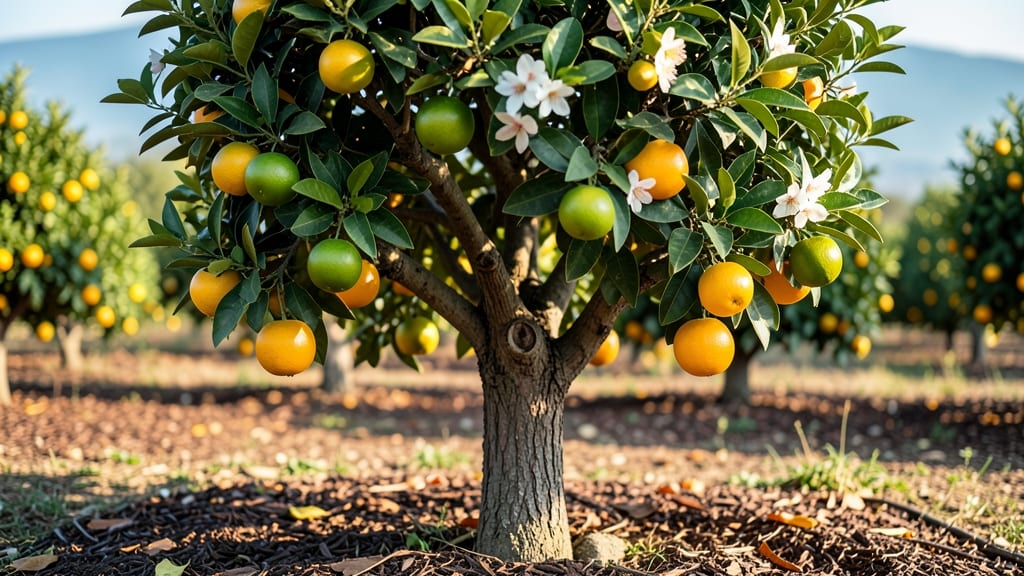
How tall an orange tree grows means planning for heights that can range from a manageable 8 feet to towering 40 feet—and the difference depends entirely on the variety you choose.
Wondering if your backyard can accommodate an orange tree? The height of these citrus giants varies dramatically—from compact dwarf varieties perfect for containers to towering standard trees that need serious space.
Standard varieties like Navel or Valencia can stretch 20 to 30 feet tall, requiring careful spacing and pruning to keep them from shading out other plants. Meanwhile, dwarf types stay under 8 feet, making them ideal for patios or small urban gardens.
Below, I break down the height differences between dwarf and standard orange trees, how to control growth naturally, and what factors—like climate, pruning, and container size—can influence how tall your tree will become.

Standard orange tree heights: how big can they really get?
If you're dreaming of a backyard bursting with fresh oranges, understanding standard orange tree heights is your first step. Most full-sized varieties like Valencia and Navel oranges can reach an impressive 20-30 feet tall at maturity, with some even towering up to 40 feet in ideal conditions.
That's taller than a two-story house! These trees grow steadily, typically adding 1-2 feet per year once established.
Before planting, consider your space carefully. A mature standard orange tree needs not just vertical room but also horizontal space—their root systems can spread 15-20 feet wide, sometimes even wider than the tree's height.
This makes them unsuitable for small urban yards unless you're prepared for strategic pruning or container growing (which we'll cover later).
Here's a quick look at what to expect with standard orange trees:
| Variety | Mature Height (ft) | Root Spread (ft) | Growth Rate (ft/year) | Years to Maturity |
|---|---|---|---|---|
| Valencia | 20-30 | 15-20 | 1-2 | 5-7 |
| Navel | 25-35 | 20-25 | 1.5-2.5 | 6-8 |
| Blood Orange | 18-25 | 12-18 | 1-1.5 | 4-6 |
| Satsuma (Cold-Hardy) | 15-20 | 10-15 | 0.8-1.2 | 3-5 |
Your climate zone plays a huge role in how tall your orange tree will grow. In USDA Zones 9-11 (where they thrive), these trees can reach their full potential. But in cooler zones like Zone 8, they'll grow more slowly and may stay shorter unless you provide winter protection.
I've seen Navel oranges in Zone 9 reach 30 feet in just 10 years with proper care!
The growth rate of orange trees isn't consistent year-round. They experience flushes—periods of rapid growth—typically in spring and fall. During these times, you might see 6-12 inches of new growth in just a few months.
Summer growth slows as the tree focuses on fruit production, while winter brings dormancy. Understanding this cycle helps you plan for pruning and space management.
One common misconception is that you can simply plant a standard orange tree in your backyard and let it grow wild. But without proper pruning and training, these trees can become unmanageable.
I recommend starting with a central leader structure—keeping one main trunk with branches spaced evenly—when the tree is young. This makes future pruning easier and helps control the tree's eventual height.
For those with limited space, consider the root spread when planning your planting location. The roots of a mature orange tree can extend far beyond the tree's canopy. Planting too close to structures or other plants can lead to root competition and stunted growth.
I always recommend giving your orange tree at least 15 feet of clear space in all directions for optimal growth.
If you're wondering about container growing, standard orange trees simply won't work—even in 50-gallon containers, they'll struggle to reach their full height potential. However, their dwarf cousins (which we'll cover next) thrive in containers.
The key difference is in their rootstock: standard trees grow on their own roots or vigorous rootstock, while dwarfs are grafted onto dwarfing rootstock like Citrange Carrizo.
Remember that fruit production typically begins when the tree reaches about half its mature height. So if you're planting a standard Navel orange tree that will reach 30 feet, expect your first significant harvest around years 5-7. Patience is
Dwarf orange tree varieties: compact options for small gardens
If you love the idea of growing your own oranges but have limited space, dwarf orange tree varieties are your perfect solution. These compact citrus trees thrive in containers, patios, and even urban balconies while producing sweet, flavorful fruit.
Unlike their full-size counterparts that can reach 20-40 feet tall, dwarf varieties stay under 8 feet, making them ideal for small gardens and indoor growing setups.
Choosing the right dwarf variety depends on your climate, container size, and fruit preferences. The Calamondin, Improved Meyer, and Pixie are top picks for their hardiness, fruit quality, and manageable heights.
Each variety has unique care requirements, so let’s compare them to help you decide which fits your space best.
| Variety | Mature Height | Best For | Fruit Size | Cold Hardiness |
|---|---|---|---|---|
| Calamondin | 3-6 ft | Containers, bonsai | Tangerine-sized | USDA Zone 9-11 |
| Improved Meyer | 6-8 ft | Patios, small yards | Grapefruit-sized | USDA Zone 8-11 |
| Pixie | 4-6 ft | Containers, indoor | Orange-sized | USDA Zone 9-11 |
The Calamondin is the smallest and most cold-tolerant option, perfect for container growing or even bonsai. Its tangerine-sized fruit is tart-sweet and great for marmalades or fresh snacking.
However, it thrives best in warmer climates (Zones 9-11), so if you live in cooler areas, consider growing it in a large pot you can move indoors during winter.
For a more traditional orange flavor, the Improved Meyer is a fantastic choice. This variety grows slightly taller (6-8 feet) and produces grapefruit-sized oranges with a sweeter taste than standard oranges.
It’s also more cold-hardy (Zone 8-11), making it suitable for patios or small yards in milder climates. Just ensure it gets full sun (6+ hours daily) for optimal fruit production.
If you’re dreaming of a true dwarf orange tree that stays under 6 feet tall, the Pixie variety is your best bet. It produces standard-sized oranges but remains compact enough for balconies or indoor growing near a sunny window.
Unlike the Calamondin, Pixie requires consistent moisture and well-draining soil to prevent root rot, especially in containers.
One key difference between dwarf and standard orange trees is their growth rate and care needs. Dwarf varieties need regular pruning to maintain their shape and encourage fruit production, while standard trees can handle more neglect.
Additionally, container-grown dwarf trees require frequent watering (every 3-5 days) compared to in-ground planting, which can go 10-14 days between waterings. Always use a well-draining potting mix to avoid soggy roots.
Whether you choose a Calamondin for its tiny size, an Improved Meyer for its sweet fruit, or a Pixie for its true orange flavor, dwarf varieties bring the joy of homegrown citrus to small spaces.
With the right care—sunlight, water, and pruning—you’ll enjoy fresh oranges year after year, no matter how limited your garden is. 🍊🪴