
How To
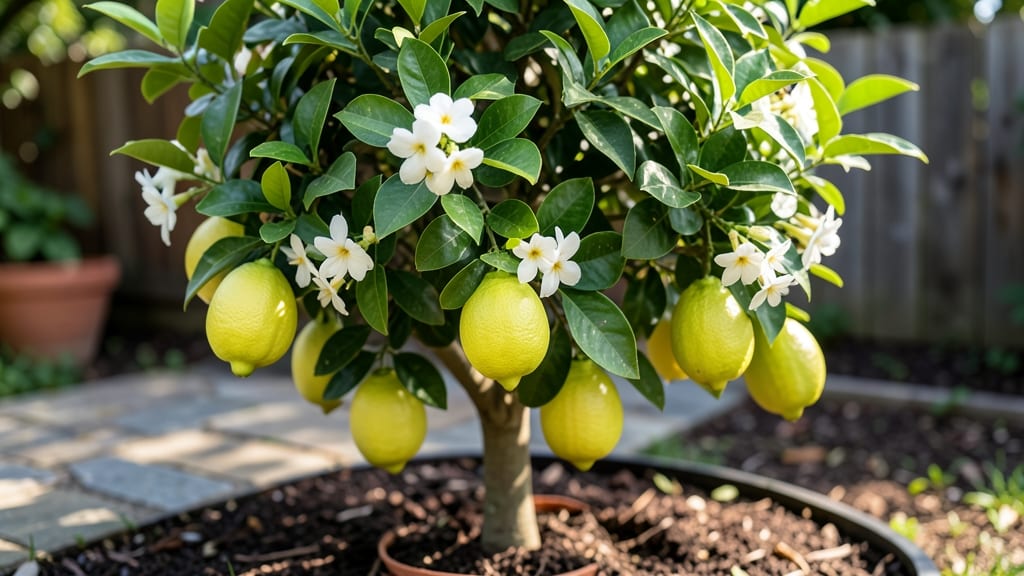
A Meyer lemon tree grows between 6 and 12 feet tall at maturity, but its height depends on sunlight, pruning, and whether you plant it in a container or in the ground.
If you're dreaming of a Meyer lemon tree that produces sweet, fragrant fruit year-round, understanding its growth potential—and how sunlight shapes its height—is the first step to success.
A tree left unchecked in full sun can easily reach 10 to 12 feet, while regular pruning and partial shade can keep it compact at 6 to 8 feet, perfect for patios or small gardens.
Sunlight is the key to controlling its growth—too little and your tree will stretch awkwardly, too much and it may become leggy or stressed.
In Zone 9b, where these trees thrive, they need at least 6 hours of direct light daily, but containers near south-facing windows can work too, with adjustments for seasonal light changes.
Below, I’ll break down how to manage your Meyer lemon tree’s height, from choosing the right variety to pruning techniques that keep it productive without taking over your space. You’ll also learn how sunlight, soil, and seasonal care all play a role in keeping your tree happy—and your harvests plentiful.

Meyer lemon tree height guide: expected growth stages and space requirements
If you're planning to grow a Meyer lemon tree, understanding its height progression is key to creating the perfect space for it to thrive. Unlike some citrus trees that stay compact, Meyer lemons can grow surprisingly tall—especially if left unchecked.
But with the right care, you can guide its growth to fit your garden or patio perfectly.
The mature height of a Meyer lemon tree typically ranges from 6 to 12 feet, but this varies widely depending on whether you're growing it in containers vs. ground planting.
Dwarf varieties, which are becoming increasingly popular, stay between 6 and 8 feet, making them ideal for patios or small yards. Meanwhile, standard varieties can reach 10 to 15 feet if not pruned regularly.
Here’s a quick breakdown of what to expect at each growth stage, along with how to manage space requirements for both container-grown and in-ground Meyer lemon trees:
| Growth Stage | Height Range (Feet) | Space Needs | Pruning Tips |
|---|---|---|---|
| Year 1 (Seedling) | 1–3 ft | Container: 5-gallon pot; In-Ground: 3 ft radius | Minimal pruning; focus on root growth |
| Year 2 (Juvenile) | 3–5 ft | Container: 15-gallon pot; In-Ground: 5 ft radius | Light pruning to shape canopy |
| Year 3 (Early Mature) | 5–8 ft | Container: 25-gallon pot; In-Ground: 8 ft radius | Prune to remove dead wood; encourage branching |
| Mature (Dwarf Variety) | 6–8 ft | Container: 30-gallon pot; In-Ground: 10 ft radius | Regular pruning to maintain height; trim annually |
| Mature (Standard Variety) | 10–15 ft | In-Ground only; 15 ft radius | Heavy pruning required; train branches for support |
For container-grown Meyer lemon trees, height control is much easier because you can limit root growth and prune more aggressively. A 30-gallon pot is ideal for dwarf varieties, while standard trees may outgrow containers entirely and require in-ground planting.
If you're growing in a pot, choose one with drainage holes and upgrade its size by 2–3 gallons each year to accommodate root expansion.
In-ground planting offers more space for roots to spread, which can accelerate growth. If you're planting a standard Meyer lemon tree, leave at least 10–15 feet of clearance around it to avoid overcrowding.
For dwarf varieties, 6–8 feet of space is sufficient. Always plant in well-draining soil to prevent root rot, which can stunt growth and weaken the tree.
Pruning plays a critical role in controlling height. If you want to keep your Meyer lemon tree compact, prune it annually in late winter or early spring before new growth begins.
Remove any suckers or water sprouts that appear at the base or along branches, as these can divert energy away from fruit production. For standard varieties, structural pruning—like training branches to grow horizontally—can also help manage height while improving air circulation and fruit accessibility.
One common mistake gardeners make is underestimating how quickly Meyer lemon trees grow when given ideal conditions. Without pruning, a standard tree can reach 15 feet in as little as 5–7 years.
To avoid ending up with a tree that’s too tall for your space, start pruning early and be consistent. Even a light trim every few months can make a big difference in keeping your tree at a manageable height.
If you're growing your Meyer lemon tree indoors near a south-facing window, expect slower growth compared to outdoor plants. Indoor trees typically stay 3–5 feet tall unless you provide supplemental grow lights.
However, with proper care, you can still enjoy a productive, compact tree that fits beautifully in your home.
Remember, the key to managing your Meyer lemon tree’s height lies in balancing pruning, container size, and sunlight exposure.
With the right approach, you can enjoy a tree that’s just the right size for your space—whether that’s a 6-foot dwarf variety on your patio or a 10-foot standard tree in your backyard.
Sunlight needs to control Meyer lemon tree height and maximize fruit production
Your Meyer lemon tree’s height and fruit production are directly tied to sunlight exposure. While these trees can reach 10–12 feet tall outdoors, their growth rate and fruit yield skyrocket with 6–8 hours of direct sun daily.
Insufficient light forces the tree to stretch upward, creating weak branches and fewer lemons. Understanding seasonal sunlight adjustments is key to keeping your tree compact and productive.
For container-grown Meyer lemons, place them near south-facing windows or under grow lights for 12–14 hours daily in winter. Indoor trees often stay 4–6 feet tall due to limited light, but they’ll still produce fruit—just fewer of them.
Outdoor trees, however, thrive when planted in full sun exposure, where they can reach their full 6–12 foot height within 3–5 years.
⚠️ WARNING: Insufficient Sunlight Triggers Overgrowth Risks ⚠️
- Stems longer than 12 inches between leaves
- Yellowing leaves (chlorosis) on new growth
- Fewer than 5 lemons per year on mature trees
Seasonal sunlight shifts matter too. In summer months, provide afternoon shade (1–3 PM) if temps exceed 90°F to prevent leaf scorch. Conversely, winter sunlight (even on cloudy days) is crucial—your tree needs 4–6 hours of direct light to avoid dormancy-related growth stunts.
A south-facing window or greenhouse maximizes winter light exposure for container trees.
Light intensity also affects fruit quality. Trees in bright, direct sun produce sweeter, thicker-skinned lemons with higher oil content. If your tree’s leaves are light green or pale, it’s a sign of low light stress.
Prune back leggy branches and relocate the tree to a sunnier position—even moving it 2 feet closer to a window can double fruit production within a season.
Pro tip: Use a light meter (or phone app) to track sunlight hours. Aim for 10,000+ lux at the tree’s canopy.
If your space only offers partial sun, choose a dwarf Meyer lemon variety (e.g., ‘Improved Meyer’) to manage height while still enjoying 6–8 foot trees with decent fruit yields.
By mastering sunlight control, you’ll keep your Meyer lemon tree compact, healthy, and productive—whether it’s a 6-foot potted beauty or a 12-foot backyard giant. Start with full sun placement, adjust seasonally, and watch your tree thrive! 🌿☀️