
How To
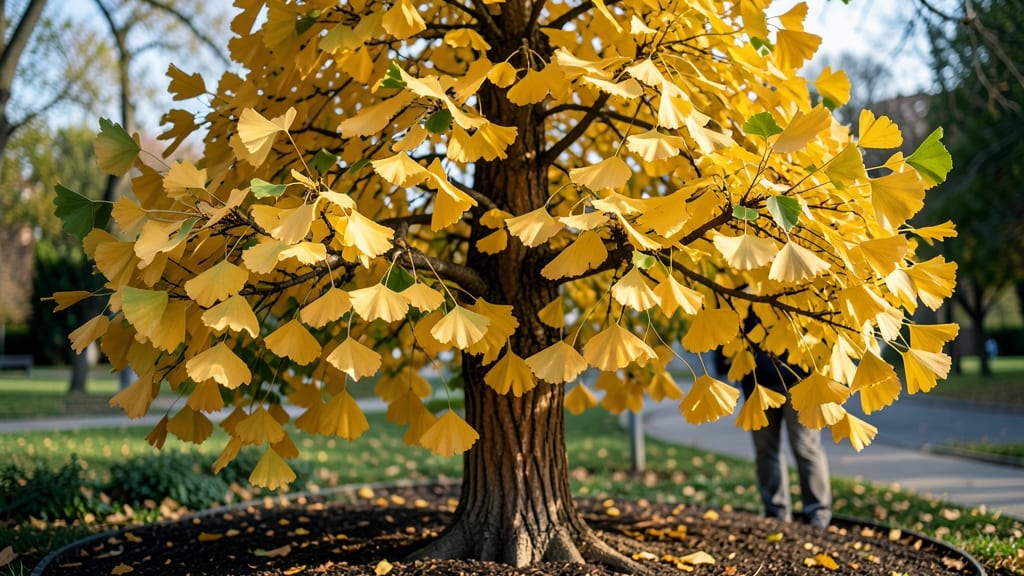
A ginkgo tree how tall does a ginkgo tree grow at maturity? The answer depends on the variety and growing conditions—so if you’re planning your landscape, knowing the exact height range is the first step to avoiding a towering surprise.
Picture this: a majestic 🌳 that thrives in urban settings, resists pests, and lives for centuries. But that same tree could easily outgrow your backyard if you pick the wrong variety.
The difference between a 60-foot standard ginkgo and a 20-foot dwarf isn’t just aesthetics—it’s about space, sunlight, and long-term maintenance.
Whether you’re choosing a Ginkgo biloba ‘Fastigiata’ for a narrow street or an ‘Autumn Gold’ for a statement piece, the height isn’t just about the roots—it’s about sunlight, soil, and even pruning habits.
I’ll break down how to pick the right size for your yard and what to expect over the years.
By the end, you’ll know exactly how tall your ginkgo will grow, how fast it’ll get there, and whether you’ll need to call in the chainsaw—or just step back and admire the view.

Ginkgo tree height by variety: mature size ranges and growth habits
Choosing the right ginkgo tree variety depends on your space and vision. The Ginkgo biloba is one of the oldest living tree species, and its mature height varies dramatically between varieties.
Some grow as tall as 120 feet, while others stay compact at 15-25 feet, making them perfect for urban gardens. Understanding these differences helps you pick the ideal tree for your landscape.
Native to China but widely planted worldwide, ginkgo trees are prized for their golden fall foliage, pest resistance, and adaptability.
Whether you're planting near a sidewalk or in a spacious yard, knowing the mature height and growth rate of each variety ensures you make the best choice for your property.
The Ginkgo biloba 'Fastigiata' is a popular choice for urban landscapes due to its narrow, columnar shape. This variety typically reaches 40-60 feet tall with a spread of 15-25 feet, making it ideal for streetscapes or small yards.
Its moderate growth rate means you won’t see dramatic height increases in the first few years.
If you're limited on space, the 'Princeton Sentry' variety is a game-changer. This dwarf ginkgo tops out at 30-40 feet and grows at a slow to moderate pace, perfect for patios or front yards. Its compact form also means less pruning over time, saving you effort and maintenance costs.
For a bold statement, consider the 'Autumn Gold' variety. Known for its vibrant golden fall foliage, this tree can grow 50-70 feet tall with a wide spread of 30-40 feet. It’s best suited for large properties where its sprawling branches can shine without crowding other plants.
The 'Saratoga' ginkgo is another excellent option for smaller spaces. This semi-dwarf variety stays between 25-35 feet tall and grows slowly, making it perfect for container planting or tight urban gardens. Its manageable size also means it won’t overshadow nearby structures or sidewalks.
If you're planning for a long-term investment, the 'Horstman's Giant' is a stunning choice. This variety can reach 60-80 feet tall and grows quickly, adding 2-3 feet per year in ideal conditions. It’s best for large estates or public parks where its majestic presence can be fully appreciated.
When selecting a ginkgo variety, also consider its growth rate. Faster-growing trees like 'Horstman's Giant' will fill out quickly, while slower varieties like 'Saratoga' offer steady, predictable growth. Always check local planting regulations to ensure your chosen variety won’t outgrow its space over time.
Regardless of the variety, ginkgo trees are low-maintenance and thrive in urban environments. Their disease resistance and tolerance for pollution and poor soil make them a practical choice for city landscapes. With the right variety, you can enjoy
Factors that influence ginkgo tree height: soil, climate, and pruning tips
The height of your ginkgo tree depends on more than just its variety—soil quality, climate conditions, and your pruning habits play crucial roles. Ginkgo trees thrive in diverse environments, but their growth potential can vary dramatically based on these factors.
For example, a Ginkgo biloba planted in nutrient-rich soil with full sun exposure may reach 80 feet within 50 years, while one in poor soil or shade could stay under 40 feet. Understanding these influences helps you plan for the perfect landscape fit.
Sunlight is the most critical factor for ginkgo growth. These trees require at least 6 hours of direct sunlight daily to reach their full height potential. In urban areas with limited sunlight, ginkgos may grow more slowly and develop a narrower canopy.
Additionally, water availability affects early growth—young trees need consistent moisture, while mature trees become drought-tolerant. Balancing these elements ensures your ginkgo grows tall and healthy.
⚠️ WARNING: Overpruning Can Stunt Growth ⚠️
Soil quality directly impacts root development, which is essential for supporting a tall ginkgo. These trees prefer well-draining, slightly acidic soil (pH 6.0-7.5). Compacted or waterlogged soil restricts root growth, leading to shorter stature and weaker branches.
Amending clay soil with compost or sand improves drainage, while adding organic matter to sandy soil enhances nutrient retention. A healthy root system allows your ginkgo to maximize its height potential over time.
Climate plays a surprising role in ginkgo height. While these trees tolerate USDA Zones 3-9, their growth rate slows in extreme cold or heat. In cooler climates (Zones 3-5), ginkgos may grow more slowly but develop denser wood, supporting taller trunks.
Conversely, in hot, dry climates (Zones 7-9)), they grow faster but require extra water during establishment. Wind exposure also matters—sheltered locations produce straighter, taller trees, while windy areas can cause stunted or leaning growth.
Pruning isn’t just for shaping—it’s a tool to control or encourage height. To maximize height, avoid heavy pruning during the first 10 years of growth. Instead, focus on removing only dead or crossing branches.
For height control, prune the topmost buds in late winter to redirect energy to lateral branches. Never remove more than 25% of the canopy in a single year, as this stresses the tree and reduces future growth.
If you’re planting a ginkgo in a small space, choose a dwarf or semi-dwarf variety like 'Saratoga' (15-25 ft) or 'Horstman's Giant' (25-40 ft). For larger landscapes, standard varieties like 'Autumn Gold' can reach 60-120 feet with proper care.
By understanding these factors, you’ll ensure your ginkgo grows to the perfect height for your garden’s vision. 🌳