
How To
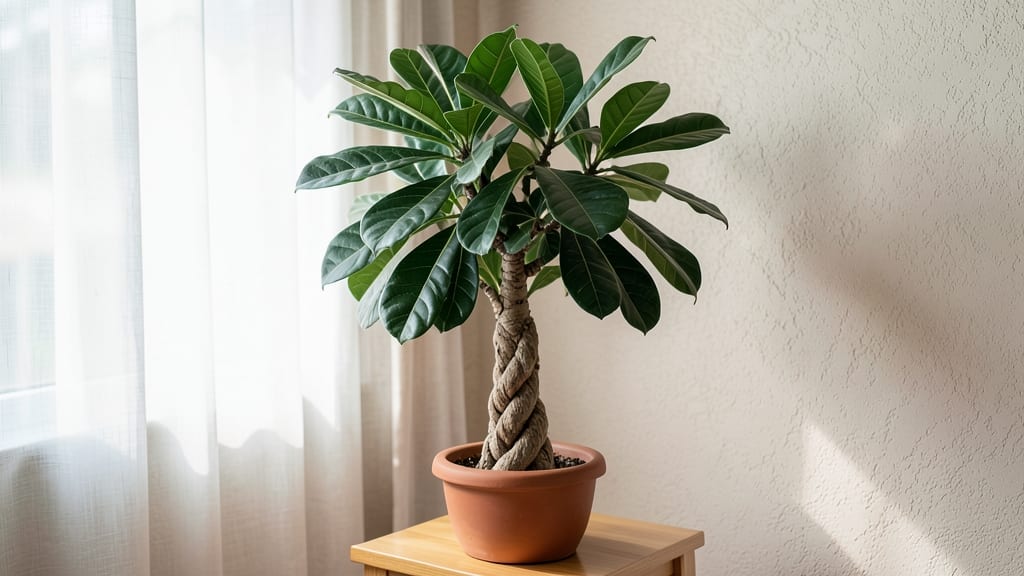
A money tree grows 3 to 10 feet tall indoors, depending on its variety and care—but most people never let theirs get that big.
If you’ve ever wondered whether your Pachira aquatica will stretch toward the ceiling or stay a compact tabletop plant, the answer lies in how you nurture it.
Picture this: a 6-foot money tree 🌿 in a cozy living room, its braided trunk reaching just below the light fixture, or a dwarf variety staying under 4 feet for easy desk placement. The difference isn’t luck—it’s light, pruning, and a few other tricks most growers miss.
Indoor money trees thrive in bright, indirect light but can grow faster (and taller) with proper watering and occasional fertilizing. Outdoors in zones 10-12, they may reach 10 feet or more, but indoors, most stay between 4 and 6 feet with regular pruning.
Below, I’ll break down the height ranges by variety, how to control growth, and whether your money tree could one day touch the ceiling—or stay the perfect size for your space.

Money tree height by variety: expected growth limits indoors
The money tree (Pachira aquatica) is a stunning tropical plant prized for its lush foliage and symbolic meaning. But how tall will yours grow? The answer depends entirely on the variety you choose, as some stay compact while others reach impressive heights.
Understanding these differences helps you plan your space and care routine effectively. Let’s explore the height expectations for popular money tree varieties and what influences their growth indoors.
Most money trees grow between 3 to 10 feet tall indoors, but their mature size varies significantly by type. For example, the classic 'Money Tree' variety can tower up to 10 feet with proper care, while braided varieties often stay shorter—around 4 to 6 feet.
These differences are due to genetic traits and how each variety responds to pruning and light exposure. Knowing these limits helps you choose the right plant for your home’s layout.
The standard money tree is the fastest grower, often reaching 6 to 10 feet indoors with ideal conditions. This variety thrives in bright, indirect light and benefits from regular pruning to control its height. If left unchecked, it can become a ceiling-height challenge in just a few years.
For those with lower ceilings, the braided money tree is a fantastic alternative, typically staying between 4 to 6 feet tall.
If you’re working with limited space, consider the dwarf money tree, which maxes out around 3 to 5 feet. These varieties are perfect for apartments, offices, or small rooms where vertical space is limited.
Even with dwarf varieties, proper care—like pruning and repotting—can influence their final height. For example, pinching back new growth encourages bushier, shorter plants.
Light exposure plays a critical role in determining how tall your money tree grows. While these plants love bright indirect light, too much direct sunlight can cause rapid, leggy growth. Place your money tree near an east or north-facing window for optimal conditions.
If your home lacks natural light, supplement with a grow light to maintain healthy growth without excessive height spikes.
Pot size also affects height. Money trees grow faster when root-bound, so repotting into a slightly larger container every 2–3 years encourages upward growth. However, if you want to limit height, keep the plant in a smaller pot or prune it regularly.
The key is balancing growth stimulation with size control to achieve your desired look.
Humidity levels can influence height indirectly by affecting overall plant health. Money trees thrive in 50–70% humidity, which is common in tropical climates. If your home is dry, consider using a humidifier or pebble tray to keep the air moist.
Well-hydrated plants grow more steadily and are less prone to sudden height surges caused by stress.
Pruning is the most effective way to manage your money tree’s height. By cutting back overgrown branches in early spring, you encourage bushier growth and prevent the plant from becoming top-heavy.
Always use sterilized pruning shears and make cuts just above a leaf node. This technique not only controls height but also promotes a fuller, more attractive shape.
Outdoor growth potential varies by climate. In USDA Zones 10–12, money trees can grow outdoors year-round, often reaching 10–15 feet tall in ideal conditions. However, in cooler climates, they must be brought indoors during winter.
If you’re considering outdoor planting, choose a sheltered spot with partial shade to protect the plant from harsh elements.
In summary, your money tree’s height depends on its variety, care routine, and growing conditions. Whether you prefer a towering statement plant or a compact desk companion, understanding these factors ensures your money tree thrives at the perfect size for your space.
Start with the right variety, provide consistent care, and enjoy a lush, healthy plant that fits your home beautifully. 🌿
How to control money tree height: pruning and care tips
Your money tree (Pachira aquatica) can grow tall—sometimes reaching 10 feet indoors if left unchecked! But with the right pruning techniques and care, you can keep it at a manageable 4-6 feet for your space.
The key lies in understanding when and how to trim, along with managing light and repotting schedules to slow vertical growth while encouraging bushier foliage.
Pruning isn’t just about cutting back height—it’s also about shaping your money tree for fuller growth. When done correctly, pruning stimulates new branches, creating a balanced, lush plant. However, improper pruning can stress the plant or lead to leggy, weak stems.
Let’s break down the step-by-step process to control your money tree’s height while keeping it healthy and vibrant.
Step-by-Step Guide to Pruning and Height Control
-
Step 1: Choose the Right Time
Prune in early spring (March-April) when the plant enters its active growth phase. Avoid pruning in winter, as the plant is dormant and more vulnerable.
-
Step 2: Use Clean, Sharp Tools
Disinfect your pruning shears with rubbing alcohol to prevent bacterial infections. Make cuts at a 45-degree angle, just above a leaf node or branch junction.
-
Step 3: Trim Leggy Stems
Identify tall, bare stems and cut them back by 1/3 to 1/2. This encourages lateral branching and a fuller shape. Avoid cutting into the main trunk unless necessary.
-
Step 4: Encourage Bushier Growth
Pinch back the tips of new growth in summer to promote side shoots. This technique works best on younger plants and helps maintain a compact form.
-
Step 5: Manage Light Exposure
Place your money tree in bright, indirect light (e.g., east-facing windows). Direct sunlight can cause rapid, leggy growth, while too little light slows growth entirely. Rotate the pot quarter-turns monthly for even exposure.
-
Step 6: Repot for Controlled Growth
Repot every 2-3 years or when roots circle the pot. Choose a container only 1-2 inches larger than the current one to limit root expansion, which slows vertical growth.
-
Step 7: Avoid Common Mistakes
Over-pruning can stress the plant, while under-pruning lets it grow too tall too fast. Never prune more than 1/3 of the foliage at once, and always water thoroughly after trimming to reduce shock.
Light plays a crucial role in controlling your money tree’s height. While it thrives in bright, indirect light, too much direct sunlight can cause stretched, weak stems as the plant reaches for light.
If you notice your money tree growing too tall too quickly, move it to a shadier spot or add a sheer curtain to diffuse harsh rays.
Repotting is another often overlooked technique to manage height. Money trees grow faster when root-bound, so upgrading to a larger pot only slightly bigger than the current one can slow vertical growth.
Use a well-draining potting mix with perlite or orchid bark to prevent root rot, which can weaken the plant and lead to uncontrolled height spikes.
With these pruning and care tips, your money tree will stay at your desired height while maintaining its lush, healthy appearance. Remember, consistency is key—regular pruning, proper light, and mindful repotting will keep your plant compact and thriving for years to come. 🌿