
How To
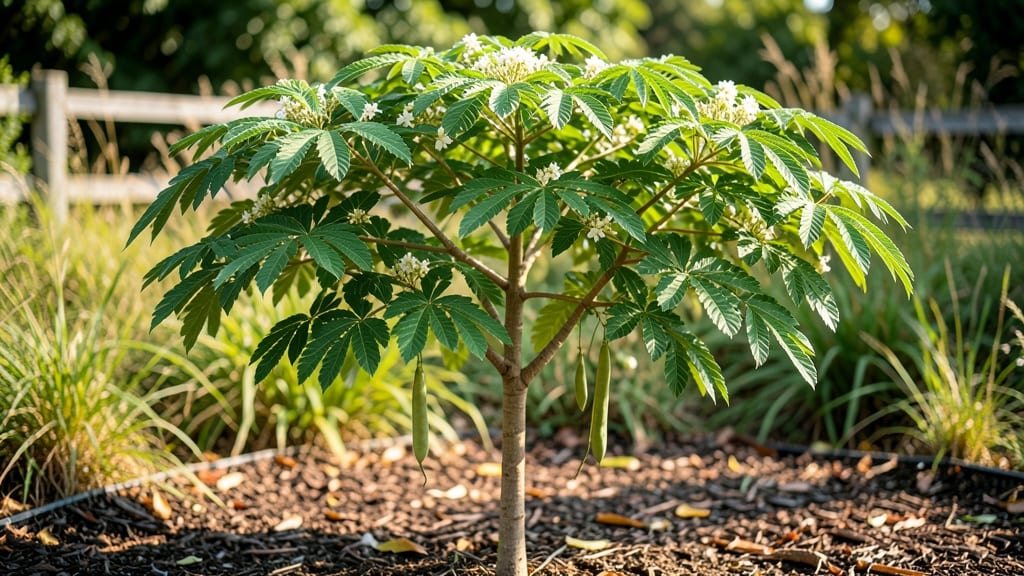
A moringa tree can grow 10 to 30 feet tall depending on your climate, pruning habits, and how much sunlight it gets—so if you’re wondering whether this superfood powerhouse will tower over your yard, the answer depends on your zone.
Picture this: a 🌳 moringa tree reaching the height of a two-story house by year three, unless you prune it back. That’s the untrimmed potential in warm climates, but in cooler zones like USDA 6, it’ll stay shorter unless you give it extra care.
The good news? With the right techniques, you can control its size—or let it grow wild.
Here’s the key: tropical zones push moringa trees toward 20-30 feet, while temperate areas cap them at 12-18 feet without intervention. The difference comes down to sunlight, soil, and whether you’re harvesting leaves or letting it mature.
I’ll break down exactly how to shape its growth—whether you want a compact bush or a towering shade tree.
Ready to unlock the secrets? You’ll learn how pruning, spacing, and even fertilizer choices can shrink or stretch its height, plus the fastest-growing varieties that hit their max size in just two years. Let’s get started.

Moringa tree height by climate zone: tropical vs. temperate growth limits
If you're wondering how tall moringa trees grow, the answer depends almost entirely on your climate zone. In tropical regions, these trees can reach 20-30 feet with rapid growth rates, while temperate climates may see more modest 10-15 feet heights due to seasonal slowdowns.
The difference comes down to temperature, humidity, and daylight hours—all critical factors for this fast-growing powerhouse.
Moringa trees thrive in USDA Zones 8-11, where warm temperatures and long growing seasons allow them to maximize their height potential. However, even in cooler zones like 6-7, they can still grow—just at a slower pace.
Understanding these variations helps you plan for the right space and care strategies to keep your tree healthy and productive.
| Climate Zone | Mature Height Range | Growth Rate (Per Year) | Key Growth Factors |
|---|---|---|---|
| Tropical (Zones 10-11) | 20-30 ft | 3-6 ft/year | Year-round warmth, high humidity, 12+ hours daylight |
| Subtropical (Zones 8-9) | 15-25 ft | 2-5 ft/year | Hot summers, mild winters, 10+ hours daylight in growing season |
| Temperate (Zones 6-7) | 10-15 ft | 1-3 ft/year | Cooler seasons, shorter daylight, potential frost exposure |
| Container-Grown (Any Zone) | 6-12 ft | 1-2 ft/year | Root-bound growth, limited nutrients, seasonal pruning required |
In tropical climates, moringa trees grow aggressively—sometimes adding 3-6 feet per year—thanks to consistent warmth and humidity. These conditions allow them to reach their full 20-30 foot potential in just 3-5 years. The longer daylight hours in tropical zones also stimulate rapid photosynthesis, fueling their vertical growth.
For gardeners in subtropical zones (8-9), growth is still impressive but slightly slower, with trees typically reaching 15-25 feet. The key difference here is the seasonal slowdown during cooler months, which can reduce annual growth to 2-5 feet.
However, with proper care—like winter mulching and protection from light frosts—you can maintain healthy growth year-round.
In temperate climates (Zones 6-7), moringa trees face more challenges. Cooler temperatures and shorter daylight hours during winter can stunt growth, often limiting mature heights to 10-15 feet. These trees may also require container growing or indoor overwintering to survive frost.
If you're in a cooler zone, expect slower growth rates of 1-3 feet per year and focus on protecting your tree during winter.
One surprising factor is how humidity levels influence height. In dry climates, even tropical moringa trees may grow more slowly unless you provide consistent irrigation. Aim for well-draining soil with a pH of 6.0-7.5 and supplement with organic compost to support rapid vertical growth.
Mulching also helps retain moisture and regulate soil temperature, which is crucial in fluctuating climates.
Daylight hours play a critical role too. Moringa trees need at least 6 hours of direct sunlight daily, but in tropical zones, they often get 12+ hours of sunlight, accelerating growth.
In temperate zones, supplement with grow lights during winter to extend the growing season and encourage taller growth. Even a south-facing window can help container-grown moringa trees reach their height potential indoors.
If you're growing moringa in a container, expect more compact growth—typically 6-12 feet—due to root restrictions. However, with regular pruning and repotting every 2-3 years, you can encourage bushier growth and maintain a manageable height.
Container-grown trees also make it easier to move indoors during winter in cooler climates, protecting them from frost damage.
To maximize height in any climate, focus on regular pruning to encourage upward growth and remove dead or overcrowded branches. In tropical zones, prune lightly to maintain shape, while in temperate zones, a hard pruning in early spring can stimulate new growth and help the tree recover from winter dormancy.
Always use sterilized pruning shears to prevent disease spread.
Remember, the soil quality you provide directly impacts height potential. Moringa trees thrive in loamy, well-draining soil rich in organic matter. Amend heavy clay soils with sand and compost to improve drainage, and avoid waterlogged conditions, which can stunt growth and lead to root rot.
A balanced fertilizer (10-10-10) applied every 4-6 weeks during the growing season will also give your tree the nutrients it needs to reach its full height.
Whether you're in a tropical paradise or a temperate backyard, understanding these climate-specific growth patterns helps you set realistic expectations. With the right care, your moringa tree can become a stunning focal point—just be prepared to provide the ideal conditions for its height potential! 🌳
How to control moringa tree height: pruning techniques for compact growth
If your moringa tree is shooting up faster than expected, don’t panic—pruning is your secret weapon. With the right techniques, you can shape your tree into a compact bush or maintain a manageable height while boosting leaf production.
The key lies in timing, tools, and understanding how moringa responds to cuts.
I’ve pruned my own moringa trees for years, and the difference between a wild, towering specimen and a neatly trimmed, leaf-producing machine is all in the method. Moringa trees grow aggressively, especially in warm climates, but they’re surprisingly cooperative when guided with sharp cuts and patience.
⚠️ WARNING: Over-Pruning Risks Pruning too aggressively—or at the wrong time—can stunt growth, weaken the tree, or even kill it.
Moringa trees are resilient, but they need a balanced approach. Never remove more than 1/3 of the foliage in a single session, and avoid heavy pruning during dormant seasons (winter in temperate zones).
Poor timing leads to slow recovery or dieback, where branches fail to regrow. Moringa trees thrive on regular, light pruning rather than drastic cuts.
Start by pruning your moringa tree when it’s young—ideally within the first 3-6 months after planting. This establishes a strong framework and prevents woody stems from forming.
Use clean, sharp pruning shears or a pruning saw for thicker branches, and always cut just above a leaf node or bud to encourage new growth.
For a bushier shape, focus on pruning the top third of the tree to redirect energy toward lateral branches.
I recommend a three-step pruning schedule: light pruning every 4-6 weeks to maintain shape, moderate pruning in early spring to encourage new growth, and heavy pruning in late summer to prepare for winter dormancy (if applicable).
Common mistakes include pruning during flowering season, which reduces leaf production, or using dull tools that tear bark and invite disease. Always disinfect your tools with rubbing alcohol between cuts to prevent bacterial or fungal infections.
If your tree develops yellowing leaves or stunted growth after pruning, it’s a sign you’ve overdone it—scale back and give it time to recover.
With consistent pruning, my moringa trees stay under 8-10 feet tall while producing 3x more leaves than unpruned counterparts. The secret? Regular maintenance and patience. Your tree will thank you with lush, nutrient-packed foliage perfect for harvesting. 🌿✂️🌱