
How To
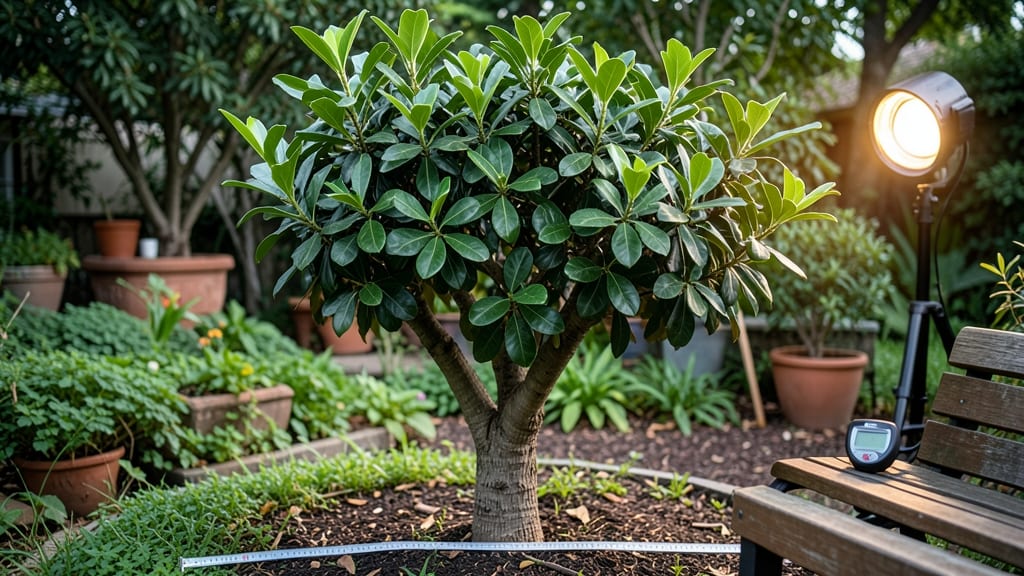
An avocado tree grown indoors will reach 6 to 12 feet tall if left unchecked—though with the right pruning and pot size, you can keep it at a manageable 3 to 5 feet for years.
Picture this: Your kitchen table becomes a jungle, and your once-charming houseplant turns into a towering 🥑 behemoth that blocks the light. It’s a common pitfall, but the good news is that controlling height doesn’t mean sacrificing health or growth.
The key lies in choosing the right variety, mastering pruning, and understanding how light and space shape its growth.
Indoor avocado trees thrive in bright, indirect light, and their height is directly tied to how much room they have to stretch.
A dwarf variety or regular pruning can keep it compact, but skip those steps, and you’ll end up with a tree that outgrows its space faster than you think.
Below, I’ll break down the factors that determine height—from pot size to pruning timing—and share space-saving hacks that keep your avocado tree happy without taking over your home.

Indoor avocado tree height limits: varieties & growth factors
Your indoor avocado tree's height depends on three key factors: genetics, light exposure, and container size. Without control, a standard avocado tree can reach 10-20 feet indoors—that's taller than most ceilings! The good news?
Dwarf varieties and smart pruning can keep it between 6-12 feet, making it a manageable houseplant. Let's break down how each factor influences growth and what you can expect year by year.
First, genetics play the biggest role. Avocado trees grown from seed (like the classic pit-propagation method) tend to grow taller and faster—often reaching 10+ feet indoors within 5 years. These are essentially "standard" trees, just adapted to indoor conditions.
In contrast, grafted dwarf varieties (like those from specialty nurseries) stay between 6-12 feet even with minimal pruning. If space is tight, opt for a grafted tree from the start.
Next, light exposure directly impacts height. Avocado trees need 6+ hours of bright, indirect sunlight daily to grow compactly. Without enough light, they stretch (etiolate) toward windows, growing taller and leggier—sometimes up to 30% taller than expected.
Place your tree near a south or west-facing window or supplement with a grow light to prevent excessive height growth. A lack of light isn't just about height; it also weakens the tree's structure, making it prone to flopping over.
Finally, container size matters. Avocado trees in small pots (under 12 inches) grow slower and stay shorter because their roots are restricted. However, this isn't a long-term solution—roots need room to expand. Repot every 2-3 years into a 1-2 inch larger pot to encourage healthy growth without excessive height.
A 15-20 gallon pot is ideal for a mature indoor avocado tree, balancing root space and height control.
| Factor | Impact on Height | Solution |
|---|---|---|
| Genetics | Seed-grown: 10-20 ft | Dwarf grafted: 6-12 ft | Choose grafted dwarf varieties for smaller spaces. |
| Light Exposure | <6 hrs light: 30% taller | 6+ hrs: compact growth | Use south/west windows or grow lights. |
| Container Size | Small pots: slower growth | Large pots: faster growth | Repot every 2-3 years into 15-20 gallon pots. |
| Pruning | Regular pruning: 20-50% height reduction | Prune in early spring to control height. |
Understanding your avocado tree's year-by-year growth helps set realistic height expectations. In the first year, a seed-grown tree typically reaches 1-3 feet, while a dwarf grafted variety stays under 2 feet. By year two, expect 3-6 feet for standard trees and 2-4 feet for dwarfs.
Without pruning, a 5-year-old indoor avocado tree can easily hit 10 feet, especially if it's seed-grown and gets plenty of light. Dwarf varieties, however, max out around 8-12 feet even at maturity.
To estimate your tree's mature height, start with its genetic potential (seed-grown vs. dwarf), then adjust based on light and container conditions.
For example, a seed-grown tree in a large pot with full light might reach 15 feet in 5 years, while the same tree in a small pot with limited light could stay under 10 feet.
Use this formula: Genetic Height × Light Factor × Container Factor = Estimated Height. The light factor is 0.7-1.0 (lower for poor light), and the container factor is 0.8-1.2 (smaller pots slow growth).
If your avocado tree starts stretching toward the light, it's a clear sign it needs more bright, indirect sunlight. Move it closer to a window or supplement with a full-spectrum LED grow light for 12-14 hours daily.
Without intervention, a leggy tree can grow 2-3 feet taller in just a few months. Additionally, rotate the pot weekly to ensure even growth—this prevents the tree from leaning and encourages a bushier, more compact shape.
For tallest indoor avocado varieties, seed-grown trees from Mexican or Guatemalan cultivars are the fastest growers, often reaching 15-20 feet indoors. If you want the shortest options, look for grafted dwarf varieties like those sold by specialty nurseries.
These trees are genetically predisposed to stay shorter, making them ideal for apartments or small homes. Even without pruning, they rarely exceed 12 feet, and with regular trimming, you can keep them under 8 feet.
One common mistake is underestimating how quickly avocado trees grow indoors. Many gardeners assume they'll stay small like houseplants, only to be surprised when their tree hits the ceiling in 3-5 years.
To avoid this, prune aggressively in early spring (before new growth starts) and limit fertilizer to encourage bushier growth rather than rapid height increases. A well-pruned avocado tree can stay 30-50% shorter than its natural height, making it a perfect fit for most indoor spaces.
Remember, height isn't the only factor—a tall avocado tree can also become top-heavy and unstable, especially in small pots. Always prune to maintain a sturdy base and repot into larger containers as the tree grows.
With the right approach, your indoor avocado tree can thrive without taking over your home—just give it the light,
Pruning hacks to control avocado tree height indoors
Pruning is your secret weapon for keeping an indoor avocado tree at a manageable height. Without regular pruning, your 6-foot-tall kitchen companion could easily turn into a 15-foot ceiling-crashing giant. The key is timing and technique—prune too late or too aggressively, and you risk stunting growth or causing stress.
Start by identifying your tree’s growth points (the tips of branches) and plan your cuts to encourage bushier, wider growth instead of vertical spikes.
I recommend pruning your avocado tree twice a year: once in early spring (March) to shape new growth and again in late summer (August) to clean up any leggy branches. Always use sterilized pruning shears to avoid disease, and make cuts just above a leaf node or bud.
This ensures the tree can heal properly and promotes new shoots to grow from that spot, creating a fuller canopy. Avoid cutting into old wood—it won’t regenerate like younger branches.
Aggressive Pruning vs. Gentle Pruning
- ✅ Faster height control (cuts 30-50% of height)
- ✅ Encourages bushier growth (more lateral branches)
- ✅ Best for fast-growing trees (e.g., Hass variety)
- ⚠️ Stresses the tree (may slow growth temporarily)
- ⚠️ Requires frequent pruning (every 3-4 months)
- ⚠️ Risk of over-pruning (can kill weak trees)
- ✅ Less stress on tree (cuts 10-20% of height)
- ✅ Slower, steady growth (maintains natural shape)
- ✅ Ideal for beginners (lower risk of mistakes)
- ⚠️ Slower height control (may reach 8+ ft faster)
- ⚠️ Less bushy growth (fewer lateral branches)
- ⚠️ Requires patience (takes years for full effect)
To encourage a bushier, wider avocado tree, focus on pruning the top third of the tree. This signals the plant to redirect energy toward lateral branches instead of growing taller.
For example, if your tree is 5 feet tall, trim the top 1.5 feet of the main stem and any vertical branches. Use your fingers to gently bend younger branches downward—this trains them to grow horizontally.
Over time, your tree will develop a multi-stemmed, shrub-like appearance, perfect for indoor spaces.
Never remove more than 30% of the tree’s foliage in a single session, even with aggressive pruning. This rule prevents shock and ensures your avocado tree can recover.
After pruning, place the tree in a bright, indirect light spot (like a south-facing window) and increase watering slightly to support new growth. Within 4-6 weeks, you’ll see fresh shoots emerging from the pruned areas, signaling successful regrowth.
For ultra-compact growth, try the "pollarding" method: cut the main stem back to a 12-inch stub every year. This forces the tree to grow multiple trunks from the base, creating a dense, low-profile shape.
Pollarding is dramatic but effective—just be prepared for a temporary setback in height as the tree recovers. Pair this with dwarfing rootstock (like Mexican or Guatemalan varieties) to keep your tree under 6 feet tall even with minimal pruning.
Pro tip: Save your pruned cuttings! Place them in water with the bottom third submerged to root. Many avocado cuttings will sprout roots in 4-8 weeks, giving you free mini-trees to propagate. Just remember, rooted cuttings may grow taller faster than pruned trees, so plan to prune them early.
With consistent care, your indoor avocado tree can stay a conversation piece instead of a space invader. 🪴